
HMRC Taps AI Tech to Combat Tax Fraud

UK tax authority HMRC awards £175m contract to Quantexa for AI-powered fraud detection and tax error identification system.
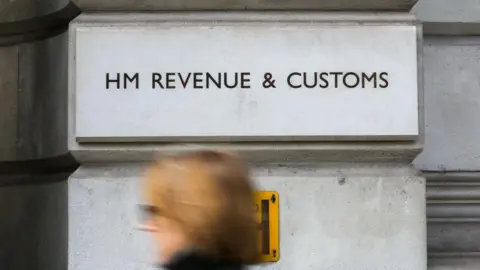
The UK's Revenue and Customs authority has made a significant investment in artificial intelligence technology to enhance its ability to detect fraudulent activities and identify errors in tax submissions. Quantexa, a prominent British financial data platform specializing in risk intelligence solutions, has secured a substantial £175 million contract with HMRC to implement cutting-edge AI systems that will streamline tax compliance across the nation. This strategic partnership represents a major step forward in modernizing the UK's tax administration infrastructure and improving the accuracy of revenue collection.
The contract award underscores the growing recognition within government institutions that advanced AI technology is essential for combating tax evasion and improving fiscal oversight. Quantexa's platform utilizes sophisticated machine learning algorithms and data analytics capabilities to process vast amounts of financial information, enabling tax authorities to identify suspicious patterns and anomalies that might otherwise go undetected. By automating the detection process, the system can handle an unprecedented volume of tax returns and financial transactions, allowing HMRC to allocate resources more effectively toward high-risk cases and investigations.
The financial commitment of £175 million reflects the scale and complexity of implementing comprehensive AI fraud detection systems across the entire UK tax administration. This investment will support the development and deployment of advanced algorithms capable of learning from historical data about fraudulent schemes, enabling the system to adapt and improve its detection capabilities over time. The implementation of such technology is expected to yield substantial returns through increased tax recovery and reduced losses from fraudulent activity, potentially offsetting the initial investment within a relatively short timeframe.
Quantexa's expertise in financial data intelligence made it the ideal candidate for this critical contract. The company has built its reputation on helping financial institutions, law enforcement agencies, and government bodies detect complex fraud patterns and financial crimes through advanced data analytics. Their platform excels at synthesizing information from multiple sources and creating comprehensive risk profiles that highlight individuals and organizations engaged in suspicious financial activities. The selection of Quantexa over competing bidders demonstrates confidence in the company's technical capabilities and track record of delivering results in high-stakes compliance environments.
The implementation of AI-powered fraud detection within HMRC addresses a persistent challenge facing tax authorities worldwide: the sheer volume of submissions that must be reviewed combined with the increasingly sophisticated methods employed by tax evaders. Traditional manual review processes are inherently limited in their capacity and efficiency, making them vulnerable to missing deliberate attempts to conceal income or inflate deductions. Machine learning algorithms can analyze patterns across millions of transactions simultaneously, identifying relationships and anomalies that would be virtually impossible for human reviewers to spot without technological assistance.
This initiative also reflects broader government efforts to modernize public sector operations and improve the effectiveness of tax collection systems. As tax codes become increasingly complex and financial transactions grow more sophisticated, digital transformation and AI integration have become critical priorities for revenue authorities. Countries across Europe and beyond have similarly invested in AI-driven compliance systems, recognizing that technological advancement is essential for maintaining the integrity of their tax systems and ensuring fair compliance across all taxpayers.

The benefits of implementing Quantexa's AI system extend beyond mere fraud detection. The platform will also serve as a valuable tool for identifying innocent errors in tax returns, allowing HMRC to assist taxpayers in correcting mistakes before they become subject to penalties or enforcement actions. This dual functionality enhances both compliance and public trust in the tax system, as it demonstrates a commitment to accuracy and fairness alongside stringent oversight of deliberate tax avoidance schemes. By distinguishing between honest mistakes and intentional fraud, HMRC can adopt a more nuanced and proportionate approach to enforcement.
The successful deployment of this AI system will likely set a precedent for other government agencies and tax authorities seeking to enhance their operational efficiency. AI-powered compliance systems have the potential to revolutionize how governments approach tax administration, shifting from reactive enforcement to proactive identification of risk factors. The data and insights generated by Quantexa's platform will provide HMRC with unprecedented visibility into tax compliance trends and emerging schemes, enabling policy makers to anticipate and address new forms of tax avoidance before they become widespread problems.
Implementation of such a large-scale technology project will require careful coordination between HMRC and Quantexa to ensure seamless integration with existing systems and processes. The transition period will be critical in establishing protocols for how the AI system's recommendations are reviewed, validated, and acted upon by human investigators. Effective AI implementation in government requires balancing automation with human oversight to ensure accuracy, fairness, and accountability in enforcement decisions that may have significant consequences for taxpayers.

The contract also raises important questions about data privacy and security, given the sensitive nature of tax information that will be processed by the system. HMRC will need to implement robust safeguards to protect taxpayer data from unauthorized access or misuse, ensuring that the deployment of AI technology does not compromise the confidentiality of personal financial information. Compliance with data protection regulations, including the UK's Data Protection Act, will be essential throughout the system's operation and any future updates or enhancements.
Looking forward, the success of this partnership between HMRC and Quantexa could influence how other branches of the UK government approach technology adoption and digital transformation. If the AI system delivers on its promise to significantly improve fraud detection and tax error identification, it may catalyze broader investment in artificial intelligence solutions across public administration. The financial sector, regulatory agencies, and other government bodies may accelerate their own AI initiatives based on the demonstrated effectiveness and return on investment demonstrated by this high-profile implementation.
The £175 million investment in AI fraud detection technology represents a strategic commitment to strengthening the UK's tax system and ensuring its long-term sustainability. As the government faces ongoing pressures to maximize revenue collection and minimize fraud losses, technological solutions like Quantexa's platform offer practical and scalable approaches to these persistent challenges. By leveraging the capabilities of artificial intelligence and machine learning, HMRC can work more effectively to create a fairer, more efficient, and more robust tax administration system that serves the interests of both government and taxpayers alike.
Source: BBC News


