
House Republicans Shelve Iran War Powers Vote

House Republicans cancel war powers resolution vote on Iran conflict, signaling waning congressional support for Trump's military involvement.
In a significant political maneuver Thursday, House Republicans canceled a scheduled vote on a war powers resolution that sought to terminate American military involvement in Iran. The move represented a strategic retreat designed to shield the Trump administration from a potentially embarrassing legislative defeat, while simultaneously underscoring the eroding consensus within Congress regarding the administration's foreign policy objectives in the Middle East region.
The congressional action on the resolution would have likely succeeded had lawmakers proceeded with the scheduled vote, according to political analysts and senior congressional aides familiar with the legislative dynamics. This reality forced Republican leadership to make the difficult decision to postpone the measure rather than risk a visible defeat that could weaken the president's standing on national security matters. The cancellation itself has become emblematic of broader shifts in how members of both parties view America's military commitments abroad.
The Iran conflict has emerged as an increasingly contentious issue within the Republican caucus, with growing numbers of conservative and libertarian-leaning members questioning the justification and duration of American military involvement. This internal party division has complicated leadership's ability to maintain unified support for executive branch foreign policy decisions. The tension reflects deeper ideological fractures within the party regarding America's global role and the appropriate scope of presidential war powers.
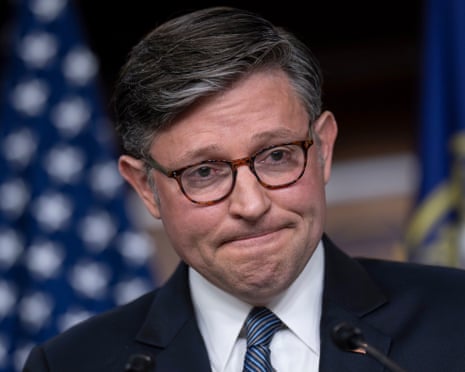
The resolution vote cancellation demonstrates how congressional support for the administration's military operations has noticeably diminished over recent months. What once appeared to be solid Republican backing for executive war powers has fractured into competing factions, with some members increasingly vocal about constitutional concerns and others questioning the strategic wisdom of continued military operations. This shift reflects constituent pressure, evolving public opinion, and genuine policy disagreements within the party ranks.
Democratic critics have seized on the canceled vote as evidence that the Trump administration cannot defend its military policies in open legislative debate. Party leaders have characterized the cancellation as a tacit admission that the US war in Iran lacks sufficient congressional and public support to withstand scrutiny. The Democratic response has underscored partisan divisions on foreign policy matters that threaten to complicate any future administration attempts to secure congressional approval for military operations.
Constitutional scholars have noted that the war powers resolution represents a fundamental question about the separation of powers between the executive and legislative branches. The measure would have invoked provisions of the War Powers Resolution of 1973, which requires presidents to notify Congress within 48 hours of initiating military action and prohibits armed forces from remaining engaged in military operations for more than 60 days without congressional authorization. The resolution's threatened passage highlighted ongoing debate about presidential authority over military decisions.
Senior Republican leaders had worked behind the scenes to prevent the vote from proceeding, recognizing that public support for continued military operations had eroded significantly. Polling data presented to congressional offices showed declining public approval for the military campaign, particularly among younger voters and independent-minded Republicans who prioritize fiscal conservatism. This demographic reality forced the party apparatus to recalculate its strategic approach to managing the foreign policy debate.
The Trump administration's position on the Iran conflict has remained relatively consistent, with national security advisors arguing that American military presence serves vital national interests and deters regional aggression. However, the administration's inability to secure a congressional vote in its favor highlighted the disconnect between executive branch confidence and legislative branch skepticism regarding the conflict's necessity and scope. This divergence has created policy implementation challenges for military planners tasked with executing long-term strategic objectives.
International observers have viewed the congressional maneuver as a signal that American political consensus on military intervention continues to weaken following decades of Middle Eastern conflicts. Allies and adversaries alike are monitoring whether the United States government can maintain unified positions on national security matters, as legislative dysfunction potentially undermines American credibility in diplomatic and military spheres. The vote cancellation reverberates beyond domestic politics into complex international relations calculations.
Procedural experts note that canceling the vote represents a rare occurrence in congressional practice, as leadership typically allows votes to proceed even when outcomes are uncertain. The decision to prevent the measure from reaching the floor indicates the depth of concern within the Republican leadership structure about potential defeat. Such interventions are ordinarily reserved for measures perceived as existentially threatening to party interests or presidential authority.
The cancellation decision raises questions about future congressional action on war powers matters and whether similar resolutions might be introduced in coming legislative sessions. Some Democratic lawmakers have indicated plans to reintroduce comparable measures, potentially forcing another confrontation between branches of government. The strategic calculus around military policy authorization appears likely to remain contested terrain in congressional debates.
Looking forward, political observers expect continued pressure on the administration to justify its Iran military operations through either conventional Congressional authorization votes or sustained public explanation of strategic objectives. The vote cancellation, while avoiding immediate embarrassment, does not resolve underlying questions about the conflict's scope, duration, or constitutional authority. As 2026 approaches, American voters will likely weigh military and foreign policy positions heavily when evaluating candidates across the political spectrum.
Source: The Guardian


