
Republicans Draw Line at Trump's Ballroom Security Bill

Senate Republicans block $70bn homeland security bill over $1bn funding for Trump ballroom project. Key political standoff revealed.
In a significant political development that underscores emerging tensions within Republican ranks, the US Senate has indicated it will not advance a comprehensive $70 billion homeland security bill before the June 1 deadline, marking a rare moment of institutional pushback against presidential priorities. The legislative impasse centers on controversial provisions that have prompted key Republican lawmakers to draw a firm line on what they will and will not fund with taxpayer dollars, signaling potential fractures within party unity on spending matters.
The proposed legislation, originally designed to bolster resources for US Immigration and Customs Enforcement (ICE) and strengthen border patrol operations, has become entangled in disputes over security funding for a Trump White House ballroom project valued at approximately $1 billion. This contentious component has proven to be a major stumbling block for Senate Republicans, many of whom have expressed reservations about dedicating such substantial federal resources to what they view as a non-essential White House amenity rather than core immigration enforcement infrastructure.
Adding another layer of complexity to the negotiations, the bill also includes provisions for a controversial $1.8 billion anti-weaponization fund, which has drawn additional criticism from lawmakers concerned about both the scope and implementation of such an initiative. The combination of these disputed elements has created an untenable legislative situation that threatens to derail the entire package before the congressional recess period begins.
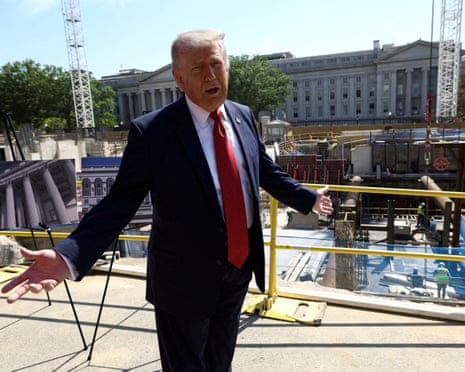
Republican senators confirmed to reporters on Thursday that the legislative timeline simply will not accommodate passage of the measure before lawmakers depart Washington for the Memorial Day recess. The confluence of competing priorities and fiscal concerns has created what many observers view as a defining moment in how the Republican-controlled Senate intends to exercise its constitutional authority over federal spending. This development is particularly noteworthy given the historical tendency of Republican lawmakers to largely align with White House spending requests.
The ballroom security provisions have emerged as the primary flashpoint in negotiations, with multiple Senate Republicans privately expressing discomfort with the optics of appropriating such substantial sums for what they characterize as luxury presidential accommodations. These lawmakers argue that such expenditures contradict their party's long-standing messaging about fiscal responsibility and judicious use of taxpayer funds. The political calculus appears to have shifted as senators weigh the political consequences of backing such funding against the potential backlash from constituents concerned about government waste.
The anti-weaponization fund component of the legislation has generated its own substantive debates among Senate Republicans regarding the appropriate scope and safeguards for such an initiative. Some lawmakers have raised questions about oversight mechanisms and whether the fund's structure adequately protects civil liberties and prevents potential abuse. These concerns, combined with the ballroom funding controversy, have created multiple pressure points that have proven difficult to resolve through standard legislative compromise and negotiation processes.
The $70 billion overall appropriation was intended to represent a comprehensive approach to homeland security challenges, with the majority of funds allocated toward traditional immigration enforcement activities. However, the inclusion of ancillary projects and controversial new initiatives has transformed what might have been routine legislation into a vehicle for broader policy disputes. This transformation illustrates how even significant spending packages can become derailed when bundled with unpopular or questionable provisions.
Sources within the Senate indicate that leadership from both within the Republican caucus and from the Trump administration have engaged in intensive discussions aimed at finding a resolution before the recess period. However, these negotiations appear to have reached an impasse, with key senators unwilling to move forward unless the contentious provisions are substantially modified or removed entirely. The breakdown in these negotiations suggests that some Republican lawmakers are willing to accept political costs rather than support what they view as wasteful spending.
The timing of this development carries additional significance, occurring just days before lawmakers disperse for the Memorial Day recess period when Congress traditionally focuses on constituent engagement and local events. The failure to advance the legislation before this break effectively delays any resolution until lawmakers return to Washington, extending the period of uncertainty regarding immigration enforcement funding and border security resources. This delay may prompt additional scrutiny from law enforcement agencies and border officials who have expressed urgent need for enhanced resources and equipment.
The political dynamics surrounding this legislative standoff reveal important shifts in how Republican lawmakers approach presidential spending priorities. Rather than demonstrating unqualified support for administration initiatives, Senate Republicans appear increasingly willing to exercise independent judgment regarding fiscal matters and departmental funding. This development challenges assumptions about party discipline and suggests that even in controlled legislative environments, institutional concerns about spending and fiscal prudence can override partisan loyalty.
As the June 1 deadline approaches without resolution, the prospects for advancing the homeland security legislation remain uncertain. Senate leadership will need to determine whether to pursue alternative approaches, such as stripping away the controversial provisions and advancing a more straightforward appropriations bill, or whether to pursue additional negotiations aimed at modifying the disputed components. The path forward will likely depend on whether Republican lawmakers view compromise as politically feasible given current public and constituent attitudes toward government spending and presidential preferences.
The broader implications of this legislative stalemate extend beyond the immediate appropriations dispute, potentially affecting how future spending proposals navigate the legislative process. If Republican lawmakers have indeed established clear parameters regarding which presidential initiatives they will and will not fund, this could reshape negotiations on subsequent spending bills and administrative requests. The emerging consensus that certain expenditures exceed reasonable bounds of fiscal responsibility may establish new precedents for how Congress evaluates homeland security spending and related appropriations requests moving forward.
Source: The Guardian


