
How Iran's War Boosted Ukraine's Military Position

Zelensky's Gulf visits reveal Ukraine's surprising military gains. Could these advances push Russia toward ceasefire negotiations?
The geopolitical landscape surrounding Ukraine has undergone a remarkable transformation, with unexpected developments emerging from the broader Middle Eastern conflicts. President Volodymyr Zelensky has embarked on strategic diplomatic missions throughout the Gulf region, showcasing Ukraine's enhanced military capabilities and technological advancements to key international players. These visits represent far more than routine diplomatic engagements—they signal a fundamental shift in how Ukraine projects power and influence on the world stage, particularly among energy-rich nations with significant geopolitical leverage.
Ukraine's strengthened position stems partly from its involvement in broader regional dynamics that have inadvertently benefited its military infrastructure and international standing. The Iran conflict and its reverberations have created unexpected opportunities for Ukrainian forces to demonstrate their combat effectiveness and technological prowess. Through various channels and international partnerships, Ukraine has gained access to advanced military technologies and expertise that have proven instrumental in its defense against Russian aggression. This phenomenon illustrates how regional conflicts can have cascading effects on distant battlefields, reshaping alliances and capabilities in unpredictable ways.
President Zelensky's strategic travels to Gulf states represent a calculated effort to solidify relationships with nations that control vast petroleum reserves and wield considerable influence in international affairs. During these high-profile visits, Ukrainian leadership has highlighted their country's military innovations and demonstrated competence in modern warfare scenarios. The messaging is clear: Ukraine is not merely surviving the Russian invasion but evolving into a more formidable military power capable of securing its own interests and contributing to regional stability. Such visits also serve to remind wealthy Gulf nations of Ukraine's strategic importance and its potential as a future partner in reconstruction and security matters.

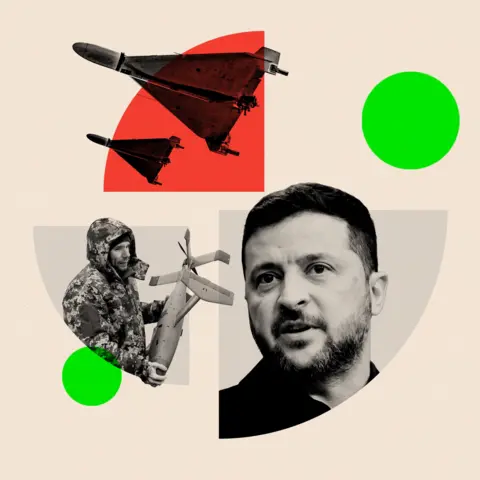
The military gains Ukraine has achieved deserve closer examination. Over the course of the ongoing conflict, Ukrainian forces have developed sophisticated drone technology, advanced cyber capabilities, and innovative tactical approaches that have surprised military analysts worldwide. The Ukraine military developments have been driven by necessity and resourcefulness, with engineers and scientists working around international sanctions and supply chain constraints. These innovations have not only proven effective against Russian forces but have also attracted significant international attention and admiration. Nations across the globe are studying Ukrainian tactics and requesting access to their technological solutions for their own defense needs.
The involvement of Iran in regional conflicts has, paradoxically, created a strategic space in which Ukraine could advance its interests. As international focus and military resources have been drawn toward Middle Eastern tensions, Ukraine has had opportunities to consolidate its gains and develop new capabilities with less direct Russian interference in certain sectors. Additionally, the geopolitical realignment caused by these conflicts has repositioned several nations' views on supporting Ukraine's defensive efforts. Countries that might have previously remained neutral have reassessed their strategic calculations, leading to increased military aid, intelligence sharing, and technological cooperation with Kyiv.
Ceasefire negotiations represent a complex and multifaceted challenge that extends far beyond simple military calculations. The possibility of moving toward negotiations has been influenced by several interconnected factors, including shifting international sentiment, evolving military dynamics on the ground, and changing assessments of long-term strategic viability. Ukraine's demonstrated military strength and international engagement send crucial signals to Russian leadership about the costs and limitations of pursuing military victory through conventional means. When an adversary believes that continued conflict will yield diminishing returns while facing a strengthened opponent with enhanced international backing, the calculus of war inevitably shifts toward considering negotiated settlements.
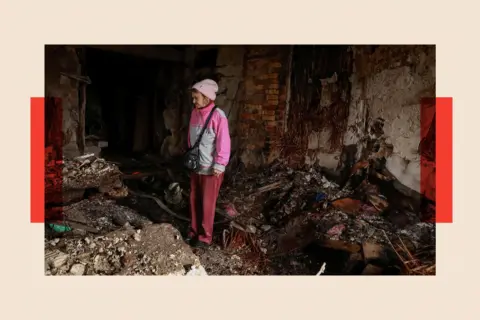
The Russia ceasefire prospects have become more realistic as Ukraine has proven its capacity to inflict significant losses on Russian forces while maintaining its territorial integrity and governmental continuity. The initial Russian assumption that Ukraine would quickly collapse has been thoroughly disproven, and alternative strategic narratives have begun emerging within Russian policy circles. Military analysts across multiple countries have noted that prolonged attrition increasingly favors the defender, particularly when that defender enjoys sustained international support and genuine domestic commitment to resistance. The economic costs of perpetual warfare have also weighed heavily on Russian calculations, particularly given the impact of international sanctions on its economy and military industrial capacity.
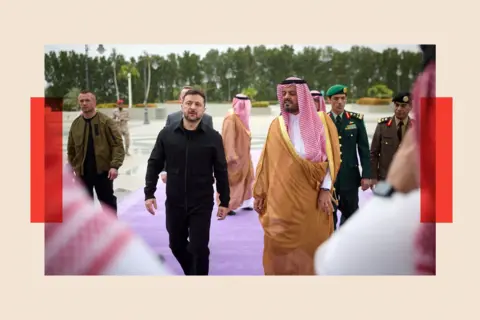
Zelensky's Gulf diplomacy serves multiple strategic purposes simultaneously. First, it diversifies Ukraine's international support network beyond traditional Western allies, reducing dependence on any single nation or regional power bloc. Second, it demonstrates to Russia that Ukraine commands respect and admiration across diverse political systems and cultures, not merely within the Western alliance. Third, these diplomatic engagements strengthen Ukraine's negotiating position by expanding its coalition of supporters and demonstrating that isolating Ukraine has become impossible. The Ukraine diplomatic strategy reflects sophisticated understanding of how modern great power politics operates, with smaller nations leveraging relationships across multiple blocs to maximize their agency and security.
The role of energy politics cannot be overlooked in understanding why Ukraine's strengthened position matters to Gulf nations. Ukraine controls important transit routes and possesses significant agricultural and mineral resources that become increasingly valuable in a post-conflict reconstruction scenario. Gulf states, despite their oil wealth, are sophisticated investors constantly seeking new opportunities for economic partnership and technological collaboration. Ukrainian expertise in certain sectors, combined with its geographic position connecting Europe and Asia, makes it an attractive partner for forward-thinking Gulf investors and policymakers. These practical economic considerations complement the strategic and political dimensions of Ukraine's diplomatic outreach.
Historical precedent suggests that when defending nations achieve military parity or superiority with aggressive powers, pathways toward negotiated settlements become more accessible. The dynamics of the Ukrainian conflict increasingly mirror this historical pattern, with each passing month demonstrating Ukraine's capacity to sustain its defense and gradually improve its military position. The psychological impact of these developments cannot be underestimated—when populations, leaders, and military establishments in an aggressor nation begin to doubt the viability of military victory, political pressure for diplomatic solutions naturally intensifies. Ukraine's strategic communications, including Zelensky's highly visible international engagements, contribute significantly to this psychological dimension of modern conflict.
Looking forward, the intersection of military realities, diplomatic initiatives, and international economic interests may indeed be converging toward conditions more favorable to serious negotiations. Ukraine's surprising military strengthening, combined with its expanding international diplomatic footprint, has fundamentally altered the conflict's trajectory. Peace negotiations Ukraine may no longer represent a capitulation to Russian demands but rather a potential settlement between two exhausted parties recognizing the diminishing utility of continued warfare. The question is not whether negotiations will eventually occur, but rather under what conditions and with what terms acceptable to Ukrainian sovereignty and security. Ukraine's recent strategic advances and Zelensky's diplomatic initiatives have positioned Kyiv to negotiate from a position of relative strength rather than desperation, a crucial distinction that could ultimately shape the nature and terms of any eventual settlement.
Source: BBC News


