
Humpback Whale Released After Stranding

Young humpback whale nicknamed Timmy or Hope released into North Sea after stranding near German coast. Experts warn survival chances remain low.
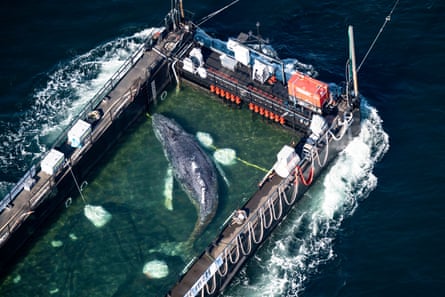
A young humpback whale that captured international attention after becoming stranded in shallow waters near the German coast has been released back into the ocean, marking the conclusion of an extensive and challenging rescue operation. The marine mammal, affectionately nicknamed both Timmy and Hope by supporters who followed its plight closely, was transported via a specially equipped water-filled barge to the North Sea off the coast of Denmark. However, despite the considerable efforts expended by rescue teams and the outpouring of public support, marine biologists and experts have expressed significant concerns about the animal's prospects for long-term survival in its natural habitat.
The whale stranding incident drew widespread media coverage and public interest across Europe and beyond, as concerned citizens monitored updates about the distressed marine animal's condition. The calf had become trapped in the shallow waters near the Baltic coast, a situation that presented immediate challenges for both the whale's health and the rescue teams attempting to assist it. The decision to undertake a rescue operation was made after careful consideration of the animal's deteriorating condition and the potential risks it faced remaining in the confined coastal waters where it had become stranded.
The rescue operation itself was a complex and logistically demanding undertaking that required coordination among multiple marine rescue organizations, veterinarians specializing in cetacean care, and local authorities along the German and Danish coasts. Specialists carefully monitored the whale's vital signs and physical condition throughout the process, ensuring that the transportation to deeper waters would not cause additional harm to the already-stressed animal. The use of a water-filled barge represented a sophisticated approach to safely relocating such a large marine creature without exposing it to the trauma of being hauled overland.

Despite the heroic efforts of the rescue teams, marine experts and cetacean specialists have been candid about the significant challenges that lie ahead for the young whale. The decision to release the animal, while deemed necessary by those involved, has been characterized by some professionals as inadvisable given the notably low probability of successful survival and adaptation. The calf faces numerous obstacles in its path to recovery, including the need to reorient itself to ocean navigation, locate food sources, and rejoin or establish social connections within whale populations.
The Baltic Sea stranding represents a broader concern within marine conservation communities regarding humpback whale populations and the environmental factors that may be driving these unusual coastal incidents. Scientists have been investigating the underlying causes that led to this particular animal's displacement from typical migration routes and deep ocean habitats into the shallow, confined waters where it was discovered. Such strandings, while not unprecedented, serve as indicators of potential ecosystem changes, migration pattern shifts, or other environmental stressors affecting marine wildlife populations.
The release of the whale into the North Sea marked a poignant moment for those who had invested emotional energy and professional expertise into the rescue effort. News of the release spread rapidly through social media and news outlets, with supporters expressing both hope and concern for the animal's future prospects. Many individuals and organizations that had followed the case closely took to online platforms to share their thoughts and well-wishes for the young marine mammal embarking on its journey back into the open ocean.
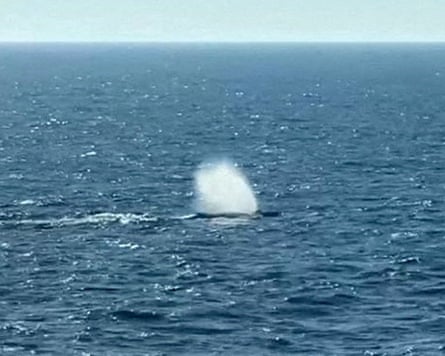
Marine biologists studying cetacean behavior and whale rescue operations have noted that outcomes for stranded marine mammals vary considerably depending on multiple factors including the animal's age, overall health status, duration of stranding, and the specific environmental conditions of the release location. Young whales that have been separated from their mothers face particular challenges in terms of learning essential survival skills and navigating the complex social hierarchies of whale pods. The transition from human care and the controlled environment of rescue operations back to the unpredictable and demanding conditions of the open ocean represents a critical and uncertain period for any rescued marine animal.
The international attention garnered by this specific rescue case has helped elevate broader awareness regarding marine conservation and the various threats facing whale populations in European waters and beyond. Organizations dedicated to marine mammal protection have used the incident as an opportunity to discuss larger ecosystem issues, including climate change impacts on ocean temperatures and food availability, shipping traffic concerns, and pollution in marine environments. These systemic challenges ultimately influence the likelihood of success for individual rescue operations and the long-term viability of wild whale populations.
As the released whale ventures into the vastness of the North Sea, researchers and marine experts continue to monitor information and any subsequent sightings that might emerge. The success of whale rescue efforts ultimately depends on the animal's ability to adapt, survive, and thrive in conditions dramatically different from those it experienced during its period of rescue and captive care. The coming weeks and months will provide insights into whether this particular rescue operation, despite its uncertain prognosis, results in a positive outcome for the young humpback whale that captured so many hearts worldwide.
The incident underscores the delicate balance that marine rescue professionals must navigate when responding to animal strandings, weighing the impulse to help suffering creatures against the realities of survival prospects and potential complications. While the Germany whale rescue represented a significant collective effort to save a marine animal in distress, it also serves as a reminder of the complexities inherent in wildlife rescue and the limitations of human intervention in natural systems. The ultimate legacy of this rescue operation will depend not only on whether this individual whale survives, but also on what it teaches us about protecting marine ecosystems and reducing the human-caused stressors that contribute to such incidents in the future.
Source: The Guardian


