
ICE Crackdown Devastates US Hospitality Jobs

Trump's immigration policies cause 98,000 hospitality job losses as ICE raids create fear among immigrant workers, major union reports.
The hospitality industry across the United States is experiencing unprecedented disruption as immigration enforcement policies under the Trump administration intensify, according to alarming new data from the nation's most prominent hospitality workers' union. The sector, which has long relied on immigrant workers as a cornerstone of its workforce, is now grappling with severe labor shortages and operational challenges that threaten the foundation of America's tourism economy. Industry analysts warn that the current trajectory could fundamentally reshape how hotels, restaurants, and tourism businesses operate nationwide.
Unite Here, representing approximately 300,000 workers throughout the hospitality, food service, and tourism sectors across the United States and Canada, has released comprehensive findings that paint a stark picture of industry decline. The union's latest analysis reveals that hospitality employment contracted by a staggering 98,000 positions between December 2024 and December 2025, marking one of the most significant workforce reductions in the sector's recent history. This dramatic decline represents far more than statistical fluctuation, reflecting a systematic disruption of an industry that employs millions of Americans and generates hundreds of billions in economic activity annually.
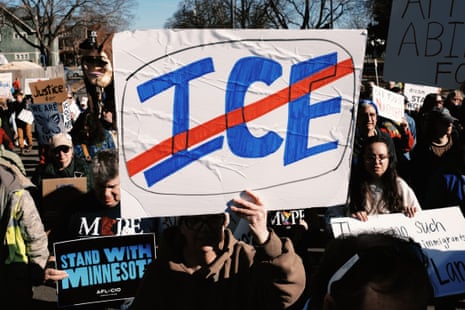
The ICE crackdown has created what union officials describe as a climate of fear that extends far beyond undocumented workers, affecting legal immigrants and even American-born employees who work alongside immigrant colleagues. Hotel housekeepers, restaurant staff, kitchen workers, and other essential hospitality personnel are increasingly reluctant to report to work, fearing potential encounters with immigration enforcement agents. This atmosphere of uncertainty has created operational nightmares for businesses that depend on consistent staffing levels to maintain service standards and meet customer expectations in an increasingly competitive marketplace.
Immigration enforcement raids at workplaces have become more frequent and visible, with ICE agents conducting operations at hotels, restaurants, and catering facilities across multiple states. These enforcement actions have not only removed workers from their positions but have also created ripple effects throughout entire establishments, as remaining employees grapple with increased workloads and persistent anxiety about their own job security. The psychological impact on workers has been profound, with many reporting sleepless nights and constant worry about their families' futures in America.
The demographic composition of the hospitality workforce makes it particularly vulnerable to immigration policy changes, with nearly one-third of all hospitality workers being immigrants according to industry data. This substantial representation means that any disruption to immigrant communities directly translates into significant operational challenges for hotels, restaurants, event venues, and tourism-related businesses. The interconnected nature of hospitality services means that labor shortages in one area often cascade throughout entire operations, affecting everything from guest services to food preparation and facility maintenance.
Tourism industry leaders are expressing growing concern about the long-term implications of the current immigration enforcement approach, warning that hospitality job losses could undermine America's competitiveness as a global travel destination. Hotel managers report difficulty maintaining housekeeping standards, while restaurant owners describe challenges in keeping kitchens fully staffed during peak service periods. Convention centers and event venues are struggling to provide adequate support services for large gatherings, potentially impacting the lucrative meetings and conferences sector that generates billions in economic activity annually.
The economic ramifications extend beyond individual businesses to entire regional economies that depend heavily on tourism and hospitality services. Cities and states that have built their economic development strategies around attracting visitors and hosting major events are now confronting the reality that workforce disruptions could undermine years of investment in tourism infrastructure. Local government officials in tourism-dependent communities are reporting concerns about declining tax revenues and reduced economic multiplier effects as hospitality businesses struggle to operate at full capacity.
Unite Here officials emphasize that the current situation represents more than a temporary adjustment period, arguing that the immigration crackdown is fundamentally altering the industry's ability to attract and retain workers. Union representatives point to specific examples of hotels reducing services, restaurants limiting operating hours, and catering companies declining contracts due to insufficient staffing levels. These operational limitations not only affect immediate business performance but also threaten the industry's reputation for reliability and service excellence that has been cultivated over decades.
The ripple effects of hospitality workforce disruptions are becoming apparent in related industries that depend on robust tourism and business travel sectors. Airlines, ground transportation services, retail establishments in tourist areas, and entertainment venues are all reporting secondary impacts as reduced hospitality capacity affects overall visitor experiences and travel patterns. Economic analysts warn that these interconnected effects could create a downward spiral that proves difficult to reverse even if immigration policies eventually change.
Small and medium-sized hospitality businesses appear to be disproportionately affected by the current immigration enforcement environment, as they often lack the resources and legal support systems available to larger corporate chains. Independent restaurants, boutique hotels, and family-owned catering operations are particularly vulnerable to sudden workforce disruptions, with many reporting that the loss of even a few key employees can threaten their ability to maintain operations. The entrepreneurial ecosystem that has long characterized the American hospitality industry faces unprecedented challenges as business owners struggle to navigate complex immigration compliance requirements while maintaining viable operations.
Industry associations and business groups are increasingly vocal about the need for comprehensive immigration reform that addresses the legitimate workforce needs of the hospitality sector while maintaining appropriate security measures. Hotel and restaurant trade organizations argue that the current approach fails to recognize the essential role that immigrant workers play in supporting American economic growth and competitiveness. They advocate for practical solutions that would provide legal pathways for workers to remain in their positions while ensuring proper documentation and compliance with federal regulations.
The international implications of America's hospitality industry struggles are also becoming apparent, as foreign visitors and business travelers begin to notice service disruptions and reduced capacity at hotels and restaurants. Tourism promotion organizations worry that negative experiences could damage America's reputation as a welcoming destination for international visitors, potentially affecting long-term tourism revenues and cultural exchange programs. The global hospitality industry is closely watching developments in the United States, as American tourism policies and practices often influence international standards and expectations.
Labor economists studying the hospitality sector emphasize that the current workforce disruptions reflect deeper structural issues within American immigration policy that extend far beyond enforcement mechanisms. The disconnect between economic demand for workers and available legal immigration pathways has created conditions where businesses become dependent on workers whose status remains precarious. Resolving these fundamental tensions will require policy approaches that acknowledge economic realities while addressing legitimate concerns about immigration system integrity and border security.
Looking ahead, industry leaders are calling for immediate policy interventions to stabilize the hospitality workforce while longer-term immigration reform efforts proceed through the political process. Proposed solutions include temporary work authorization programs, expanded guest worker visas, and enhanced cooperation between immigration authorities and business communities to develop practical enforcement approaches that don't devastate entire economic sectors. The urgency of these discussions reflects growing recognition that the current trajectory is unsustainable for both the hospitality industry and the broader American economy that depends on its success.
Source: The Guardian


