
Indigenous Leaders Slam Racist Booing at Anzac Day Services

Army captain condemns orchestrated booing of welcome to country ceremonies across Australia. Indigenous leaders call racism 'a cancer' amid coordinated disruptions.
Significant tensions emerged across Australia during Anzac Day commemorations, as Indigenous leaders expressed deep concern over coordinated disruptions that marred dawn service ceremonies in multiple major cities. The incidents, which unfolded simultaneously in Sydney, Melbourne, and Perth on Saturday morning, have reignited national conversations about respect, reconciliation, and the values that underpin the nation's most sacred military observance.
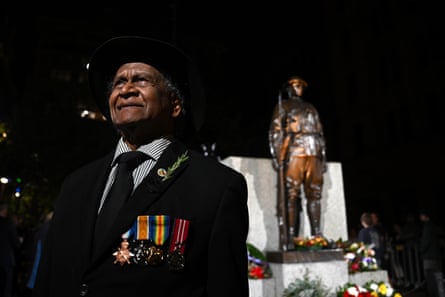
Uncle Jack Pearson, a decorated army captain with extensive military service, delivered a powerful response to the disruptions, characterizing the behavior as fundamentally at odds with the principles of Anzac Day itself. His statement carried particular weight given his own military background and standing within both the defense community and Indigenous circles. Pearson's comments reflected not merely personal disappointment but a broader concern about the erosion of values that Anzac Day is meant to uphold, including respect, mateship, and unity.
The welcome to country ceremonies, which have become an increasingly important part of Anzac Day observances across the nation, were deliberately targeted by organizers of the disruption. These acknowledgments of Indigenous peoples' connection to the land have grown in prominence as part of Australia's evolving understanding of reconciliation and national identity. The decision to specifically disrupt these moments rather than other elements of the service underscores the deliberate nature of the campaign.

According to reports, the organized booing campaign originated from Fight for Australia, the organization formerly operating under the name March for Australia. This rebranding itself tells a story about how such movements evolve and attempt to maintain public attention and support. The group's decision to coordinate disruptions across multiple cities simultaneously suggests a level of planning and organization that transformed what might otherwise have been isolated incidents into a deliberate political statement designed to generate media coverage and inflame national divisions.
Uncle Jack Pearson's characterization of racism as "a cancer" resonated powerfully with many Australians who view the booing incidents as symptomatic of a deeper societal problem that requires urgent attention. His use of medical terminology was particularly apt, suggesting that racism, left unchecked, spreads and damages the entire body politic. For a military figure to articulate this concern carries significance, as the armed forces have long represented a space where Australians from diverse backgrounds come together in service of a common cause.
The incidents occurred at ceremonies that hold profound significance for millions of Australians, commemorating the sacrifices made by military personnel throughout the nation's history. Anzac Day itself emerged from the experience of the Australian and New Zealand Army Corps at Gallipoli during World War I, and has evolved into a day of national reflection on the costs of conflict and the meaning of service. The timing of the disruptions—deliberately placed within these solemn ceremonies—made them particularly jarring and offensive to many attendees.
The booing incidents across multiple cities demonstrated coordination that raised questions about funding, organization, and motivations behind the campaign. In Sydney, Melbourne, and Perth, Indigenous speakers were interrupted at virtually the same time, suggesting centralized planning rather than spontaneous grassroots objection. This coordinated nature of the disruption contributed to the perception that the action represented a deliberate attempt to provoke controversy and divide the nation during a moment of collective remembrance.
Commentary from respected voices including Marcia Langton added important perspective to the unfolding situation. Langton, a prominent Indigenous academic and cultural figure, raised the provocative question of whether law enforcement and institutional authorities should apply the same standards to disruptive behavior at Anzac Day ceremonies as sports organizations like the Australian Football League apply to disruptive fans at matches. Her intervention suggested that existing mechanisms for maintaining order and civility at public events could be activated to prevent future disruptions.
The significance of welcome to country acknowledgments in contemporary Australia cannot be overstated. These speeches recognize the traditional custodianship of Indigenous peoples and represent an official, albeit symbolic, acknowledgment of historical injustices and ongoing relationships between Indigenous and non-Indigenous Australians. By specifically targeting these moments for disruption, the organizers of the booing campaign sent a clear message about their opposition to even these modest gestures of recognition and respect.
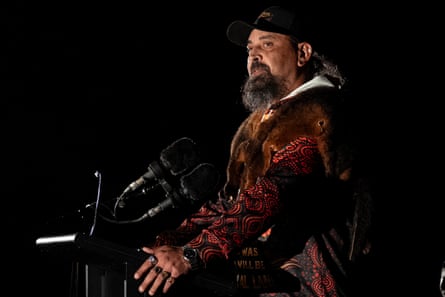
The participation of Ben Roberts-Smith, a decorated military figure, at a separate Gold Coast event added another layer of complexity to the day's proceedings. His presence and the fact that Indigenous speakers were booed at his event highlighted how the disruptions were not isolated to particular venues but represented a coordinated national campaign that transcended individual locations or personalities. The juxtaposition of military service and the rejection of Indigenous recognition created symbolic tensions that many observers found deeply troubling.
For Indigenous communities across Australia, the booing incidents represented more than simple rudeness or political disagreement. They constituted a public rejection of Indigenous peoples' place in the national narrative and a denial of their connection to the land and to the nation's military history. Many Indigenous Australians have served with distinction in the armed forces, and the booing of acknowledgment ceremonies felt like a personal affront to their contributions and their belonging.
The aftermath of the incidents saw significant discussion about the values that should guide public behavior and national discourse. Calls emerged for greater efforts to address underlying tensions and to foster genuine understanding between different communities. Questions were raised about whether existing laws around disruptive behavior at public events could be more effectively enforced, and whether media coverage of such incidents inadvertently amplified the message that organizers sought to broadcast.
The broader context of these incidents includes ongoing debates about national identity, reconciliation, and the proper way to acknowledge Australia's colonial history. These are questions that the nation continues to grapple with, and they were brought into sharp focus by the deliberate disruption of solemn commemorative ceremonies. For many observers, the incidents demonstrated how far some sections of society are willing to go to reject even symbolic gestures toward Indigenous recognition and respect.
Moving forward, the incidents have prompted reflection among organizers of Anzac Day ceremonies about how to maintain the dignity and solemnity of these occasions while managing the realities of public gatherings and political disagreement. Some venues have indicated they will implement stronger security measures and clearer protocols for addressing disruptive behavior. Others have suggested that the response should focus on dialogue and education rather than simply excluding voices from the conversation.
The words of Uncle Jack Pearson continue to resonate as a call for national examination of values and priorities. His characterization of racism as a cancer that must be confronted reflects the sentiment of many Australians who view the incidents not as isolated political theater but as symptoms of deeper divisions that require sustained attention and commitment to address. The coming weeks and months will reveal whether these troubling incidents catalyze meaningful national conversation or fade from public consciousness without generating substantive change.


