
InMusic Acquires Native Instruments

InMusic completes major acquisition of Native Instruments, consolidating industry power alongside Akai, Moog, and M-Audio under one corporation.
InMusic Brands has announced a transformative acquisition that significantly reshapes the music technology landscape. The company will acquire Native Instruments, the renowned Berlin-based software and hardware manufacturer, marking a pivotal consolidation in the digital music production industry. This strategic move positions InMusic as a dominant force in music creation tools, bringing together some of the most influential brands in the sector under a single corporate umbrella.
The acquisition represents a major shift in the competitive dynamics of music production software and hardware markets. Native Instruments has long been recognized as a pioneer in digital audio workstations, virtual instruments, and music production controllers. The company's flagship products, including Maschine, Komplete, and Traktor, have become industry standards used by professional producers, DJs, and musicians worldwide. By integrating Native Instruments into its portfolio, InMusic gains access to a vast ecosystem of creative tools that complement its existing offerings.
InMusic's existing roster already includes some of the music industry's most iconic and respected brands. Akai Professional remains one of the most recognizable names in hardware controllers and beat-making equipment, with products that have defined generations of hip-hop and electronic music production. The company also owns Moog, the legendary synthesizer manufacturer founded by Robert Moog himself, whose instruments have shaped modern music since the 1960s. Additionally, M-Audio, a pioneer in affordable audio interfaces and MIDI controllers, rounds out the impressive collection of music technology brands under InMusic's ownership.
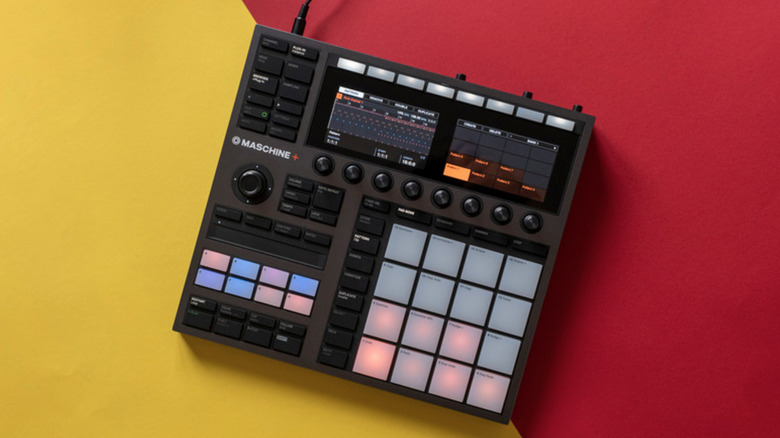
The consolidation of these brands creates what many industry observers are calling a music technology juggernaut. With Native Instruments now joining this powerhouse collection, InMusic can offer customers an unprecedented range of integrated solutions spanning hardware controllers, software instruments, synthesizers, and music production platforms. This integration has the potential to create synergies that benefit both professional musicians and hobbyists seeking comprehensive production solutions. The combination allows for potential cross-platform compatibility and bundled offerings that could reshape how musicians approach their craft.
Native Instruments brings substantial market value and an impressive catalog of products to the InMusic family. The company's software suites have become essential tools in modern music production, with millions of users relying on its instruments and effects plugins. Maschine, in particular, has revolutionized beat-making and sampling workflows, becoming a staple in studios and on stages worldwide. Traktor, the professional DJ software, has maintained strong adoption among electronic music professionals and enthusiasts. The acquisition ensures that these beloved products will continue to thrive while potentially benefiting from InMusic's distribution channels and resources.
This acquisition raises important questions about market consolidation in the music technology industry. With InMusic now controlling Akai, Moog, M-Audio, and Native Instruments, a significant portion of the professional music production market becomes centralized under one parent company. Some industry insiders suggest this concentration could enhance innovation through shared resources and research and development initiatives. Others express concerns about potential impacts on pricing, product differentiation, and the independent spirit that has historically characterized music technology development.
The deal also reflects broader trends in corporate consolidation across the music industry. Over the past decade, larger conglomerates have increasingly acquired independent music technology companies, seeking to build comprehensive ecosystems that appeal to musicians across different skill levels and genres. This mirrors consolidation patterns seen in other technology sectors, where companies seek to create integrated solutions that offer seamless user experiences. For consumers, the question becomes whether such consolidation drives innovation and value or diminishes competition and variety.
Looking forward, the integration of Native Instruments into InMusic's portfolio will likely result in significant product development opportunities. The company can leverage its existing relationships with hardware manufacturers and retailers to expand Native Instruments' distribution globally. Conversely, Native Instruments' software expertise could enhance the capabilities of Akai, Moog, and M-Audio products through improved digital integration and user interfaces. Cross-platform workflows that seamlessly connect hardware controllers with software instruments represent exciting possibilities for musicians using multiple InMusic products.
Music production professionals and enthusiasts have long debated whether consolidation in the industry benefits or harms innovation. The acquisition of Native Instruments by InMusic provides a real-world case study for evaluating these dynamics. Historical precedent suggests that such consolidations can occasionally lead to product cannibalization, where redundant offerings are discontinued to reduce overhead costs. However, the distinctive identities and user bases of Akai, Moog, M-Audio, and Native Instruments suggest room for coexistence rather than elimination.
The financial details surrounding the acquisition have not been fully disclosed publicly, though industry analysts have speculated about the substantial valuation Native Instruments commands in the market. The company has maintained profitability and steady growth despite increased competition from free and low-cost digital audio workstation alternatives. Its brand loyalty and the professional-grade quality of its products justify strong acquisition interest from well-capitalized buyers like InMusic.
The acquisition announcement will be closely watched by stakeholders throughout the music technology ecosystem. Independent developers, plugin creators, and smaller hardware manufacturers may view the consolidation with mixed feelings. While InMusic's expanded resources could benefit the broader industry through improved standards and increased innovation funding, smaller competitors may face increased pressure in gaining market share. The competitive landscape for music production tools continues to evolve rapidly, with emerging technologies like AI-powered music creation software presenting new challenges and opportunities for established players.
For musicians and producers, the immediate practical implications of the Native Instruments acquisition remain to be seen. Current customers can likely expect continued support and development of existing products, at least in the near term. However, strategic decisions about product roadmaps, pricing structures, and feature development will ultimately reflect InMusic's broader corporate strategy. The company has an opportunity to demonstrate whether consolidation enhances the creative experience for its customers or simply improves financial efficiency at the corporate level.
Source: Engadget


