
Inside Toyota's $10B Utopia: Woven City Revealed

Toyota's ambitious Woven City project launches with 100 handpicked residents. Explore what's happening inside the $10 billion experimental smart city built on a former factory.
At the 2020 Consumer Electronics Show, Toyota CEO Akio Toyoda unveiled an audacious vision that would reshape the company's future trajectory. Rather than remaining solely focused on automotive manufacturing, he announced plans to construct an entirely new kind of urban environment—a fully integrated smart city where researchers, engineers, and scientists could collaborate on breakthrough technologies under one roof. This ambitious declaration signaled Toyota's strategic pivot from a traditional car manufacturer to a comprehensive mobility solutions company capable of addressing the complex challenges facing modern urban centers.
The concept behind this futuristic urban development transcended typical corporate headquarters or research facilities. Instead, Toyota envisioned a living laboratory where the boundaries between work, residence, and innovation would dissolve entirely. By merging residential spaces with cutting-edge research capabilities, the company hoped to accelerate the development of autonomous vehicles, artificial intelligence systems, and sustainable urban infrastructure. This integrated approach would theoretically enable residents to test emerging technologies in real-world conditions while simultaneously refining innovations based on immediate feedback from actual daily use.
After nearly six years of meticulous planning, construction, and preparation, Toyota's revolutionary project reached a pivotal milestone. Six months ago, the company officially opened the gates to Woven City, a meticulously engineered micro-metropolis constructed on the grounds of a former Toyota manufacturing facility. The development reportedly consumed an estimated $10 billion in capital investment, representing one of the largest private infrastructure projects undertaken by an automotive manufacturer. This extraordinary financial commitment underscored Toyota's determination to establish itself as a technology and urban development pioneer, not merely a car producer.
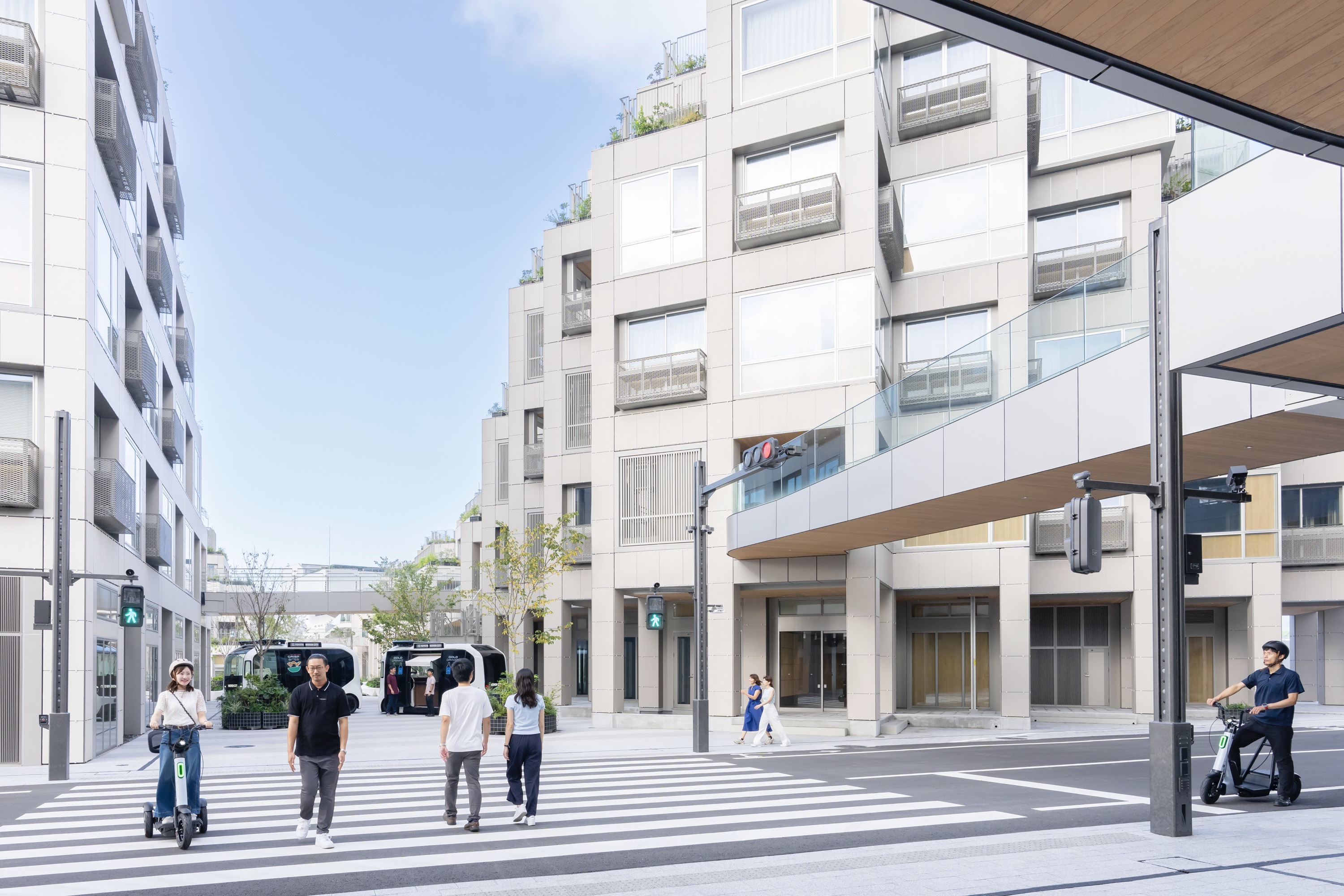
The initial population surge consisted of precisely 100 carefully selected residents, each chosen for their ability to contribute meaningfully to the city's experimental environment. These handpicked inhabitants, whom Toyota designated as "Weavers," represented a carefully curated mix of technologists, researchers, academics, and innovators. Their selection was far from random; each resident underwent rigorous vetting to ensure they possessed the expertise, creativity, and collaborative spirit necessary to thrive in such an unconventional living arrangement. The deliberate curation of this founding population reflected Toyota's strategic approach to building a community that could effectively serve as a proving ground for next-generation urban technologies.
The naming convention itself carries symbolic weight. By calling residents "Weavers," Toyota created a metaphorical framework suggesting interconnection, integration, and the interlinking of diverse ideas and disciplines. The term implies that these inaugural residents would literally weave together various strands of innovation—automotive technology, artificial intelligence, sustainable energy systems, and urban planning—into a cohesive whole. This linguistic choice revealed the company's aspirations for organic collaboration rather than siloed departmental work, suggesting a more holistic approach to technological development than traditional corporate structures typically allow.
A journalist from a major technology publication received rare access to visit this exclusive community in person, gaining unprecedented insight into how Toyota's vision was being translated into physical reality. The visit provided an opportunity to observe the daily operations, infrastructure systems, and innovative features that distinguished Woven City from conventional urban developments. Walking the streets of this purpose-built environment offered tangible perspective on whether Toyota's ambitious $10 billion investment was producing the transformative results the company had envisioned during that initial CES announcement.
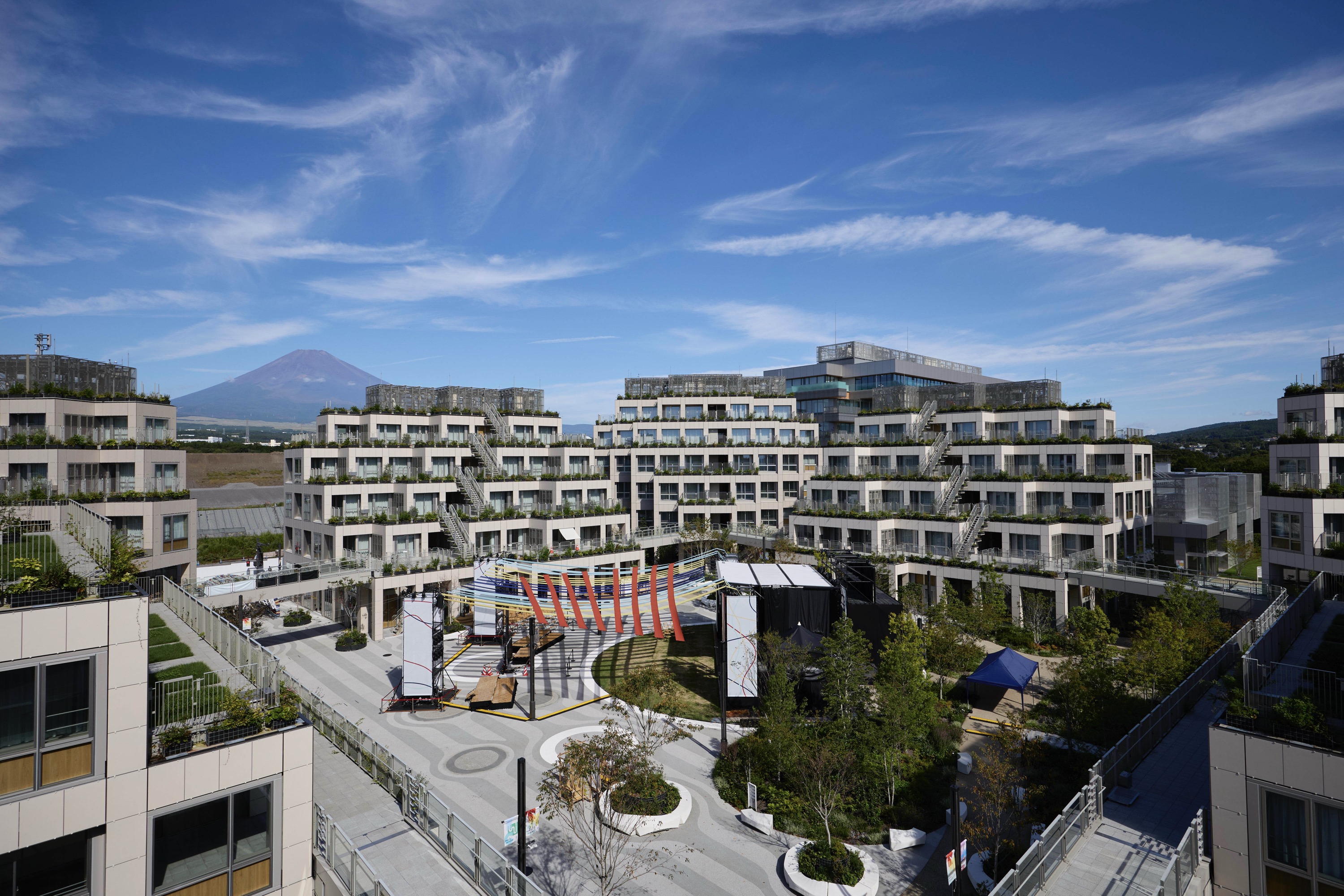
The physical design of Woven City reflects decades of urban planning theory combined with cutting-edge technological integration. Every street, building, and public space was engineered with specific functional purposes beyond mere aesthetics. Sensor networks embedded throughout the city continuously gather data on everything from pedestrian traffic patterns to air quality, vehicle movements to energy consumption. These sophisticated monitoring systems generate vast quantities of information that researchers can analyze to understand urban dynamics at granular levels previously impossible to achieve.
The sensor-laden infrastructure represents perhaps the most distinctive feature of Toyota's urban experiment. Unlike conventional cities that developed organically over centuries, Woven City was designed from inception with comprehensive technological integration. Cameras positioned throughout the environment capture detailed imagery of daily activities, while environmental sensors monitor conditions continuously. This extensive surveillance and data collection capability generates rich datasets that researchers can leverage to test autonomous vehicle navigation systems, optimize traffic flow algorithms, analyze pedestrian behavior patterns, and refine countless other technologies dependent on understanding real-world urban conditions.
Beyond the technological infrastructure, Woven City was designed to test innovative approaches to sustainable living. The development incorporates advanced waste management systems, renewable energy generation, water conservation technologies, and green building practices throughout. These sustainable features serve dual purposes: they reduce the environmental footprint of operations within the city while simultaneously generating valuable performance data on how such systems function in integrated urban environments. This commitment to environmental responsibility reflects broader corporate trends toward sustainability, while also positioning Toyota as a company genuinely concerned with long-term ecological impacts of urbanization.
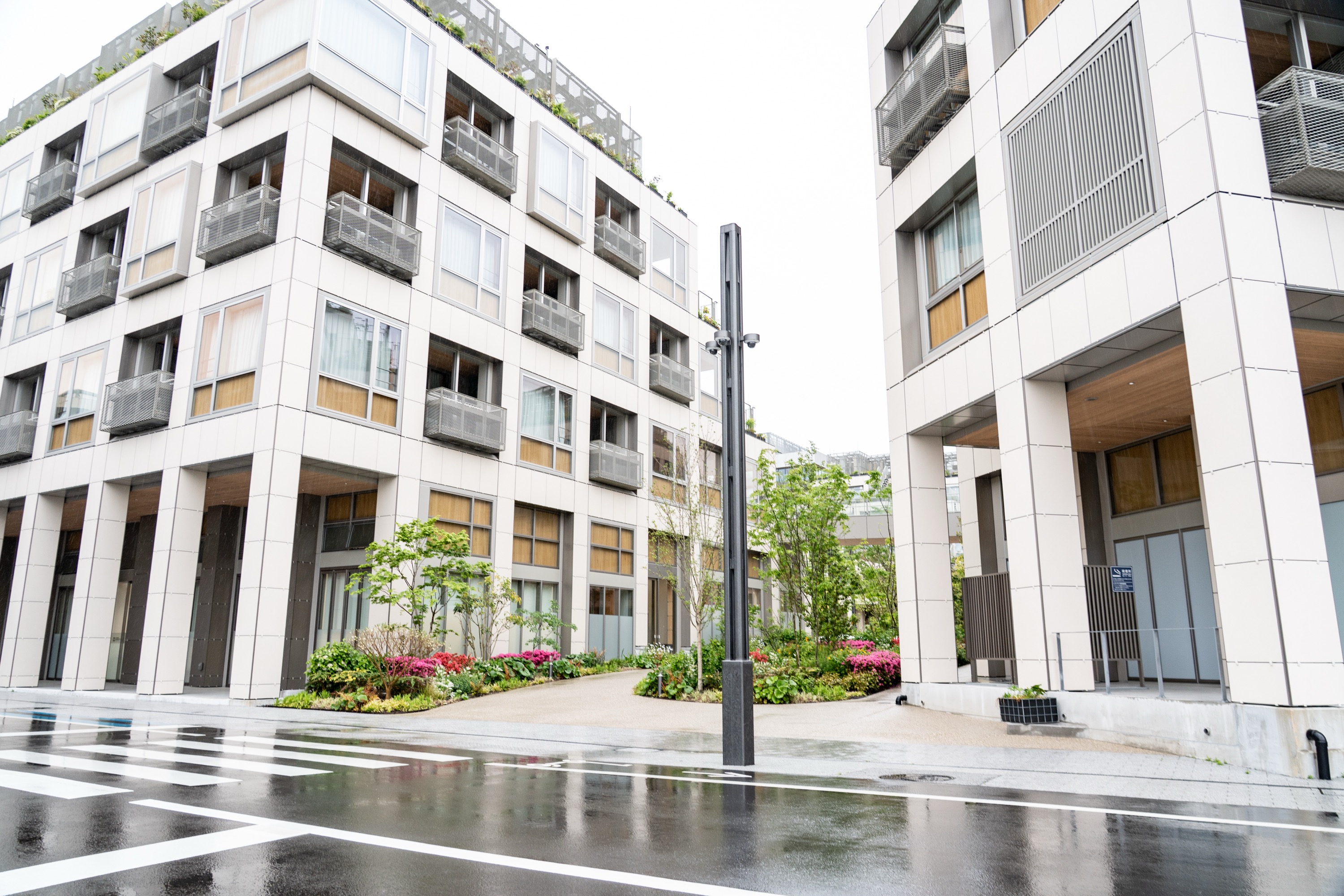
The restrictions on initial population size, while seemingly limiting, actually enhance Woven City's value as a research platform. With only 100 residents rather than thousands or millions, researchers can implement experimental policies, technologies, and systems that would be impractical or risky in larger populations. This controlled environment allows Toyota to test innovations incrementally, observe outcomes carefully, and adjust approaches based on direct evidence rather than theoretical projections. The manageable scale paradoxically makes Woven City more valuable as a testing ground than a full-sized city would be.
The resident selection process itself revealed much about Toyota's strategic priorities. Rather than randomly accepting applicants, the company invested significant effort in identifying individuals who combined technical expertise with collaborative temperament and innovative thinking. Some residents are Toyota engineers assigned to the facility, while others are external researchers, entrepreneurs, and technologists recruited from around the globe. This diverse composition was intentional, designed to expose Toyota's internal culture to external perspectives and prevent the insular thinking that large corporations can sometimes develop.
The first months of operation generated insights that would help guide the city's evolution. Early residents began working on concrete projects including autonomous vehicle testing on designated routes, artificial intelligence systems that learn from urban activity patterns, and connected infrastructure systems that communicate with each other to optimize resource allocation. These real-world tests provided invaluable feedback on how technologies perform in actual conditions rather than controlled laboratory environments.
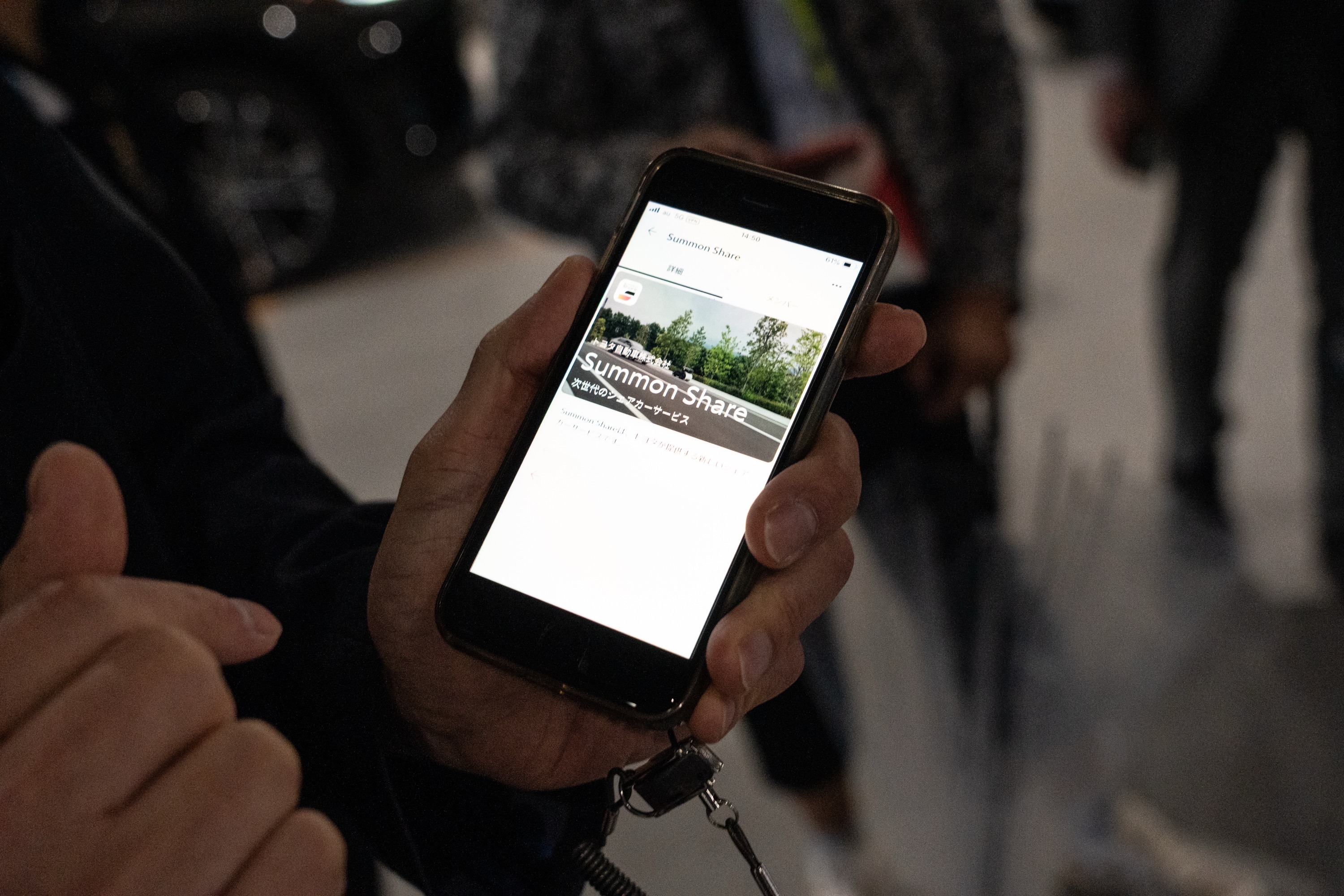
Toyota's massive investment in Woven City represents a strategic bet on the future of urban mobility and smart city technology. Rather than simply developing products and hoping they find markets, the company created an entire ecosystem where innovation could flourish. This approach suggests confidence that the technologies being developed and tested in Woven City will eventually reshape how people live, work, and move through urban environments globally.
The project also positioned Toyota in an advantageous competitive position relative to other automotive manufacturers and technology companies pursuing similar goals. While competitors might develop autonomous vehicles or smart city technologies separately, Toyota could test integrated systems in a cohesive environment. This holistic approach potentially accelerates development cycles and enables the company to achieve breakthroughs that siloed research might never produce.
As Woven City matures and expands beyond its initial 100 residents, the global implications of Toyota's experiment will become increasingly apparent. The data collected, insights gained, and technologies developed within this experimental city could influence urban planning decisions worldwide. Governments, city planners, and other companies will likely study Woven City's successes and failures, hoping to apply lessons learned to their own urban development initiatives. In this sense, Toyota's $10 billion investment extends far beyond the boundaries of the physical city itself, potentially shaping the future of global urbanization.
Source: Ars Technica


