
Iran Claims US Response to Latest Peace Proposal

Iran announces US response to its recent peace proposal as diplomatic tensions continue. Trump expressed skepticism about acceptability of terms.
Iran's government announced on Saturday that the United States has formally responded to its most recent peace proposal, marking another significant development in the ongoing diplomatic negotiations between the two nations. The announcement came as part of continued efforts to address escalating tensions and find a path toward resolution through dialogue rather than military confrontation.
Prior to conducting a thorough review of the Iranian proposal, US President Donald Trump stated publicly that he could not fathom the terms being sufficiently favorable or reasonable for American interests. Trump's preliminary assessment suggested skepticism about whether the latest peace proposal from Tehran would meet the standards necessary for formal acceptance by the United States government. His remarks indicated a cautious approach to the negotiations, with the administration maintaining a firm stance on what it deems acceptable terms.
The exchange of proposals represents a continuation of diplomatic channels between Washington and Tehran, despite the historically contentious relationship between the two countries. Both nations have engaged in cycles of escalation and de-escalation over recent years, with periodic attempts to establish dialogue and reduce tensions through structured negotiations. The current round of communications suggests continued engagement, though significant gaps remain regarding the fundamental terms each side is willing to accept.
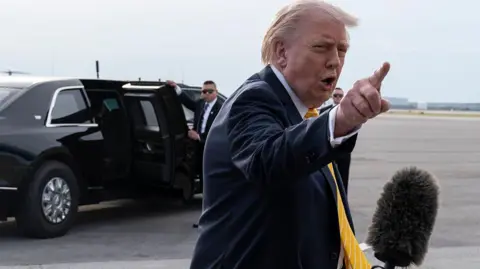
Iran's initiative in presenting the proposal demonstrates the country's willingness to engage in diplomatic negotiations aimed at resolving outstanding differences. Iranian officials have consistently maintained that their country seeks peaceful resolution of conflicts and is prepared to discuss matters of mutual concern with the United States. The proposal likely encompasses various issues that have been points of contention between the two nations, including sanctions, nuclear agreements, and regional security concerns.
Trump's immediate skepticism about the proposal's acceptability reflects the administration's hardline approach to dealings with Iran. The President has historically taken a more confrontational stance toward Iranian policies, particularly regarding the country's nuclear program and regional military activities. This skeptical positioning suggests that the administration will carefully scrutinize every element of Iran's proposal before considering any form of agreement or compromise.
The timing of these diplomatic exchanges carries significant weight given the broader geopolitical context in the Middle East. The region continues to experience instability related to various conflicts, and the US-Iran relationship serves as a critical factor influencing regional stability. Any movement toward peace talks or diplomatic resolution could have far-reaching implications for neighboring countries and international security interests.

Both nations face pressures from their respective domestic constituencies regarding foreign policy and international relations. Iran's government must balance demands from hardliners who oppose negotiation with those who favor engagement, while the Trump administration navigates its own political landscape and commitments to supporters who have expressed various views on Iran policy. The internal political dynamics on both sides add layers of complexity to the negotiation process.
The peace proposal itself remains largely undisclosed to the public, with details being kept confidential as part of the diplomatic process. This secrecy is typical of high-level negotiations, where revealing specific terms prematurely could undermine negotiating positions or invite unwanted scrutiny from domestic or international critics. However, the very fact that Iran felt compelled to submit a new proposal suggests recognition that previous attempts have not achieved desired results.
International observers and analysts have been closely monitoring these developments, recognizing the potential significance of any breakthrough in US-Iran relations. Experts note that successful negotiation between these two countries could represent a watershed moment for Middle Eastern diplomacy and international relations more broadly. Conversely, failure to reach agreement could lead to further escalation and military confrontation.
Trump's statement that he cannot imagine the proposal being acceptable sets a challenging tone for future diplomatic efforts. This kind of public skepticism can make it politically difficult for either side to show flexibility or make concessions, as doing so might be portrayed as weakness. The media coverage and public statements regarding negotiations can significantly impact the willingness of officials to pursue compromise solutions.
The proposal's content likely addresses several key areas of disagreement between the two nations. These may include nuclear enrichment levels, international inspections, economic sanctions relief, and regional security arrangements. Iran has previously indicated willingness to discuss limitations on its nuclear program in exchange for relief from international sanctions that have severely impacted its economy.
US officials are expected to conduct detailed analysis of Iran's proposal before issuing formal response or taking public positions on specific elements. This process typically involves consultation with national security advisors, State Department officials, and other relevant government bodies. The thorough review process ensures that any response reflects comprehensive consideration of national interests and strategic objectives.
The current state of US-Iran relations reflects decades of complex history, including the 1979 revolution, the previous nuclear agreement (JCPOA), and various periods of heightened military tensions. Understanding this historical context is essential for comprehending why current negotiations remain challenging and why both sides maintain guarded positions. The legacy of past conflicts and misunderstandings continues to influence contemporary diplomatic efforts.
As negotiations continue, both nations will need to demonstrate genuine commitment to finding mutually acceptable solutions while remaining true to their core national interests. The international community watches closely, hopeful that dialogue and diplomacy can prevent further escalation in an already volatile region. The coming weeks will likely reveal whether Trump's initial skepticism represents a final position or simply an opening negotiating stance that could evolve as detailed discussions progress.
Source: BBC News


