
Iran School Strike Silence Raises Questions

Former US officials express concern over Pentagon's unusual two-month silence on deadly Iran school incident. Investigation details remain classified.
The extended silence surrounding a deadly strike on an Iranian school has prompted considerable scrutiny from former United States government officials who characterize the lack of transparency as highly unusual for military operations of this magnitude. Over the course of two months since the controversial incident occurred, the Pentagon has maintained a notably restricted posture, releasing only minimal statements confirming that the matter remains under active investigation without providing substantive details about the circumstances, scope, or preliminary findings.
Military and diplomatic experts have begun weighing in on what they describe as an atypical communication strategy for the Department of Defense. The extended information blackout contrasts sharply with how the Pentagon typically handles high-profile military operations, particularly those involving civilian casualties or contentious geopolitical situations. Former government officials familiar with standard military protocol suggest that the duration and scope of secrecy surrounding this particular incident warrants closer examination by Congress and the American public.
The Iran school incident investigation has become a focal point for discussions about military accountability and transparency in international operations. Critics argue that the prolonged silence raises legitimate questions about what information authorities might be withholding and why the Pentagon has chosen to limit public disclosure during such an extended period. The lack of communication has created a vacuum that observers suggest may be filled with speculation and misinformation absent official clarification.
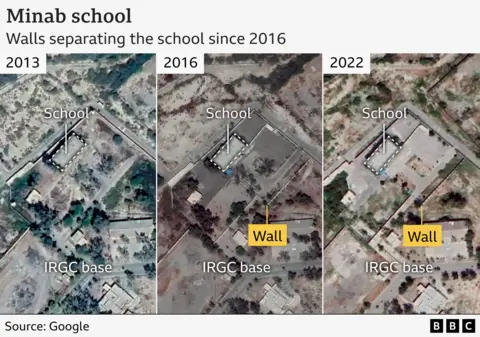
Multiple former defense officials, including those who previously held senior positions within the military hierarchy, have publicly expressed their concern about the Pentagon's communication strategy surrounding the deadly strike. These individuals, speaking on the basis of their extensive experience with military operations and press protocols, indicate that two months of minimal public statements represents a departure from customary transparency practices. They suggest that such extended silence typically indicates either ongoing complications in the investigation or deliberate administrative choices to limit disclosure.
The situation has prompted calls from various quarters for increased congressional oversight and demands for more detailed briefings. Lawmakers and foreign policy analysts have begun questioning whether the investigation's timeline and confidentiality classifications are proportionate to the incident's significance. Some observers have suggested that the lack of information sharing raises concerns about potential attempts to manage public perception or shield responsible parties from accountability.
International relations experts have noted that the US military transparency issues extend beyond mere domestic political considerations. The incident and subsequent silence have influenced diplomatic discussions and regional perceptions of American military conduct. Media outlets and human rights organizations have independently sought information about the strike, attempting to fill the informational void left by official channels through investigative reporting and on-the-ground documentation.
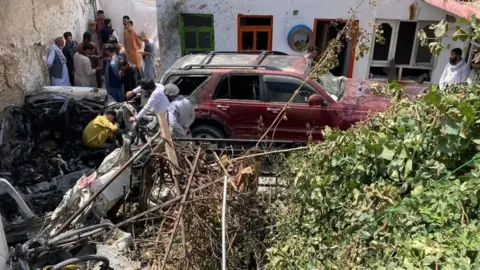
The Pentagon's official statements, while confirming the investigation's existence, have provided virtually no substantive details about the operation's authorization, execution, or intended targets. This approach stands in marked contrast to historical patterns where military leadership typically offers at least preliminary assessments or timelines for public disclosure regarding significant operational incidents. The strategic nature of the information control has itself become a subject of analysis among policy experts and media commentators.
Observers point to the deadly strike on Iran as a case study in how military institutions manage sensitive information during periods of geopolitical tension. The incident's timing, within a broader context of complicated US-Iran relations, adds additional layers of complexity to discussions about appropriate disclosure levels and security considerations. Former officials have suggested that while legitimate national security concerns might justify some confidentiality, the duration of near-total public silence appears excessive even by those standards.
The lack of transparency has also generated discussion about the investigation into military operations and how thoroughly such inquiries are conducted when subjected to minimal public scrutiny. Some analysts worry that investigations conducted largely out of public view may lack adequate oversight mechanisms or external accountability structures. This concern becomes particularly acute in cases involving potential civilian casualties, where public interest and democratic principles suggest greater transparency may be warranted.
Congressional members from both political parties have begun privately expressing frustration about the limited information shared during classified briefings. These legislators suggest that even accounts provided to cleared committees have been remarkably sparse regarding operational specifics, authorization procedures, and outcome assessments. The restricted nature of these briefings has complicated lawmakers' ability to conduct meaningful oversight of military operations and assess accountability within the defense establishment.
The situation reflects broader tensions between military operational security and democratic principles demanding government transparency. While military leaders cite legitimate concerns about protecting intelligence sources, methods, and ongoing strategic interests, critics argue these justifications sometimes serve as convenient mechanisms for avoiding uncomfortable public scrutiny. The balance between these competing imperatives remains contested among defense policy specialists and constitutional scholars.
Former diplomatic officials have suggested that the communication vacuum surrounding the incident may have consequences beyond domestic political circles. International observers, particularly in Iran and throughout the Middle East, interpret the silence as indicative of American attitudes toward accountability for military actions in their regions. Such perceptions, whether accurate or not, can influence regional stability calculations and diplomatic interactions between nations.
The extended silence also raises procedural questions about standard Pentagon investigation protocols and typical timelines for concluding inquiries of this nature. Defense analysts note that investigations into military operations, particularly those involving potential civilian harm, typically proceed through established procedures with anticipated completion dates and scheduled public reporting phases. The absence of communicated timelines in this case has led observers to wonder whether the investigation is proceeding normally or encountering unusual complications.
Media organizations have continued pursuing the story independently, attempting to document what occurred and gather first-hand accounts from witnesses and affected communities. These independent investigation efforts have produced reporting that sometimes conflicts with or supplements official military accounts, highlighting the importance of unrestricted information access for comprehensive public understanding. The disparity between official silence and independent reporting has amplified public curiosity and criticism regarding Pentagon communication choices.
As the two-month mark passes without significant new official disclosures, observers anticipate whether the Pentagon may eventually break its silence or whether the investigation phase will extend further without substantial public briefings. Former officials suggest that the longer the silence persists, the more challenging it becomes to resume normal transparency practices, and the greater the accumulated skepticism regarding both the investigation's integrity and the institution's commitment to democratic accountability. The incident has become emblematic of broader debates surrounding military transparency and governmental responsibility in contemporary American politics.
Source: BBC News


