
Iran Seizes 'Floating Armoury' Ship in Gulf of Oman

Iranian military reportedly hijacks vessel described as floating armoury in Gulf of Oman. Details on seizure and international implications emerging.
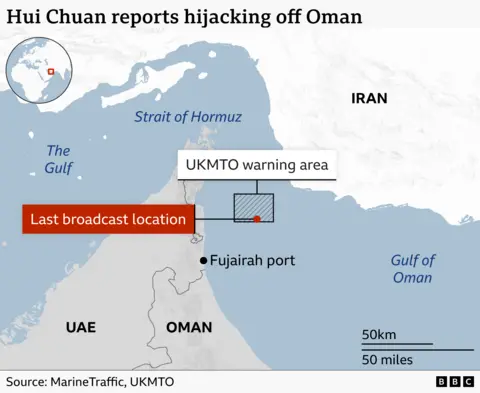
A cargo vessel operating in the strategically important Gulf of Oman has reportedly been seized by Iranian military personnel, marking another significant maritime incident in one of the world's most contested waterways. The ship, which has been characterized by international observers as a floating armoury due to its cargo of military equipment and weaponry, was intercepted by Iranian forces in what represents an escalation of tensions in the region.
The seizure of the vessel underscores the volatile nature of maritime operations in the Persian Gulf and surrounding waters, where multiple nations maintain significant military presences and competing interests. The Iranian military hijacking appears to be part of a broader pattern of assertive actions by Tehran in the region, aimed at demonstrating control over critical shipping lanes and exerting leverage in ongoing geopolitical disputes with Western nations and regional adversaries.
Details regarding the vessel's flag of registry, ownership, and intended destination remain unclear, though maritime tracking services have been monitoring the ship's movements closely. The cargo reportedly contained military equipment and weaponry destined for an undisclosed location, making it a valuable asset in the eyes of Iranian authorities who view such seizures as justified responses to what they characterize as Western military encroachment in their sphere of influence.

The Gulf of Oman seizure represents a significant development in maritime security concerns affecting international trade routes. Approximately 21% of the world's petroleum and liquefied natural gas passes through the Strait of Hormuz, which connects the Persian Gulf to the Gulf of Oman, making any military action in the region a matter of global economic concern. The incident highlights the ongoing risks faced by commercial shipping companies operating in these waters and raises questions about insurance costs and route planning for vessels transiting the area.
Previous incidents involving Iranian forces and international vessels have generated considerable international diplomatic tensions. In recent years, there have been multiple allegations of harassment, boarding, and seizure of commercial shipping by Iranian Revolutionary Guard units operating in the region. These actions have been condemned by Western governments as violations of international maritime law and freedom of navigation principles, though Iranian officials argue they are conducting legitimate security operations within their territorial waters.
The timing of this latest incident comes amid broader regional instability and ongoing negotiations regarding nuclear agreements and economic sanctions. International relations between Iran and Western powers, particularly the United States, have been strained over multiple issues ranging from nuclear proliferation concerns to regional proxy conflicts. The seizure of the floating armoury may be intended as a show of strength or a retaliatory gesture in response to perceived threats or provocations.
The operational implications of this seizure extend beyond the immediate incident, affecting insurance premiums, shipping schedules, and the risk assessments conducted by maritime companies worldwide. Major shipping firms and insurance providers have already begun adjusting their protocols in response to recurring maritime security threats in the region. The floating armoury seizure will likely prompt further discussions among maritime authorities and international bodies regarding enhanced security measures and coordinated responses to piracy and unlawful seizures.
Military and intelligence analysts suggest that Iran's actions in seizing the vessel demonstrate its capacity to project power and enforce its will in contested waters. The Iranian military capability to intercept and board commercial vessels represents a tangible demonstration of technical competence and operational readiness. Such demonstrations serve multiple purposes: domestic political messaging, regional deterrence, and signaling resolve to international adversaries regarding Iran's unwillingness to cede control of strategically important maritime corridors.
International maritime law provides clear frameworks for legitimate naval operations, and the legality of Iran's actions will likely be contested by the vessel's flag state and the international maritime community. The United Nations Convention on the Law of the Sea establishes rights and responsibilities of nations regarding maritime zones and freedom of navigation, and any violations of these principles could prompt formal complaints or diplomatic protests through international forums.
The seizure also raises important questions about the effectiveness of international naval coalitions and coordinated security efforts in the region. Various nations maintain naval forces in the Gulf of Oman ostensibly to ensure freedom of navigation and maritime security, yet this latest incident suggests that such presence may be insufficient to prevent determined state actors from conducting military operations. The balance of power in the region remains contested, with Iran leveraging its geographic proximity and knowledge of local waters to its strategic advantage.
Shipping companies and maritime insurers will likely reassess their operational strategies in light of this incident. Many vessels operating in the region have already increased security measures, including armed security personnel aboard ships and enhanced communication protocols with naval authorities. The maritime security threat level in the Gulf of Oman remains elevated, requiring ongoing vigilance and coordination among international stakeholders committed to maintaining safe passage for commercial shipping.
The broader implications of this floating armoury seizure extend to international trade and energy security. Any disruption to maritime commerce in the region has potential consequences for global oil prices, economic stability, and geopolitical calculations across multiple nations. The incident reinforces the vulnerability of critical infrastructure and international commerce to state-sponsored maritime actions, highlighting the importance of maintaining robust diplomatic channels and military deterrence capabilities.

As investigations continue and diplomatic statements accumulate, the seized vessel's ultimate fate remains uncertain. Whether the ship will be released, its cargo confiscated, or its crew detained for interrogation depends on Iranian decision-making processes and the diplomatic pressure applied by international actors. This incident will likely become another data point in the ongoing discussion about maritime security challenges, regional stability, and the appropriate balance between national security interests and international maritime law principles.
Source: BBC News


