
Iranian Nobel Prize Winner's Health Crisis Sparks Global Concern

Family of jailed Iranian Nobel laureate reports serious health deterioration, leading to emergency hospital transfer. International community watches closely.
Alarm bells are ringing across the international community following urgent reports that a prominent Iranian Nobel laureate currently imprisoned in Iran has experienced a dramatic decline in health. On Friday, relatives of the 54-year-old activist disclosed distressing news that she had been urgently transported from her place of detention to a local hospital, citing severe and sudden medical complications that have raised serious concerns about her wellbeing.
The health deterioration of the jailed Nobel Prize winner marks an escalation in what human rights organizations have already characterized as a deeply troubling detention. Her family's public statement underscores the mounting pressure on Iran regarding the treatment of this internationally recognized figure, whose imprisonment has drawn criticism from governments and advocacy groups worldwide. The specifics surrounding the exact nature of her medical emergency remain limited, though family members have indicated the situation is sufficiently grave to warrant immediate hospitalization.
This development arrives amid ongoing international scrutiny of Iran's treatment of political detainees and activists. The Nobel laureate's imprisonment has been a focal point for human rights advocates, who argue that her detention represents a broader pattern of suppression against dissenting voices within the Islamic Republic. Her case has become emblematic of larger concerns regarding freedom of expression and the safety of activists in Iran.
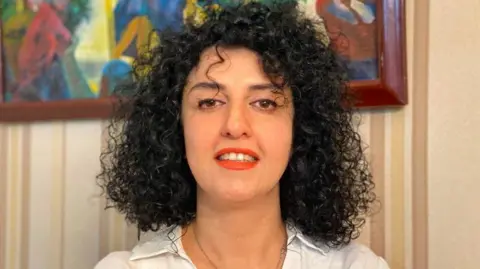
The timing of her hospitalization comes as international organizations continue to monitor her case closely. Various human rights organizations have previously called for her release, citing both her humanitarian work and the conditions under which she is being held. The sudden medical emergency has intensified calls from global leaders and advocacy groups demanding access to accurate health information and proper medical care for the detainee.
Family members have expressed deep anxiety regarding her current condition and access to adequate medical treatment while in state custody. They have emphasized the urgency of the situation and the need for transparent communication about her health status. The uncertainty surrounding her recovery prospects has prompted concerned citizens and international observers to seek updates on her situation, as the case continues to draw attention from global media outlets.
The Iranian Nobel Prize recipient has long been recognized for her work in human rights and social justice causes. Her achievements in advocating for marginalized communities earned her international acclaim and the prestigious Nobel Peace Prize recognition. Despite her global prominence and advocacy work, her detention has proceeded under circumstances that international observers argue lack proper transparency and due process.
This situation underscores the precarious position faced by outspoken activists and human rights defenders operating within restrictive political environments. The detention and health crisis of such a high-profile figure illuminates broader challenges confronting those who advocate for civil liberties in countries with limited press freedom. Observers note that her case represents one of many instances where activists face significant personal risks due to their work.
Diplomatic channels have reportedly been activated as various nations express concern about her welfare. Several governments have officially called for her immediate and unconditional release, while others have demanded independent verification of her health status. The international pressure reflects the significant profile this case has achieved, transcending typical diplomatic discourse to capture widespread public attention.
The Nobel laureate's medical emergency raises critical questions about prison conditions and healthcare access for political detainees in Iran. Advocacy organizations have previously documented concerning conditions in Iranian prisons, including limited access to adequate medical care. The current situation appears to validate long-standing concerns about the treatment of high-profile detainees within the Iranian prison system.
Her supporters worldwide have taken to social media and international platforms to express solidarity and demand her safe release. Online campaigns and advocacy initiatives have mobilized to raise awareness about her case and press for international intervention. The global response demonstrates the significant impact her work and detention have had on activism communities across multiple continents.
Medical professionals and human rights experts have expressed concern about the implications of her hospitalization while remaining in state custody. Questions persist regarding the quality of medical care she is receiving and whether her family maintains adequate access to information about her condition. These concerns reflect broader anxieties about the intersection of political detention and healthcare access in contexts where governmental oversight is limited.
The situation remains fluid as developments continue to unfold. Family members have indicated they will provide updates as additional information becomes available, though access to reliable information appears limited. The coming days and weeks will likely determine whether her condition stabilizes and what her long-term prognosis may be, factors that will undoubtedly influence continued international advocacy efforts.
This case exemplifies the ongoing tension between political detention practices and international human rights standards. The prominence of the detainee ensures that developments will continue to attract media attention and diplomatic engagement from concerned nations. As the situation evolves, observers worldwide will continue monitoring developments closely and advocating for her safety and wellbeing while imprisoned.
Source: BBC News


