
Ireland's Fuel Crisis Exposes Europe's Oil Dependency

How geopolitical tensions and fuel blockades are reshaping Europe's energy landscape and accelerating the shift toward electric vehicles and renewable energy.
Europe faces an unprecedented energy challenge as geopolitical tensions in the Middle East threaten to fundamentally reshape the continent's relationship with fossil fuels. The disruption caused by international conflicts has created a critical moment for Europe's green energy transition, forcing policymakers and consumers alike to confront the true cost of oil dependency. What began as a distant conflict has suddenly become a personal crisis at the petrol pump, raising urgent questions about energy security and the viability of traditional fuel sources.
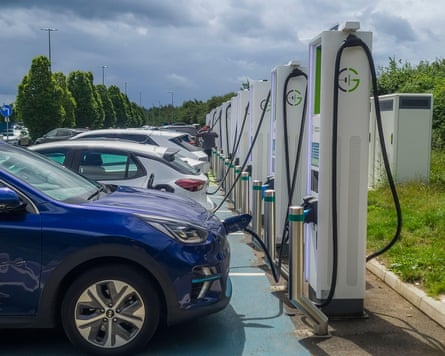
The electric vehicle revolution is accelerating across continental Europe at an unprecedented pace, with sales surging by 51% in March alone. This dramatic increase suggests that consumers are finally recognizing the vulnerability of their reliance on imported oil and are actively seeking alternatives. The EV market growth represents more than just consumer preference; it reflects a fundamental shift in how Europeans view transportation and energy consumption in an increasingly unstable geopolitical environment. Dealerships report unprecedented demand, with waiting lists stretching months into the future.
The International Energy Agency has characterized the disruption in the strait of Hormuz as the "biggest energy crisis in history," a sobering assessment that underscores the severity of the situation. This critical waterway, through which approximately one-third of global maritime oil trade passes, has become a flashpoint for international tensions. The energy crisis impact extends far beyond economic statistics; it represents a fundamental threat to Europe's industrial capacity, heating systems, and transportation networks. Governments across the continent are grappling with how to respond to this unprecedented challenge while maintaining public confidence in their leadership.

Ireland has become an unexpected focal point in this broader European energy debate, with fuel blockades revealing the fragility of the continent's supply chains. The small island nation, heavily dependent on imported petroleum products, has experienced acute shortages that have cascading effects throughout its economy. Fuel blockade consequences have disrupted transportation, manufacturing, and agriculture, serving as a cautionary tale for other European nations about the risks of over-reliance on oil imports. The situation has galvanized both policymakers and the public to demand rapid action on energy independence.
Even as consumer enthusiasm for electric vehicles reaches new heights, European governments face mounting pressure from angry citizens protesting soaring petrol and gas prices. This political tension creates a precarious moment where short-term political considerations could undermine long-term energy strategy. Fossil fuel prices have skyrocketed, making public transportation increasingly unaffordable and straining household budgets across income levels. The political backlash threatens to push some governments toward policies that could reverse progress on the clean energy transition, prioritizing immediate price relief over sustainable solutions.
Environmental analysts like George Monbiot have identified a potential silver lining to the crisis, noting that adversity sometimes accelerates necessary change. The current disruptions could represent an inflection point where Europe finally commits to genuine energy independence through renewable sources. However, this optimistic scenario is far from guaranteed, requiring governments to maintain their nerve and resist populist pressure for short-term fixes that would entrench fossil fuel dependency further. The coming months will be decisive in determining whether Europe seizes this moment or retreats into outdated energy paradigms.
The broader context of European energy independence cannot be understated in evaluating the current crisis. For decades, Europe has prioritized cheap imported oil over strategic autonomy, creating vulnerabilities that are now starkly apparent. This structural weakness was always likely to be exposed eventually, whether by geopolitical conflict or other disruptions. The current situation simply reveals what energy security experts have long warned: a continent that cannot reliably fuel itself is a continent vulnerable to external pressure. Addressing this vulnerability requires systemic changes that extend far beyond simply purchasing more electric vehicles.
The surge in EV demand demonstrates that consumer behavior can change rapidly when circumstances demand it. Individuals and families who previously would never have considered electric vehicles are now actively seeking them out as a hedge against future price volatility and supply disruptions. This behavioral shift provides hope that broader energy transformation is possible, but it also highlights the crucial role of consumer choice and market signals. When faced with tangible threats to their comfort and financial security, Europeans are proving willing to embrace new technologies and lifestyles.
Government responses to the energy crisis will determine whether the current momentum toward clean energy accelerates or dissipates. Some nations are using the crisis as justification for increased renewable energy investment and infrastructure development, viewing it as an opportunity to build competitive advantage in emerging energy technologies. Others are being tempted by promises of quick fixes through alternative fossil fuel sources or increased domestic oil exploration. The divergence in national responses could create a fragmented European energy landscape, undermining collective security and competitiveness.
The economics of the transition deserve careful consideration as well. While oil prices have spiked dramatically, renewable energy infrastructure costs have continued their long-term decline, making clean energy increasingly cost-competitive with fossil fuels even before accounting for geopolitical risk premiums. This economic reality provides a powerful argument for accelerating the clean energy transition, yet many governments remain reluctant to embrace the necessary investments. The short-term fiscal burden of energy infrastructure transformation conflicts with long-term economic benefits, creating political tension that leaders must navigate carefully.
International cooperation will be essential to managing both the immediate crisis and the long-term transition. The European Union's collective purchasing power, research capabilities, and regulatory frameworks position it well to lead a coordinated response to the energy challenge. However, national interests sometimes diverge, particularly when immediate economic hardship threatens political stability. Whether Europe can maintain sufficient unity to implement comprehensive energy policy during this crisis remains an open question. The outcome will have implications extending far beyond energy markets, shaping European geopolitics and global energy markets for decades to come.
Looking forward, the combination of technological innovation, consumer demand, and geopolitical pressure creates a unique opportunity for fundamental energy system transformation. The next few months will be critical in determining whether this moment accelerates Europe's green revolution or leads to a counterproductive retreat toward fossil fuel dependence. History suggests that crises often prompt necessary changes that seemed impossible during periods of stability. Whether policymakers and citizens can hold their nerve and embrace this transformation while managing the immediate hardships will ultimately determine Europe's energy future and its position in an increasingly uncertain geopolitical landscape.


