
iRobot Co-Founder Creates Quirky Robot Pets

A former iRobot co-founder is developing innovative robot companions that offer companionship without traditional pet responsibilities. Discover this unique tech venture.
The robotics industry continues to evolve in unexpected directions, with one of iRobot's co-founders venturing into an intriguing new space: robot companions. These aren't your typical household cleaning robots or industrial machinery—they represent a fascinating intersection of artificial intelligence, robotics engineering, and consumer companionship technology.
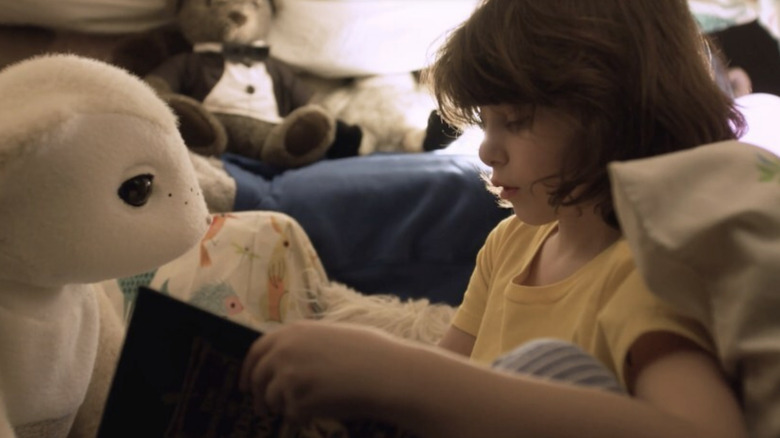
The project showcases a creative reimagining of what robot companions could be in modern households. Unlike traditional pets that require feeding, exercise, and ongoing care, these robot pet alternatives offer a different kind of interaction. They promise the appeal of companionship while eliminating the responsibilities that come with caring for living animals, addressing a significant gap in the market for people who desire companionship but lack the time or ability to maintain traditional pets.
This venture reflects broader trends in the robotics and automation sector, where companies are increasingly focusing on social and interactive robots rather than purely utilitarian ones. The shift demonstrates how robotic technology is becoming more integrated into personal and emotional aspects of human life, moving beyond mere functionality into the realm of emotional support and companionship.
The founder's background in founding iRobot—a company that revolutionized household automation with the Roomba vacuum—provides significant credibility and engineering expertise to this new venture. With decades of experience in robotics design, manufacturing, and consumer product development, the co-founder brings valuable knowledge about creating products that appeal to mainstream consumers while maintaining technical sophistication.
These unusual robot companions represent a bold departure from conventional pet alternatives like robotic dogs or cats. Instead, they offer something more abstract and unconventional in appearance, which some might consider quirky or strange. This design choice appears intentional, suggesting that the developers are exploring what companions could look like if freed from the constraints of mimicking real animals.
The timing of this venture coincides with growing interest in AI-powered companion technology and the increasing acceptance of non-traditional ways to achieve companionship and emotional support. The market for such products has expanded significantly in recent years, with consumers showing interest in robots that can interact, respond to voice commands, and provide some level of emotional engagement.

From a technical perspective, creating robot companions involves complex integration of artificial intelligence, natural language processing, computer vision, and mechanical engineering. These systems need to recognize users, respond appropriately to interactions, learn preferences over time, and maintain reliable operation over extended periods. The engineering challenges are substantial, but the potential market opportunity justifies the investment.
The concept of robot companions without the "pesky love" aspect—as humorously described—actually addresses a genuine market segment. Some individuals struggle with pet ownership due to allergies, living situations, or time constraints, yet still desire interactive entertainment and a sense of companionship. Robot companions offer a viable solution for these demographics while opening entirely new categories of consumer technology.
The robotics industry has long recognized the potential of social robots. Companies worldwide have invested in developing robots that can serve as tutors, entertainment devices, or companions for elderly individuals. This new venture fits into that broader ecosystem while potentially offering something distinctly different from existing products in terms of design philosophy and interaction models.
Consumer acceptance will be crucial to the success of these robot companion products. Unlike functional robots such as vacuum cleaners that justify themselves through task completion, robot companions must provide sufficient entertainment value and emotional appeal to warrant purchase and ongoing engagement. The development team must carefully consider user experience, interaction quality, and the psychological aspects of human-robot relationships.
The venture also raises interesting questions about the future of companionship and how technology might reshape human relationships. As society becomes increasingly connected digitally yet sometimes isolated physically, robot companions could serve important psychological roles. They represent a technological solution to contemporary social challenges, even if that solution takes unconventional forms.
Manufacturing and distribution represent additional considerations for this initiative. Producing sophisticated robots at consumer-friendly price points while maintaining quality and reliability requires substantial operational expertise. The co-founder's experience navigating these challenges at iRobot provides significant advantages compared to new entrants in the robotics market.
Looking forward, the success of this venture could influence how the entire robotics industry approaches companion technology. If these robot companions gain market acceptance, other companies will likely develop competing products, leading to increased innovation and potentially lower prices for consumers. The competitive dynamics could accelerate development of more sophisticated artificial intelligence and interaction capabilities.
The project exemplifies how experienced robotics engineers and entrepreneurs continue to push boundaries and explore new possibilities in their field. Rather than simply applying existing technology to new markets, this venture represents genuine innovation in how robots might interact with and support human users. It demonstrates the ongoing evolution of the robotics sector from purely utilitarian applications toward more diverse and human-centered roles in daily life.
Source: Engadget


