
Israel Intercepts Gaza Aid Flotilla Near Crete

Israeli forces intercept 22-boat flotilla carrying humanitarian aid for Gaza in international waters near Crete, detaining 175 pro-Palestinian activists.
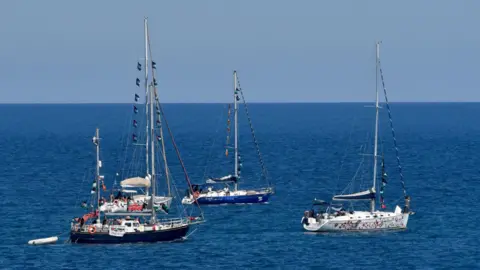
In a significant maritime incident that has reignited tensions over humanitarian access to Gaza, Israeli naval forces intercepted a flotilla of 22 vessels carrying aid supplies in international waters near the Greek island of Crete. The operation resulted in the detention of approximately 175 pro-Palestinian activists who were aboard the boats as part of a coordinated humanitarian mission. The incident has sparked considerable debate about international law, maritime jurisdiction, and the ongoing humanitarian crisis affecting Gaza's civilian population.
According to accounts from pro-Palestinian organizations coordinating the mission, the Gaza aid flotilla interception occurred in international waters, raising serious questions about the legality of the Israeli military's actions. The activists contend that the operation violated international maritime law, as the vessels were operating well beyond Israel's territorial boundaries and posed no security threat. The flotilla's stated purpose was to deliver much-needed humanitarian supplies, including medical equipment, educational materials, and food provisions, to residents of Gaza who are facing severe shortages and ongoing humanitarian challenges.
The vessels involved in the operation represented a diverse coalition of humanitarian organizations, peace advocates, and civil society groups from multiple countries. These activists had organized the flotilla as a direct response to what they characterize as an insufficient and restricted humanitarian corridor into Gaza. The mission reflects growing international frustration with the limitations placed on aid delivery and the broader humanitarian situation facing the territory's approximately 2.3 million residents.

The interception of the flotilla near Crete represents a continuation of a pattern of maritime interventions by Israel aimed at preventing aid shipments from reaching Gaza through alternative routes. Over the years, several high-profile incidents involving humanitarian vessels attempting to breach the blockade have occurred, including the controversial 2010 Mavi Marmara incident, which resulted in significant loss of life and international condemnation. These operations have consistently been portrayed by Israeli authorities as necessary security measures to prevent weapons smuggling and maintain national security.
Israeli officials have historically justified such interceptions by citing security concerns and the need to prevent prohibited materials from entering Gaza. The government maintains that its naval blockade of Gaza is a legitimate security measure implemented to prevent terrorist organizations from acquiring weapons and military equipment. However, international human rights organizations and humanitarian bodies argue that these restrictions have had severe consequences for civilians, limiting access to essential goods and medical supplies needed for basic survival and functioning society.
The detention of the 175 activists following the flotilla incident raises questions about due process and the treatment of humanitarian workers. Activist organizations have expressed concern about the conditions under which detainees are being held and the legal procedures being followed. International observers and advocacy groups have called for transparent investigations into the circumstances of the interception and the handling of the detained individuals.
Greece's position in this incident holds particular significance, given that the interception occurred in waters near Crete. While Greece maintains diplomatic relations with Israel, the operation in proximity to Greek territory has prompted discussions about the country's role in the situation and its obligations under international maritime law. Greek authorities have been monitoring the situation, and questions have arisen about what coordination, if any, took place between Israeli and Greek forces regarding the flotilla's activities.
The humanitarian situation in Gaza that prompted this aid mission remains dire, with organizations like the United Nations and International Committee of the Red Cross documenting severe shortages of medical supplies, clean water, electricity, and food. The humanitarian crisis in Gaza has been exacerbated by ongoing conflict, economic collapse, and restrictions on the movement of goods and people. Hospitals and healthcare facilities struggle to function, with reports indicating shortages of critical medications and medical equipment that have direct impacts on patient care and public health outcomes.
International responses to the flotilla interception have been mixed, reflecting broader geopolitical divisions regarding the Israeli-Palestinian conflict. Some governments and organizations have condemned the action as a violation of international maritime law and humanitarian principles, while others have emphasized the complexity of the security situation and Israel's legitimate defense concerns. These differing perspectives underscore the polarized nature of discussions surrounding Gaza access and humanitarian issues.
The Gaza blockade enforcement continues to be a central point of contention in international relations and human rights discourse. Critics argue that the blockade constitutes collective punishment of the civilian population and violates international humanitarian law. Supporters contend that it represents a necessary security measure and that alternative humanitarian corridors, including land crossings from Egypt, provide adequate channels for aid delivery. The reality on the ground suggests significant limitations in these official channels, with frequent closures and capacity constraints.
Previous attempts to breach the blockade through maritime means have generated substantial international attention and diplomatic incidents. The 2010 Gaza Freedom Flotilla incident, in which Israeli commandos stormed the Mavi Marmara vessel, resulted in nine deaths and prompted investigations by multiple international bodies. That incident fundamentally shaped the international conversation about maritime humanitarian missions to Gaza and the risks activists undertake when attempting such operations.
The detained activists now face uncertain futures regarding their legal status, potential charges, and eventual release or prosecution. Activist detention and humanitarian law questions loom large as international observers monitor how Israeli authorities proceed with the individuals captured during the flotilla interception. Legal experts suggest that the detained individuals should be afforded due process rights and that their humanitarian worker status should be considered in any legal proceedings.
Looking forward, the incident raises fundamental questions about the sustainability of current humanitarian access mechanisms and the need for international dialogue on resolving the Gaza access and humanitarian delivery challenges. Multiple stakeholders—including the United Nations, international governments, humanitarian organizations, and affected communities—recognize that the current system is inadequate to address the scale of human need. Proposals for alternatives have ranged from expanded land crossing operations to negotiated agreements about maritime access to international oversight mechanisms.
The broader implications of this flotilla interception extend beyond the immediate incident to encompass discussions about international maritime law, humanitarian principles, and the rights and responsibilities of nations operating in international waters. As the situation develops and more information emerges about the detained activists and their treatment, international attention will likely intensify, potentially prompting diplomatic interventions and further scrutiny of policies affecting humanitarian access to Gaza and the welfare of its civilian population.
Source: BBC News


