
Jersey Community Frustrated Over Empty Shops, Rising Living Costs

St Brelade residents voice concerns about vacant storefronts and cost of living crisis. Families forced to rely on food banks in wealthy Jersey community.
Residents of St Brelade in Jersey are expressing growing frustration over the twin challenges of empty shops and escalating cost of living pressures that are reshaping their community. The concerns come as local families increasingly find themselves turning to food banks for basic necessities, a troubling development that community members say contradicts Jersey's status as a prosperous island jurisdiction.
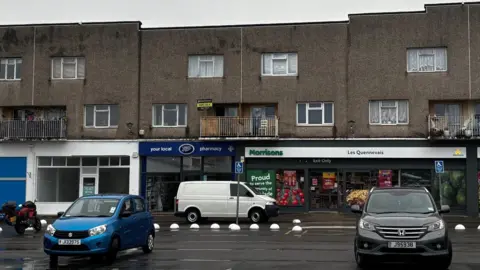
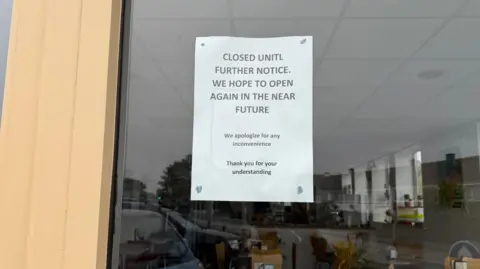
The visible decline in retail activity across St Brelade has become impossible to ignore, with shuttered storefronts serving as stark reminders of broader economic difficulties facing the region. Business owners and residents alike point to the challenging economic environment that has made it increasingly difficult for independent retailers to maintain operations. The problem extends beyond mere aesthetics, raising questions about the future viability of the local economy and community cohesion in what was once a thriving commercial area.
What particularly troubles residents is the apparent contradiction between Jersey's reputation as an affluent island and the harsh realities facing ordinary families struggling to afford basic necessities. Individuals from across the economic spectrum report difficulties keeping up with mounting bills and household expenses, forcing them to seek assistance from charitable organizations. The situation has sparked conversations about economic inequality and wealth distribution across the island community.
The food bank crisis emerging in St Brelade particularly concerns longtime residents who remember when such assistance was rarely needed in their prosperous community. Families who had previously managed independently now find themselves navigating the application process for emergency food provisions. Social workers and community leaders note that the individuals seeking help span diverse backgrounds, including working families whose incomes simply don't stretch far enough in the current economic climate.
Rising housing costs have emerged as a primary culprit in the community's struggles, consuming larger portions of household budgets than ever before. Rental prices and property values have climbed substantially, outpacing wage growth and making it increasingly difficult for residents to afford adequate accommodation. First-time homebuyers and young families have been particularly squeezed, with many forced to make difficult choices between housing and other essential expenses.
The retail sector's decline directly correlates with shifts in consumer behavior and the fundamental economics of operating a small business in Jersey. Shop owners describe mounting pressure from operational costs, including rent, utilities, and staffing expenses, which have made traditional retail increasingly unviable. Many have reluctantly closed their doors, unable to compete with online shopping alternatives or sustain their operations amid flat consumer spending.

Community leaders are calling for greater attention to the economic challenges facing everyday residents of St Brelade and surrounding areas. They argue that policymakers must implement more targeted support programs to address both the immediate crisis facing vulnerable families and the longer-term structural issues undermining the local economy. Solutions discussed include business incentive programs to encourage new retail development and initiatives to support struggling households.
Local government officials have acknowledged the concerns raised by residents, noting that economic pressures observed in St Brelade reflect broader trends affecting Jersey's entire population. They point to various support mechanisms already in place, though critics argue these measures remain insufficient given the scale of the problem. The debate has intensified as more data emerges documenting increased reliance on charitable assistance across the island.
The human impact of these economic pressures cannot be overstated, with families reporting increased stress and anxiety over their financial stability. Parents describe difficult conversations with children about why purchases must be delayed, while elderly residents worry about affording heating and medications alongside food. Mental health professionals in the area have reported increased demand for their services, attributing much of it to financial stress and uncertainty.
Charities operating in the area have dramatically expanded their operations to meet surging demand for assistance, yet even their increased capacity struggles to keep pace with need. Food bank workers describe a troubling trend of repeat visitors becoming increasingly common, suggesting chronic rather than temporary difficulties. The organizations are calling for sustained funding and community support to continue their vital work.
The situation in St Brelade raises important questions about the nature of prosperity and inequality in small island economies like Jersey. Despite the jurisdiction's strong financial sector and reputation for wealth, the gaps between rich and poor have become increasingly pronounced. Residents question whether current economic policies adequately serve the broader population or whether they primarily benefit those already well-established.
Business development experts suggest that revitalizing St Brelade's retail sector will require innovative approaches beyond traditional commercial strategies. This might include supporting online commerce platforms developed by local businesses, creating shared retail spaces for multiple vendors, or developing mixed-use developments that combine residential and commercial functions. The goal would be to rebuild the commercial vitality that once characterized the area while meeting contemporary shopping preferences.

The concerns raised by St Brelade residents align with broader conversations occurring across Jersey about economic fairness and opportunity. Policymakers face mounting pressure to address income inequality, support small business development, and ensure that basic necessities remain accessible to all residents regardless of economic status. The challenge lies in balancing these concerns with maintaining Jersey's competitive advantages in global financial markets.
Moving forward, both immediate and long-term solutions will be necessary to address the dual challenges of retail decline and cost of living pressures affecting St Brelade. Short-term measures might include emergency financial assistance for vulnerable families, while longer-term approaches could focus on economic diversification and support for entrepreneurship. The community's response over the coming months will likely determine whether these challenges prove temporary or signal more fundamental shifts in Jersey's economic landscape.
Source: BBC News


