
Jet Fuel Crisis: Will Summer Holidays Ever Be the Same?

Jet fuel prices have doubled since Iran tensions escalated. Explore how a potential fuel shortage could ground flights and reshape global travel forever.
The aviation industry faces an unprecedented challenge as jet fuel prices have surged dramatically since geopolitical tensions surrounding Iran intensified. This spike raises critical questions about the future of air travel, from your summer vacation plans to the broader implications for global commerce and international relations. Understanding the severity of this situation requires examining both the immediate supply chain disruptions and the long-term transformations that could reshape how humanity travels.
A fundamental question looms over the industry: what would happen to global flight operations if the world truly ran out of aviation fuel? The answer is straightforward yet sobering—flights would be grounded entirely. More specifically, there exists a genuine possibility that if ongoing conflicts in the Middle East persist and critical shipping routes like the Strait of Hormuz remain blocked, airlines could face an unprecedented scenario where aviation fuel simply becomes unavailable, regardless of price. This scenario would represent the first global fuel shortage to directly impact air travel since commercial aviation began more than a century ago.
Throughout the twenty-first century, the aviation sector has encountered multiple unforeseen crises that tested its resilience and adaptability. The COVID-19 pandemic severely disrupted air travel patterns and fundamentally altered passenger behavior. Before that, the 2010 Icelandic volcanic eruption presented a different kind of challenge, forcing authorities to close European airspace for eight consecutive days. According to European disaster risk management assessments, this single event resulted in approximately €3.75 billion (£3.2 billion) in economic losses and triggered widespread supply chain disruptions that rippled across multiple industries and continents.
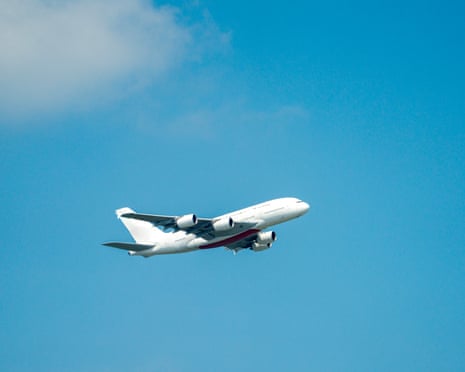
While regional disruptions have occasionally impacted specific airports and countries, the aviation industry has never experienced a globally coordinated fuel shortage that threatened to paralyze air travel worldwide. Recent incidents like the Heathrow substation blackout and the Iberian energy crisis, both occurring last year, temporarily closed individual airports but remained geographically contained. The prospect of a worldwide aviation fuel shortage represents uncharted territory for an industry that has grown accustomed to solving logistical challenges within established frameworks and regional contingency plans.
The current jet fuel crisis stems from the escalation of tensions in one of the world's most strategically important regions. The Strait of Hormuz, through which approximately one-third of global maritime petroleum trade flows, has become a focal point of concern for energy markets worldwide. Should political instability prevent the normal flow of crude oil and refined petroleum products through this vital waterway, the consequences would extend far beyond individual airline operations or summer vacation schedules. The global economy, dependent on stable energy supplies for virtually every sector, would face cascading disruptions.
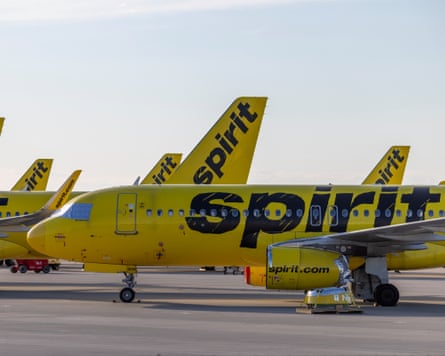
For consumers planning summer holidays, the implications could prove transformative. Airline operations depend on fuel accounting for a substantial portion of operational costs, and any significant disruption to supply would necessitate difficult choices from carriers. Airlines might face the unpalatable decision to reduce flight frequencies, increase ticket prices substantially, or cease operations on certain routes entirely. Destinations that rely heavily on air travel for tourism revenue would experience economic hardship, while global supply chains for perishable goods and time-sensitive cargo would face severe complications.
The broader context of this potential crisis intersects with the aviation industry's long-term sustainability goals. For years, aviation leaders and environmental advocates have discussed the transition toward jet zero emissions through sustainable aviation fuels, electric aircraft, and alternative propulsion technologies. A severe fuel shortage, while economically devastating in the short term, could paradoxically accelerate the timeline for developing and implementing renewable energy solutions in aviation. When conventional fossil fuel supplies become unreliable or prohibitively expensive, investment in alternative fuel technologies becomes not merely environmentally responsible but economically essential for industry survival.
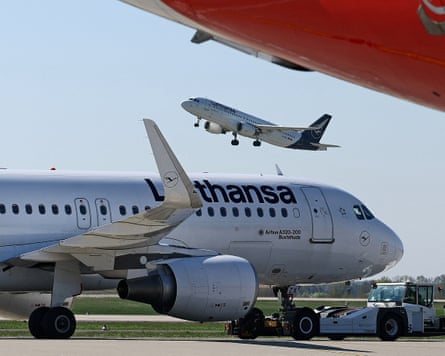
Industry analysts point out that the current situation differs fundamentally from previous energy crises because it specifically targets aviation fuel supply through geopolitical mechanisms rather than affecting all energy sectors equally. This targeted vulnerability reveals structural weaknesses in how the global aviation industry organizes its fuel procurement and storage. Most airports maintain strategic fuel reserves, but these reserves were calculated based on historical consumption patterns and assumed supply reliability, not scenarios involving prolonged international conflicts affecting critical maritime shipping lanes.
The potential economic fallout extends into multiple dimensions of the global economy. Tourism-dependent nations would face reduced visitor arrivals and corresponding losses in foreign exchange earnings. Business travel, already disrupted by pandemic-era remote work adoption, might contract further as companies struggle to justify expensive flights amid fuel shortages and price increases. International supply chains, optimized over decades to utilize air freight for high-value, time-sensitive goods, would require complete restructuring to accommodate reduced flight capacity and higher transportation costs.
Looking at historical precedent, the aviation industry has demonstrated remarkable capacity for adaptation when facing existential challenges. The transition from jet fuel with lead additives to unleaded aviation fuel involved substantial industry-wide coordination and investment. Similarly, the response to COVID-19 saw airlines rapidly adjust operations, consolidate routes, and implement new health and safety protocols. However, a global fuel shortage would present challenges of different magnitude and complexity, requiring not just operational flexibility but fundamental restructuring of how fuel is sourced, stored, and distributed globally.
Governments and international organizations are beginning to grapple with contingency planning for scenarios involving aviation fuel disruptions. Strategic petroleum reserves in various nations, traditionally designed to address broader energy crises, might be mobilized to support aviation operations during emergencies. However, most reserve systems lack the infrastructure to quickly convert crude oil stocks into refined jet fuel, creating potential delays even if crude supplies remain available.
The intersection of geopolitical instability, energy markets, and environmental imperatives creates an unusual opportunity for accelerating the transition to sustainable aviation fuels. While crisis-driven transitions are rarely optimal, the urgent pressure to reduce dependence on vulnerable fuel supply chains could motivate governments and private investors to rapidly scale sustainable fuel production capacity. Research facilities worldwide are developing promising alternatives, including biofuels derived from agricultural waste and synthetic fuels produced from captured carbon dioxide.
Your summer holiday plans might indeed face unprecedented disruption if the current geopolitical tensions escalate further and fuel supplies become critically constrained. However, this crisis might ultimately catalyze transformations that reshape global aviation toward sustainability and resilience. Whether the outcome proves to be merely disruptive or ultimately constructive depends largely on decisions made by policymakers, aviation industry leaders, and energy sector actors in coming months. The stakes extend far beyond vacation schedules—they involve fundamental questions about how globalized systems can maintain resilience when confronted with severe supply chain disruptions and geopolitical uncertainty.
Source: The Guardian


