
JLR and GM Bid for £900M Military Truck Contract

Jaguar Land Rover and General Motors pursue major UK defence contract to supply 4x4 military vehicles. Carmakers capitalize on NATO's increased defence spending.
Jaguar Land Rover and General Motors are positioning themselves for a significant expansion into the United Kingdom's defence sector through a substantial £900 million military contract opportunity. This strategic move reflects a broader trend among automotive manufacturers who are increasingly recognizing the lucrative potential within government and military procurement programs, particularly as NATO countries accelerate their defence spending amid geopolitical tensions and security concerns across Europe.
The partnership between these two automotive giants represents a calculated effort to capitalize on unprecedented defence budget allocations across allied nations. As traditional automotive markets face headwinds from changing consumer preferences and economic uncertainty, major carmakers are diversifying their revenue streams by securing long-term government contracts. This shift underscores how the global defence landscape is reshaping investment priorities within the automotive industry, with companies seeking stable, high-volume orders that can sustain manufacturing operations for years to come.
Multiple automotive manufacturers have entered the competition to secure this lucrative contract, which centers on producing thousands of specialized 4x4 vehicles designed for military operations. These military trucks are intended to modernize and replace an aging fleet of vehicles that have served the armed forces for decades. The aging Land Rovers currently in service have been out of production since 2016, creating a significant gap in the military's operational capabilities and transportation infrastructure that government procurement officials are eager to address.
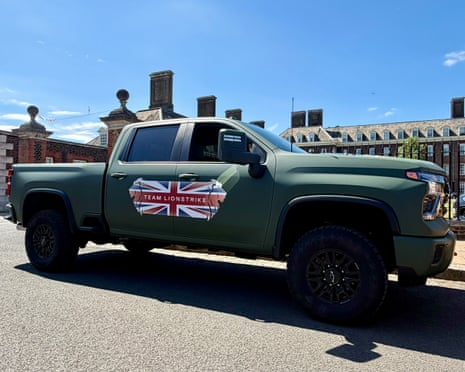
The procurement process represents one of the most substantial military vehicle contracts in recent UK defence history, reflecting the government's commitment to modernizing its armed forces' equipment. Defence spending across NATO has surged dramatically in response to evolving security threats, with member nations allocating record budgets toward military equipment, personnel, and infrastructure. The United Kingdom has been particularly active in this trend, investing heavily in upgrades to its defence capabilities and seeking partnerships with leading automotive manufacturers to deliver cutting-edge solutions.
Defence procurement contracts of this magnitude typically involve extensive technical specifications, durability requirements, and performance standards that must be met by the successful bidder. Military vehicles require specialized engineering to withstand challenging terrain, extreme weather conditions, and operational stress that far exceeds the requirements for civilian vehicles. The bidding manufacturers must demonstrate their capability to deliver vehicles that meet rigorous military standards while maintaining cost-effectiveness across thousands of units.
Jaguar Land Rover's involvement in this bid is particularly significant given the company's heritage in manufacturing four-wheel-drive vehicles. The automotive manufacturer has decades of experience producing rugged, reliable vehicles designed for demanding conditions, making it a natural fit for military applications. General Motors brings its own extensive expertise in large-scale vehicle production and its proven capacity to manage complex manufacturing and supply chain operations across multiple facilities and markets.
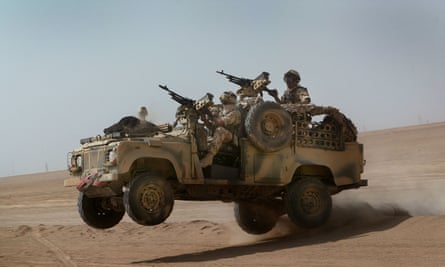
The broader context of NATO defence spending has created numerous opportunities for defence contractors and manufacturers across multiple sectors. Countries including Poland, Germany, France, and the Nordic nations have all increased their military budgets substantially, seeking to strengthen their defensive capabilities and interoperability with allied nations. This sustained increase in defence expenditure has created a seller's market for manufacturers capable of delivering specialized military equipment on tight timelines and at scale.
The competitive landscape for this particular contract is substantial, with several other automotive and defence manufacturing companies reportedly in contention for the award. Companies with experience in military vehicle production, including those with existing relationships with defence ministries and proven track records of successful large-scale government contracts, have all positioned themselves as viable candidates. The selection process will likely emphasize factors such as production capacity, technical innovation, cost competitiveness, supply chain resilience, and the ability to meet aggressive delivery timelines.
Successful execution of a contract of this magnitude would provide significant benefits to the winning manufacturer, including long-term revenue stability, workforce expansion opportunities, and strengthened relationships with government procurement agencies. For Jaguar Land Rover and General Motors, securing this contract would validate their strategic pivot toward the defence sector and potentially open doors to additional military procurement opportunities both within the UK and among other NATO allies seeking similar vehicle solutions.
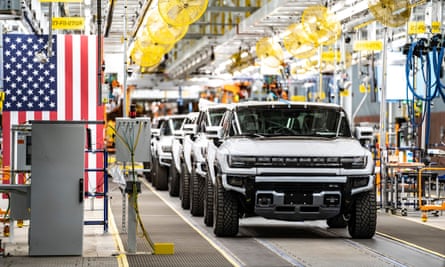
The modernization of military vehicle fleets represents a critical priority for armed forces across developed nations. Aging equipment poses operational risks, increases maintenance costs, and may lack the technological capabilities required for modern military operations. New vehicles can be equipped with advanced communication systems, enhanced protection features, and improved fuel efficiency, providing significant operational advantages while reducing lifecycle costs compared to maintaining older models.
The technical requirements for military-grade 4x4 vehicles extend far beyond standard commercial specifications. These vehicles must perform reliably in diverse environments ranging from arctic conditions to desert terrains, accommodate specialized equipment installations, provide adequate protection for personnel, and maintain high reliability rates with minimal downtime. Manufacturers bidding for such contracts must demonstrate comprehensive testing programs, quality assurance protocols, and contingency planning to ensure delivery obligations are met consistently throughout the contract period.
This contract opportunity highlights the evolving relationship between the automotive industry and the defence sector. As traditional consumer vehicle markets mature and face disruption from electrification and changing ownership models, defence procurement represents an attractive alternative revenue stream for established manufacturers. The long-term nature of government contracts, combined with stable demand and substantial order volumes, provides a counterbalance to the volatility and competitive pressures prevalent in civilian automotive markets.
The financial implications of winning this £900 million contract extend beyond the immediate revenue figure. Successful manufacturers gain access to repeat business opportunities, potential contract extensions, and the credibility that comes with major government awards. Additionally, the manufacturing expertise and supply chain relationships developed through military vehicle production can often be leveraged for other defence-related projects and international opportunities with allied nations.
As negotiations progress and technical proposals are evaluated, the automotive industry will be closely watching this procurement process. Success in major defence contracts can reshape a company's strategic direction and market positioning for years to come. For Jaguar Land Rover and General Motors, this opportunity represents a significant chapter in their respective companies' evolution and their commitment to diversifying beyond traditional consumer vehicle markets into the stable and strategically important defence sector.
Source: The Guardian


