
Judge Condemns 'Legally Deficient' Jail Conditions for Trump Gala Suspect

US magistrate judge expresses concern over treatment of Cole Allen, accused in Trump gala shooting attempt, citing suicide watch placement and solitary confinement.
A federal judge delivered a striking rebuke on Monday regarding the incarceration conditions experienced by Cole Allen, the man accused of attempting to assassinate Donald Trump at a high-profile Washington DC gala. US Magistrate Judge Zia Faruqui issued a formal apology to Allen, expressing deep concern over what he characterized as legally deficient treatment within the nation's capital detention facility. The judge's unusual statement highlighted a series of restrictive measures imposed on the suspect, raising questions about proper detention procedures and constitutional protections.
According to court proceedings, Allen faced an array of severe restrictions while awaiting trial for his alleged involvement in a shooting incident on April 25. The suicide watch placement proved particularly controversial, as Judge Faruqui emphasized that Allen exhibited no documented suicidal tendencies or behaviors that would justify such precautionary measures. Additionally, Allen was isolated from other inmates in what amounts to solitary confinement, a practice reserved for the most serious security concerns or disciplinary violations. The denial of basic items, including a Bible, further compounded the judge's concerns about the appropriateness of his detention conditions.
Judge Faruqui's statement took on additional significance given Allen's background. As a person with no prior criminal history, the judge noted that the severity of restrictions appeared disproportionate and unnecessary. The magistrate expressed his disturbance at the disconnect between Allen's profile and the treatment he received, suggesting that standard detention protocols may have been unnecessarily escalated. This judicial commentary underscores broader questions about how the criminal justice system handles high-profile cases and whether extraordinary measures become routine when national security concerns intersect with prosecution.
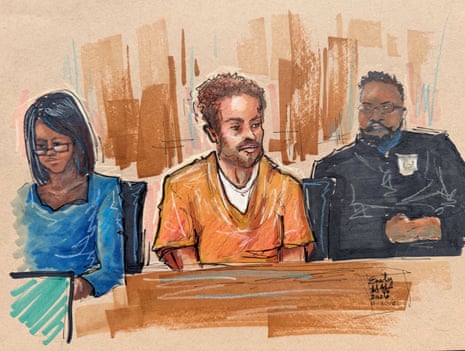
The alleged incident that brought Allen into federal custody occurred during a Trump administration press gala on April 25, where he allegedly discharged a shotgun in what authorities characterized as a foiled assassination attempt targeting Trump and other senior administration officials. The nature of the allegations explains the heightened security protocols initially implemented, yet Judge Faruqui's intervention suggests that detention procedures may have exceeded what the law permits, even in cases of alleged violence against prominent political figures. The judge's apology reflects a judicial recognition that constitutional protections must be maintained regardless of the seriousness of charges or the status of the alleged victim.
This case illuminates the tension between security concerns and constitutional rights that emerges in high-profile criminal prosecutions. Federal authorities, operating under pressure to secure suspects in cases involving threats to national leadership, may implement more restrictive measures than standard procedures would allow. However, Judge Faruqui's intervention demonstrates that the judiciary serves an essential check on such practices, ensuring that even suspects facing grave charges maintain baseline protections. The judge's public criticism of detention conditions sends a signal to detention facilities and law enforcement agencies that courts will scrutinize the justification for extraordinary measures.
The denial of religious materials presents another layer of concern addressed by the magistrate judge. Access to religious texts and spiritual support has long been recognized as a fundamental right within the American correctional system, particularly for inmates awaiting trial who have not been convicted. By confining Allen to conditions that prohibited access to a Bible, the detention facility may have violated established protocols governing the treatment of pre-trial detainees. Such restrictions, while theoretically defensible in extreme circumstances involving security threats, appear to have been applied without clear justification in this instance.
The solitary confinement aspect of Allen's detention raises additional constitutional questions. Prolonged isolation can constitute cruel and unusual punishment under the Eighth Amendment, particularly when applied to pre-trial detainees who retain a presumption of innocence. While jails maintain authority to separate inmates for legitimate security reasons, the blanket isolation of Allen from the general population without documented behavioral problems or escape risks suggests an overly broad application of discretionary authority. Judge Faruqui's criticism implies that facility administrators may have relied on blanket policies rather than individualized assessments of genuine security needs.
This judicial intervention also carries implications for how the criminal justice system navigates cases that intersect with national security and political sensitivity. When high-profile figures become victims of alleged violent crimes, institutions often respond with heightened caution and restrictive measures that can exceed legal bounds. Judge Faruqui's statement serves as a reminder that constitutional protections cannot be suspended or significantly eroded simply because a case involves prominent individuals or significant national interest. The judge's approach emphasizes that the rule of law must prevail consistently, applying equally to ordinary citizens and suspects in extraordinary circumstances.
The magistrate judge's public apology also reflects evolving standards regarding transparency and accountability within the criminal justice system. Rather than allowing detention conditions to remain unexamined, Judge Faruqui made his concerns visible to the public and legal community. This transparency can drive systemic improvements, encouraging detention facilities to review their policies and administrators to implement more measured approaches to security concerns. The judicial rebuke creates a documented record that may influence future detention decisions in similar high-profile cases.
Looking forward, this case may influence how federal facilities balance legitimate security concerns with constitutional and statutory protections for detainees. The message from Judge Faruqui suggests that future detention decisions in politically sensitive cases should be grounded in specific, articulable security justifications rather than categorical restrictions applied to entire classes of inmates. Detention administrators will likely face increased scrutiny when imposing measures like suicide watch placement without clear medical or behavioral indicators, isolation from the general population without documented reasons, or restrictions on access to religious materials without specific security justifications.
The treatment of Cole Allen in federal custody exemplifies how even in serious criminal matters involving alleged threats to national leadership, fundamental legal and constitutional principles must be preserved. Judge Zia Faruqui's unprecedented apology and criticism of the detention facility's practices underscore that law enforcement and corrections officials cannot use high-profile cases as justification for abandoning established legal frameworks. As the case proceeds through the judicial system, his intervention may well reshape how similar situations are handled, ensuring that the pursuit of justice remains compatible with constitutional protections for all individuals, regardless of the gravity of accusations against them or the prominence of their alleged victims.


