
Kansas City Schools Deploy 4,500+ MacBook Neos

Kansas City public schools transition to all-Apple ecosystem, replacing 30,000 Windows and Chromebook devices with MacBook Neos for enhanced student learning.
Kansas City's public school district has made a significant technological investment by purchasing over 4,500 MacBook Neo devices for its students, marking a major shift in the district's approach to educational technology infrastructure. This substantial acquisition represents one of the most ambitious technology deployment initiatives undertaken by a major U.S. school district in recent years, signaling a deliberate move toward standardizing on Apple's ecosystem across all of its educational facilities.
The initiative will fundamentally transform the technological landscape of Kansas City's schools by systematically replacing approximately 30,000 existing Windows and Chromebook devices that have been distributed throughout the district's public school system. This comprehensive modernization effort reflects the district's commitment to providing students with consistent, high-quality computing experiences and aligns with broader trends in education technology where school administrators seek to consolidate their device portfolios around unified platforms.
The MacBook Neo, Apple's latest entry-level laptop offering, has emerged as an attractive option for educational institutions seeking cost-effective solutions without compromising on quality or performance. These devices are specifically designed to meet the needs of students and educators, offering sufficient computational power for academic work, creative projects, and digital learning initiatives while maintaining the reliability and security features that school districts increasingly prioritize.
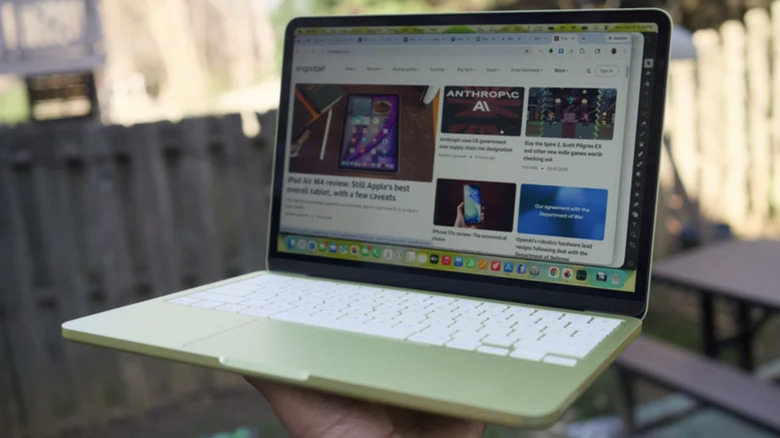
The transition to an all-Apple district model provides Kansas City schools with several strategic advantages that extend beyond simple device replacement. By consolidating their technology infrastructure around Apple's ecosystem, the district can streamline IT support operations, reduce training complexity for staff, and leverage the growing availability of educational software and applications optimized specifically for macOS platforms.
This modernization effort comes at a time when educational institutions nationwide are reassessing their technology strategies in light of evolving student needs and emerging digital competencies. The shift from a fragmented multi-platform environment featuring Windows PCs and Google Chromebooks to a unified Apple ecosystem represents a significant philosophical change in how Kansas City approaches technology-enabled learning.
The implementation of 4,500+ MacBook Neos will be distributed across the district's various schools, ensuring that students at different educational levels—from elementary through high school—have access to comparable computing resources. This standardized approach helps eliminate disparities in technology access that often exist between well-funded and under-resourced schools within the same district.
School administrators have emphasized that this technology initiative is not merely about replacing old hardware with new equipment, but rather about creating an integrated digital learning environment that supports 21st-century educational outcomes. The MacBook Neo devices will enable students to engage with sophisticated educational applications, participate in collaborative digital projects, and develop technology literacy skills essential for success in higher education and modern careers.
The financial commitment required to purchase and deploy over 4,500 MacBook Neos across the district underscores the importance that Kansas City's education leadership places on technology infrastructure. District officials have worked to secure funding through various channels, including state education budgets, federal technology grants, and potentially district bonds, to make this comprehensive modernization possible.
Beyond the initial hardware purchase, the district has had to consider substantial associated costs including device management software, teacher professional development programs, curriculum integration planning, and ongoing technical support infrastructure. These ancillary expenses are critical components of successful educational technology implementations and often represent a significant portion of the total project investment.
The transition to an all-Apple district model also has implications for educator training and curriculum development across Kansas City schools. Teachers must become proficient with macOS operating system features, Apple-specific software applications, and classroom management tools designed for Apple devices, requiring comprehensive professional development initiatives to ensure successful implementation.
Kansas City's decision to embrace the MacBook Neo reflects broader industry trends demonstrating growing Apple adoption in education sectors. Many educational leaders view Apple's commitment to privacy, security, and educational partnerships as particularly valuable for K-12 environments where student data protection and age-appropriate digital experiences are paramount concerns.
The MacBook Neo's design specifically considers the needs of educational users, incorporating features such as durable construction to withstand typical school environments, extended battery life for full-day classroom use, and simplified setup and management capabilities that reduce IT department workload. These practical considerations make the device well-suited for institutional deployment rather than individual consumer purchase.
Looking forward, Kansas City's investment in this educational technology transformation positions the district to better serve student populations with increasingly sophisticated digital learning expectations. The standardized Apple ecosystem will provide a foundation for implementing emerging educational technologies and pedagogical innovations that require reliable, modern computing infrastructure.
The successful deployment of 4,500+ MacBook Neos across Kansas City schools will likely serve as a case study for other school districts considering similar technology modernization initiatives. Education technology leaders from other regions will be watching how Kansas City manages the transition, measures outcomes, and overcomes implementation challenges, potentially influencing technology purchasing decisions across the broader education sector.
Source: Engadget


