
Katherine Parkinson Praises Rivals for Bold Female Perspective

Bafta-winning actress Katherine Parkinson celebrates the TV series Rivals for its groundbreaking portrayal of women's sexuality and perspectives on sex.
Katherine Parkinson, the acclaimed Bafta-winning actress, has emerged as a strong advocate for the television series Rivals, highlighting its innovative and daring approach to depicting female sexuality on screen. During a recent preview screening held in Bristol, the city where significant portions of the series were filmed, Parkinson delivered enthusiastic remarks about how the show breaks new ground in television storytelling by centering a woman's perspective on intimate relationships and desire.
In her comments at the screening event, Parkinson, who portrays the character of Lizzie Vereker—a romance novelist navigating complex personal and professional relationships—emphasized the critical importance of featuring authentic female viewpoints in contemporary television programming. She pointed out a glaring gap in the current television landscape, noting that there remains a troubling scarcity of content that genuinely captures and explores the female experience of sexuality from a woman's authentic point of view rather than through a male-centric lens.
The actress's remarks underscore a broader conversation within the entertainment industry about representation and the narratives that dominate prime-time television. Rivals, based on the popular novel by Jilly Cooper, represents a significant shift in how television adaptations approach mature themes and romantic storylines. Rather than sanitizing or simplifying these elements for mainstream audiences, the series commits to presenting complex, nuanced portrayals that honor the source material's commitment to depicting human relationships with sophistication and candor.
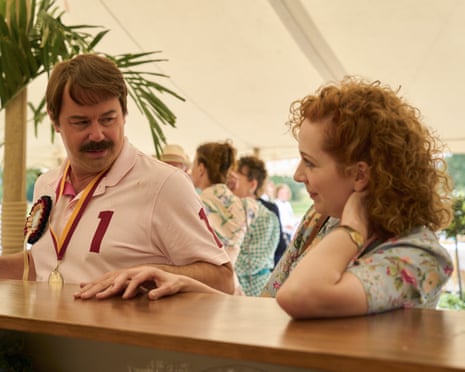
Parkinson's perspective as a performer brings valuable insight into how contemporary actresses are increasingly seeking roles that challenge conventional storytelling tropes. By voicing her appreciation for the show's willingness to embrace what she terms a radical approach to female sexuality, she highlights how progressive storytelling can attract serious talent to projects. Her comments suggest that actors and actresses are actively choosing projects based on their commitment to authentic representation and meaningful narrative content.
The Rivals TV series has garnered attention not only for its ambitious scope and high production values but also for its commitment to adapting Jilly Cooper's 1988 novel with fidelity to its original vision. The source material was considered controversial and groundbreaking when first published, with its frank discussions of desire, ambition, and human connection. The television adaptation honors this legacy while introducing these themes to contemporary audiences who may be encountering Cooper's work for the first time through this medium.
Bristol, the filming location that Parkinson mentioned during the preview screening, played a crucial role in bringing the series to life. The city's distinctive architecture and landscape provided the perfect backdrop for telling this multi-generational story about love, ambition, and the intricate dynamics of personal relationships. The decision to film extensively in the region connected the production to its narrative settings in meaningful ways that enhance the viewing experience.
Parkinson's remarks also reflect a broader industry trend toward female-centered storytelling and more equitable representation behind and in front of cameras. The entertainment industry has increasingly recognized that audiences—particularly female audiences—are hungry for content that presents complex, multidimensional female characters with agency, desire, and authentic perspectives. This demand has driven networks and streaming platforms to invest in projects that prioritize these narratives.
The Bafta-winning actress's career trajectory demonstrates her consistent selection of challenging roles that allow her to explore nuanced character development. Her portrayal of Lizzie Vereker in Rivals continues this pattern, offering her an opportunity to inhabit a character whose relationship with sexuality and identity forms a central element of her arc throughout the series. The character allows Parkinson to demonstrate the range and depth that have made her a respected figure in British television and film.
The significance of Parkinson's endorsement extends beyond simple promotional value for the series. As a recognized and respected figure in the industry, her articulation of why this particular project matters—specifically its commitment to depicting women's perspectives on sex and desire—carries weight with both audiences and industry professionals. Her willingness to publicly champion the show's approach contributes to broader conversations about the kinds of stories that merit investment and attention.
Looking at the broader context of contemporary television drama, Rivals emerges as a significant entry in an evolving landscape. The series joins other recent productions in recognizing that mature audiences expect sophisticated handling of adult themes and relationships. Rather than treating female sexuality as a taboo or marginal subject, the show integrates these elements into its narrative fabric as essential components of its characters' humanity and complexity.
The preview screening in Bristol provided an ideal setting for this conversation about representation and storytelling, given the city's cultural significance and its role in the series' creation. By hosting the event where much of the actual filming took place, producers and network representatives demonstrated their commitment to engaging with local communities and audiences who contributed to bringing the story to life. This gesture also emphasized the production's deep connection to its setting and the people within it.
Parkinson's comments ultimately serve as a reminder that contemporary television audiences, particularly women, are seeking and deserving of content that treats them as intelligent consumers capable of engaging with complex, mature themes presented with nuance and authenticity. Her praise for Rivals' approach to female sexuality represents more than appreciation for a single project; it reflects advocacy for a more inclusive and representative television landscape where women's experiences, desires, and perspectives receive the same serious consideration and creative attention traditionally afforded to male-centric narratives.
As the series continues to develop audience interest and critical attention, comments from respected figures like Parkinson help shape the cultural conversation around what kinds of stories matter and why representation in storytelling remains essential. Her willingness to enthusiastically champion the show's bold approach to depicting female perspectives on intimacy contributes meaningfully to ongoing discussions about the future direction of television drama and the commitment required from creators and networks to tell more complete, authentic human stories.


