
Kevin Warsh: Trump's Fed Chair Pick Faces Confirmation Scrutiny

Kevin Warsh, Trump's choice to lead the Federal Reserve, faces confirmation hearing questions. His Trump backing could be both his strength and liability.
Kevin Warsh, a prominent figure in financial circles, stands at the center of a potentially contentious confirmation battle as Donald Trump moves forward with his nomination for the next chair of the Federal Reserve. At 56 years old, Warsh brings an impressive résumé that includes Ivy League credentials, extensive Wall Street experience, and years of service as a presidential adviser. On paper, his qualifications appear tailor-made for one of the most influential positions in global finance.
The Federal Reserve chair role represents the world's most consequential central banking position, wielding enormous influence over monetary policy, interest rates, and economic stability worldwide. Warsh's background seems to check every box required for the position. His education, professional achievements, and deep understanding of financial markets have positioned him as a serious contender. However, the path to confirmation may prove more complicated than his qualifications suggest, particularly given the unusual dynamics surrounding his nomination.
The central tension in Warsh's candidacy revolves around his most significant advantage: his close relationship with Donald Trump. While Trump's endorsement carries considerable weight within Republican circles, it simultaneously presents substantial challenges. Trump's approach to the Federal Reserve and its leadership has been unconventional, to say the least, raising questions about the independence and impartiality that the role traditionally demands.
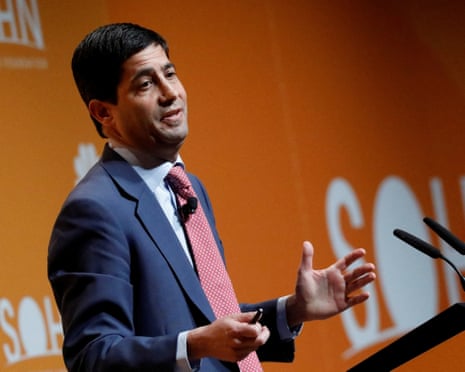
During his second term, Trump's criticism of the Fed has reached unprecedented levels, both in frequency and intensity. The current Fed Chair, Jerome Powell, appointed by Trump during his first administration, has become a particular target of the president's ire. Trump has leveled personal attacks against Powell with language that breaks traditional norms governing discussions of central bank leadership. The president has publicly called Powell a "jerk," used derogatory terms to describe him as a "stubborn MORON," and repeatedly threatened to remove him from office despite the Fed chair's legally protected tenure.
This extraordinary public campaign against Powell represents a significant departure from historical precedent. Previous presidents, even those frustrated with Fed policy, generally maintained a degree of professional courtesy and avoided direct personal attacks on central bank leadership. Trump's willingness to publicly lambast the Fed chair and threaten his removal underscores the politicization of monetary policy that concerns many economists and financial observers. For Warsh, this creates a complicated narrative surrounding his nomination.
The Fed's independence from political pressure stands as a cornerstone principle of modern central banking. Markets and economists widely recognize that central banks function most effectively when insulated from short-term political pressures and allowed to make decisions based on economic data and long-term stability considerations. Warsh will undoubtedly face pointed questions during his confirmation hearing about how he would navigate pressure from Trump to pursue specific monetary policies, particularly regarding interest rate cuts.
Trump has consistently pushed for lower interest rates, viewing them as beneficial for economic growth, asset prices, and his political fortunes. During his first term, he pressured Fed leadership to cut rates, and there is every indication he intends to pursue similar policies during his second term. For Warsh, the challenge will be demonstrating to senators and the public that he can resist inappropriate political pressure while still being responsive to legitimate economic considerations that might warrant rate adjustments.
Warsh's Wall Street background also presents complications in the current political environment. Progressive critics and populist members of both parties have increasingly scrutinized Federal Reserve leadership for perceived conflicts of interest or excessive deference to financial industry interests. Warsh's extensive career in banking, while demonstrating deep expertise in financial markets, may invite questions about whether he can represent the broader public interest rather than narrow Wall Street concerns.
The confirmation process will likely intensify scrutiny of Warsh's previous positions and statements regarding monetary policy. His views on inflation, employment targets, and the appropriate role of the Fed in managing various economic challenges will all come under examination. Senators will probe his perspectives on quantitative easing, financial regulation, and the Fed's relationship with Congress. These questions matter not just for assessing Warsh's fitness for office but for understanding how he might navigate the political pressures from Trump.
Warsh will need to articulate a clear vision for monetary policy that demonstrates both economic competence and commitment to institutional independence. He must convince skeptical senators that he won't simply rubber-stamp Trump's preferences for lower rates regardless of economic conditions. Simultaneously, he needs to maintain sufficient credibility with Trump to secure the president's continued support through the nomination process. This balancing act presents the central challenge of his confirmation hearing.
The broader context of Trump's economic agenda adds another layer of complexity. The president has indicated plans for significant tariffs, substantial tax cuts, and expansionary fiscal policies. These initiatives could have inflationary consequences, creating a situation where the Fed might need to maintain or even raise interest rates to prevent overheating. Such a scenario would pit Trump's policy preferences directly against sound economic management, placing Warsh in an extraordinarily difficult position.
Beyond the personal and political dimensions, the stakes of the Fed chair selection extend to global financial markets and the international economy. The Federal Reserve's decisions ripple across world markets, influencing currency values, capital flows, and economic conditions in trading partners. Any perception that Fed policy might become unduly politicized could shake confidence in American financial institutions and potentially trigger market instability. This global dimension underscores why the confirmation process deserves careful scrutiny.
Historical perspective illuminates the significance of this moment. The Federal Reserve was established, in part, to provide a buffer against the political pressures that had previously contributed to monetary instability and economic crises. Warsh's nomination will serve as a crucial test of whether that institutional independence remains sacrosanct or whether it has become negotiable in contemporary politics. The confirmation hearing will reveal much about current attitudes toward central banking and political influence over monetary policy.
As Warsh prepares for his confirmation hearing, he faces an unusual situation where his greatest strength—Trump's backing—simultaneously represents his most significant vulnerability. He must navigate complex questions about Fed independence, demonstrate economic competence, address concerns about Wall Street influence, and establish that he won't become a mere instrument of presidential economic preferences. The coming weeks will determine not only whether Warsh becomes Fed chair but also what kind of institution the Federal Reserve will become under his leadership and Trump's political pressure.
Source: The Guardian


