
Kim Jong-un Praises North Korean Troops' Extreme Battlefield Tactics

North Korean leader confirms soldiers are instructed to use self-detonation to avoid capture while fighting in Ukraine. Intelligence reports reveal extreme wartime policies.
Kim Jong-un has made a striking public acknowledgment regarding the extreme measures taken by North Korean soldiers deployed to Russia's Kursk region, praising troops who detonated grenades to prevent capture by Ukrainian forces. This marks the first time the authoritarian leader has openly discussed the lengths to which his military personnel go in order to avoid falling into enemy hands during the ongoing conflict in Eastern Europe. The statement represents a significant confirmation of battlefield practices that international observers and military analysts have long suspected.
The revelation comes amid mounting evidence from multiple sources, including intelligence reports and testimonies from military defectors, which have consistently indicated that North Korean soldiers receive explicit instructions to resort to self-detonation, grenade attacks on themselves, or other forms of suicide rather than surrender to opposing forces. These policies reflect deeply entrenched military doctrines within the North Korean armed forces, where capture is viewed not merely as a military defeat but as an existential threat to national security and the regime's stability. The confirmation of these practices provides rare insight into the severity of conditions faced by frontline troops in the Russia-Ukraine conflict.
The deployment of North Korean military personnel to support Russian forces represents a significant escalation in the conflict and signals deepening military cooperation between Pyongyang and Moscow. Thousands of soldiers have been reported fighting in various sectors of the front lines, with concentrated numbers in the Kursk region, which remains one of the most contested and dangerous areas of active combat. The integration of these foreign troops into Russian military operations has introduced new dimensions to battlefield tactics and casualty patterns that military experts continue to analyze and document.
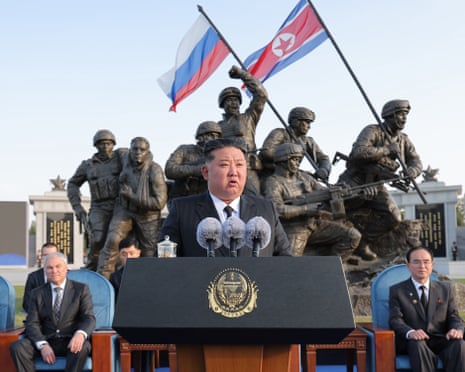
Intelligence agencies from multiple Western nations have compiled evidence suggesting that suicide prevention policies are not merely informal battlefield practices but represent official military doctrine within North Korean units. The explicit nature of these instructions—delivered to soldiers before deployment—underscores the ideological and practical dimensions of how the regime views military engagement and the concept of surrender. This approach reflects broader cultural and political frameworks within North Korea that prioritize loyalty and sacrifice above all other considerations in military service.
The testimonies of defectors who have fled North Korea or deserted from active duty have provided corroborating evidence regarding these extreme wartime protocols. These first-hand accounts describe the psychological conditioning, ideological indoctrination, and explicit training that soldiers receive to prepare them for deployment in foreign theaters of conflict. Defectors have reported that soldiers are frequently told that capture would result in torture, interrogation, and inevitable execution, making self-detonation presented as a more humane alternative by military leadership.
The Kursk region, where Kim Jong-un specifically referenced the self-detonation incidents, has been a focal point of intense fighting since Russian forces launched their initial invasion of Ukraine in February 2022. The border region has experienced repeated territorial changes, with Ukrainian forces mounting counteroffensives to maintain and expand positions won during their surprise incursion into Russian territory. The deployment of North Korean troops to this sector indicates Moscow's desperation for reinforcements as conventional manpower shortages continue to plague Russian military operations.
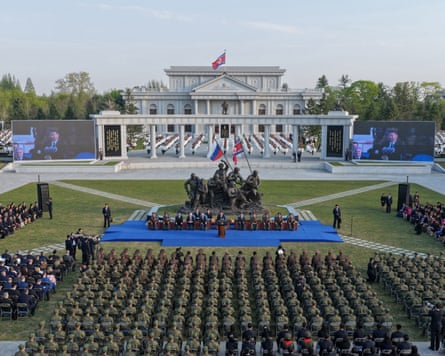
The confirmation by Kim Jong-un of these extreme battlefield practices has significant implications for international humanitarian law and conflict documentation. Human rights organizations and international monitors have begun compiling reports on these incidents, which may contribute to future accountability mechanisms and investigations into war crimes or violations of the Geneva Conventions. The systematic nature of the policy, combined with explicit orders from military leadership, distinguishes these incidents from isolated cases of desperate combat decisions.
Military analysts have noted that the deployment of North Korean forces represents a critical inflection point in the Russia-Ukraine conflict, signaling that Russian military resources have become severely strained. The willingness of the Russian government to deploy foreign troops, particularly those with such extreme doctrinal commitments to suicide rather than surrender, suggests that conventional recruitment and mobilization efforts have reached practical limits. This development also highlights the deepening strategic partnership between Russia and North Korea, which has provided Moscow with critical military supplies and manpower throughout the extended conflict.
The geopolitical implications of this military cooperation extend far beyond the immediate battlefield dynamics in Ukraine. The integration of North Korean troops into Russian operations creates new security concerns for NATO allies, particularly those bordering Russia or within proximity to Ukrainian territory. The deployment also raises questions about the long-term strategic alignment between Pyongyang and Moscow, and whether such cooperation might establish precedents for future military coordination in other regions or contexts.
International response to Kim Jong-un's confirmation of these battlefield practices has been muted but significant, with diplomatic observers noting that such candid admissions are rare from the North Korean leadership. The statement appears designed to demonstrate the commitment and sacrifice of North Korean troops to their Russian allies, potentially as justification for continued military cooperation or additional resource transfers. However, the revelation also exposes the extreme measures that frontline soldiers are subjected to, raising humanitarian concerns among international observers and advocacy organizations.
The ongoing conflict in Ukraine continues to reveal new dimensions regarding military tactics, doctrines, and the human costs of extended warfare. The deployment of North Korean soldiers and their adherence to extreme self-sacrifice protocols represents one of the most striking examples of how the conflict has expanded beyond traditional bilateral Russian-Ukrainian dynamics to incorporate international military participation on an unprecedented scale. As the conflict continues to evolve, the roles and practices of foreign military contingents will likely remain a focus of international scrutiny and analysis.


