
Kim Ju Ae's Fashion Evolution Signals North Korean Leadership

Kim Ju Ae's carefully curated outfits reveal clues about her potential succession as North Korea's next leader. Fashion analysts decode the symbolism.
Kim Ju Ae's wardrobe choices have become the subject of intense scrutiny among political analysts and fashion observers worldwide, as her evolving sartorial selections offer tantalizing glimpses into the inner workings of North Korea's power structure. The youngest daughter of Kim Jong Un has increasingly stepped into the public eye over the past several years, and her carefully orchestrated fashion presentations appear to serve a distinct political purpose beyond mere aesthetic preference. As succession planning remains one of the most closely guarded secrets within the Kim family dynasty, every public appearance and clothing choice has been dissected for hidden meanings and signals about the regime's future direction.
Fashion experts and intelligence analysts have begun noting a distinctive pattern in Kim Ju Ae's sartorial selections that mirrors the public image cultivation strategies employed by her father and grandfather before her. Her outfits increasingly reflect a blend of Western fashion sensibilities and traditional Korean aesthetic values, suggesting a carefully choreographed presentation designed to appeal to both international observers and domestic audiences. The deliberate nature of these choices indicates a level of strategic planning that extends far beyond the typical fashion preferences of a young woman her age, hinting at a broader institutional effort to prepare her for a prominent political role.
The symbolism embedded within her wardrobe choices carries significant weight in understanding North Korean power dynamics. Analysts have observed that Kim Ju Ae's preference for tailored suits and formal attire increasingly mirrors the style choices of her father, Kim Jong Un, suggesting a deliberate effort to establish visual continuity and familial association with current leadership. Colors, cuts, and accessories are chosen with apparent precision, creating a visual narrative that subtly reinforces her connection to dynastic power and state authority. This fashion-based messaging operates within the highly controlled North Korean media landscape, where every detail of leadership presentation is meticulously managed to convey specific political messages to both domestic and international audiences.
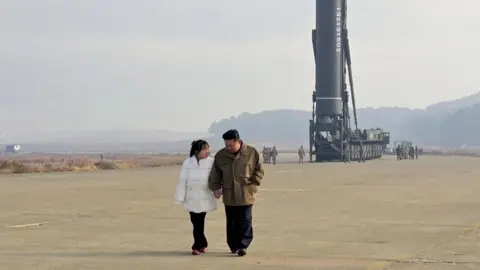
The broader context of North Korea succession planning provides essential framework for understanding why Kim Ju Ae's fashion choices matter so significantly. Throughout the Kim dynasty's history, each successor has undergone a deliberate public presentation strategy designed to establish legitimacy and signal continuity with the regime's founding principles. Kim Il Sung, the regime's founder, carefully cultivated an image of paternalistic leadership through his distinctive Mao suits and measured public appearances. His son, Kim Jong Il, similarly developed a distinctive visual brand through his signature jumpsuits and sunglasses, creating an instantly recognizable silhouette that became synonymous with state authority.
Kim Jong Un, following this established tradition, has utilized fashion and public presentation as tools of political messaging since assuming power in 2011. His choice to wear Western-style suits alongside traditional Korean garments signals a particular vision of North Korea's future, one that attempts to balance modernization with cultural continuity. By presenting himself in this hybrid aesthetic, Kim Jong Un has communicated a subtle message about his leadership style and political priorities. Now, with Kim Ju Ae's increasingly prominent public appearances, observers are watching closely to determine whether she will inherit and adapt these established visual communication strategies.
The significance of Kim Ju Ae's fashion choices extends beyond simple aesthetics into the realm of serious political analysis and intelligence assessment. In closed societies with tightly controlled media environments, the visual presentation of political figures becomes exceptionally important as a communication tool. Every photograph of Kim Ju Ae released through official North Korean channels has been carefully vetted and selected for public consumption, meaning her wardrobe choices in these images represent deliberate decisions by the regime's leadership.
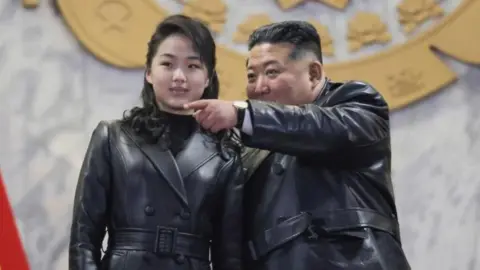
Recent appearances show Kim Ju Ae increasingly adopting formal leadership aesthetics that distinguish her from typical royal family members. Her preference for well-tailored jackets, structured silhouettes, and refined accessories suggests an intentional effort to present herself with the gravitas and authority associated with state leadership. These choices stand in sharp contrast to the more casual fashion sense often displayed by other family members during less formal state occasions, indicating a deliberate strategy to emphasize her elevated status within the family hierarchy. Intelligence analysts monitoring North Korean state media have noted that these styling choices appear coordinated with her expanded public role and increased visibility at major state events.
The timing of these fashion evolution moments coincides notably with Kim Ju Ae's expanded participation in high-profile state functions and public ceremonies. As she has taken on more prominent roles at missile tests, military parades, and other significant state occasions, her wardrobe has simultaneously become more refined and authoritative. This correlation suggests that her fashion development is intentionally synchronized with her expanding responsibilities within the regime, creating a coordinated narrative of rising status and increasing political importance. The regime appears to be using her public image cultivation as a soft introduction to her potential future leadership role.
Comparative analysis with historical succession moments in the Kim dynasty reveals intriguing parallels to Kim Ju Ae's current trajectory. When Kim Jong Un was being prepared for leadership following his father's death in 2011, the regime similarly orchestrated a gradual expansion of his public profile through carefully managed appearances and deliberate visual presentation strategies. His fashion choices during that transition period reflected a similar strategy of establishing authority and legitimacy while maintaining continuity with the dynasty's established power structures. The apparent replay of this pattern with Kim Ju Ae suggests the regime may be following a tested playbook for leadership transition management.
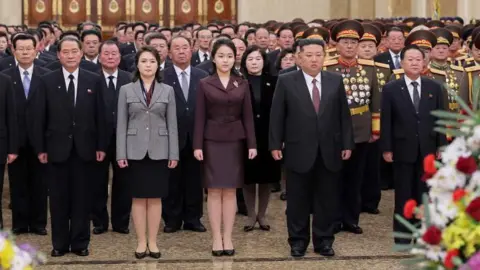
The international significance of these fashion signals extends beyond simple curiosity about North Korean internal politics. Major intelligence agencies and foreign policy experts actively monitor such visual cues as part of their broader efforts to understand the regime's strategic intentions and internal power dynamics. When succession indicators suggest potential leadership transitions, these assessments directly influence international policy decisions regarding sanctions, diplomatic engagement, and security posture vis-à-vis North Korea. Thus, Kim Ju Ae's evolving wardrobe becomes not merely a fashion story but an intelligence matter with genuine geopolitical implications.
Analysts specializing in regime image management note that the North Korean state's traditional approach to leadership presentation relies heavily on visual symbolism and carefully curated public imagery. This stems partly from the regime's understanding that domestic audiences with limited access to independent information rely heavily on official state media presentations to form their understanding of the political hierarchy. By controlling every detail of how leaders are visually presented, the regime exerts significant influence over public perception of authority and power relationships. Kim Ju Ae's fashion evolution must therefore be understood as part of this broader state communication strategy.
Looking forward, observers of North Korean politics anticipate that Kim Ju Ae's public presence will likely continue to expand in carefully orchestrated ways, with her fashion choices continuing to play an important signaling role in communicating her rising importance. Future state events, military ceremonies, and diplomatic occasions will provide additional data points for analysts attempting to gauge the regime's commitment to her succession and her own preparedness for assuming greater responsibilities. The relationship between her expanding public role and her increasingly authoritative fashion presentation suggests that the regime views image cultivation as essential to establishing her legitimacy as a potential future leader. Whether this ultimately leads to her formal designation as successor or represents merely one possible trajectory among several remains unclear, but the deliberate nature of her current image management strongly indicates serious regime investment in her public profile and political positioning.
Source: BBC News


