
King Charles Congress Speech: Media's Take

Explore how UK and US media outlets interpreted King Charles's historic address to Congress during his state visit and meeting with President Trump.
King Charles III made a historic appearance before the United States Congress, delivering a carefully crafted address that captured the attention of major media outlets on both sides of the Atlantic. The state visit marked a significant diplomatic moment, with the monarch's speech to Congress dominating front pages and leading news coverage across the United Kingdom and United States. Media analysts and commentators have been scrutinizing every word and gesture from the royal engagement, offering diverse interpretations of the king's carefully chosen remarks.
The timing and context of King Charles's Congress address proved particularly significant given the contemporary political landscape. His meeting with President Trump and subsequent speech to America's legislative body represented a rare opportunity for the British monarchy to engage directly with the American political establishment. Publications across both nations dedicated substantial coverage to analyzing what the king said, what he appeared to avoid saying, and what those choices might signify about current diplomatic relations and the special relationship between the two nations.
British media outlets provided their own distinct perspective on the royal address, focusing on how the king represented the United Kingdom on the international stage. Commentators examined his rhetoric for any implicit or explicit messages directed at American lawmakers, considering how his words might resonate with both traditional allies and emerging geopolitical challenges. The nuanced language employed by the king became a subject of particular interest, with several publications noting what they characterized as subtle rebuttals woven throughout his remarks.

American news organizations brought their own analytical lens to the proceedings, considering how the royal speech was received by members of Congress and what it signified for Anglo-American relations. Major newspapers and digital news platforms featured the king's address as a leading story, with editorial teams providing context about the significance of a reigning British monarch addressing the full Congress. The coverage reflected broader American interest in the workings of the British monarchy and its symbolic importance in international diplomacy.
One particularly notable aspect of the media coverage involved examining what observers called the king's apparent references to shared values and historical connections between the two nations. Publications across the political spectrum analyzed whether Charles employed his address as a platform to subtly champion particular causes or policy directions. Journalists parsed his language for evidence of diplomatic messaging disguised in the eloquent, formal speech patterns characteristic of royal addresses.
The media interpretation of King Charles's performance during the Trump meeting and congressional address revealed interesting contrasts between British and American journalistic traditions. While some outlets focused on the ceremonial and symbolic aspects of the occasion, others conducted deeper analysis of the political implications. The convergence of the royal visit with contemporary political tensions made the event particularly newsworthy and subject to extensive commentary.
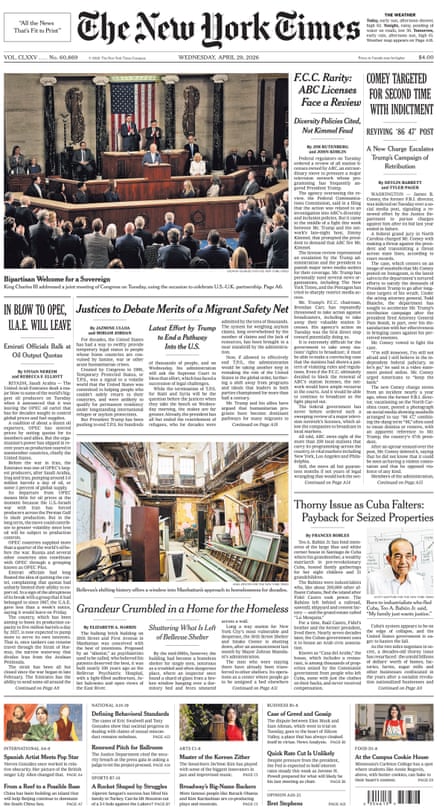
Publications examining the speech noted that King Charles appeared to walk a careful diplomatic line, addressing his American audience while maintaining the dignity and impartiality expected of a constitutional monarch. The choice of topics, the emphasis placed on particular themes, and even the stories or historical references included in his remarks all became subjects of media analysis. Commentators debated whether certain passages constituted what some described as subtle challenges to prevailing political currents or simply reflected the king's genuine convictions about democracy, tradition, and shared purpose.
The broader context of the state visit added layers of meaning to the king's congressional address. His visit to the United States represented not merely a ceremonial gesture but a statement about the importance Britain continues to place on its relationship with America. Media outlets considered how the timing of the visit, the selection of venues, and the composition of accompanying delegations all contributed to the overall message being communicated through this high-profile diplomatic engagement.
Comparative coverage between UK and US media sources revealed interesting differences in emphasis and interpretation. British publications often highlighted how their king represented the nation's interests and values abroad, while American outlets frequently focused on what his presence and words signified about Britain's role in contemporary global affairs. These different perspectives reflected each nation's distinct vantage point and interests in the relationship between the two countries.
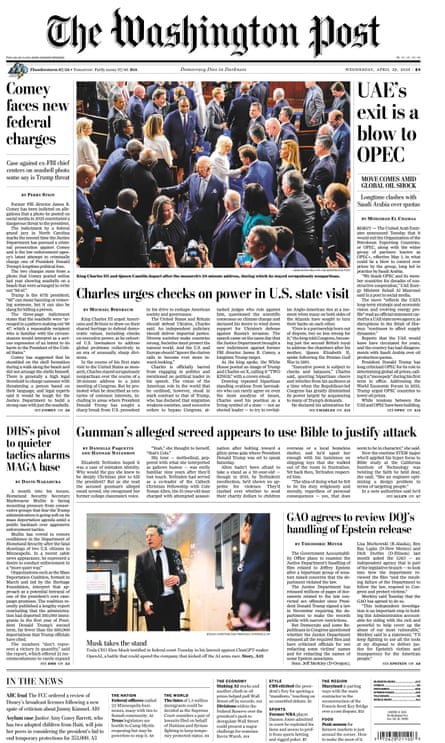
The analysis of King Charles's speech extended beyond immediate reactions to consider longer-term diplomatic implications. Media commentators speculated about how the address might influence future relations between Britain and America, particularly regarding trade, security cooperation, and alignment on international issues. The king's choice to emphasize certain themes over others became material for ongoing discussion about British diplomatic strategy and priorities.
Front-page placement and headline decisions across major publications underscored the significance newspapers assigned to the royal visit and congressional address. The prominence given to the story reflected recognition that King Charles's appearance represented a notable moment in contemporary diplomatic history. Digital platforms similarly featured the event prominently, understanding that readers across both nations maintained significant interest in the proceedings and their implications.
Media organizations employed various tools to provide comprehensive coverage of the occasion, including photo galleries, analysis pieces, biographical background on the king and his role, and expert commentary from diplomatic and political analysts. The multi-platform approach ensured that audiences could engage with the story at whatever depth level interested them, from basic news updates to in-depth examination of the diplomatic nuances underlying the visit and address.
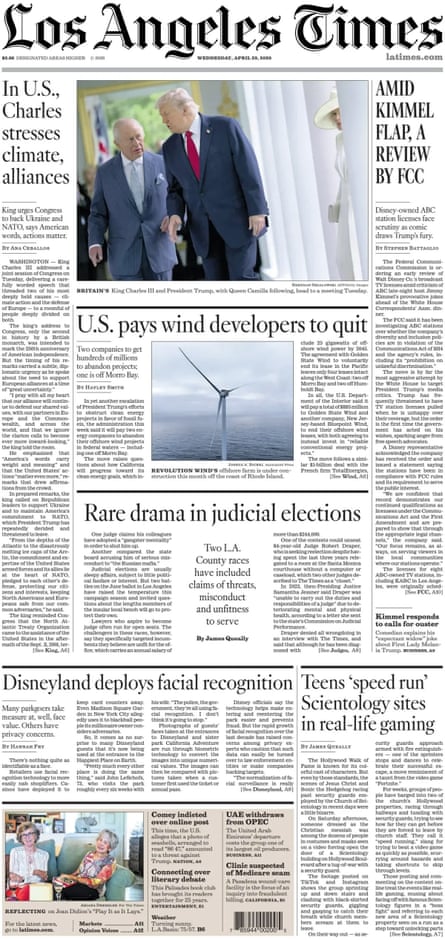
The interpretation of King Charles's remarks ultimately reflected broader questions about the role of traditional institutions in contemporary politics and international relations. His address to Congress represented an opportunity to articulate a vision of democracy, constitutional governance, and shared democratic values at a moment when those concepts faced challenges and scrutiny in both nations. Media coverage grappled with whether the king had effectively communicated such a vision through his carefully crafted remarks or whether his address represented primarily ceremonial symbolism without deeper political content.
As media coverage of the state visit continued in the days following his congressional address, publications refined their analysis and considered longer-term significance. The king's visit and speech became reference points in ongoing discussions about Anglo-American relations, the relevance of constitutional monarchy in the modern world, and the role of formal diplomacy in contemporary international affairs. The initial headlines and front-page coverage represented merely the beginning of extended media engagement with the implications and meaning of this significant diplomatic occasion.
Source: The Guardian


