
Kosovo Court Sentences Serbs to Life for 2023 Monastery Attack

Three Kosovo Serbs receive lengthy prison sentences for deadly 2023 gun battle and monastery siege. Court hands down life sentences and 30-year term.
Kosovo's judicial system has delivered significant verdicts against three ethnic Serbs convicted in connection with a violent and deadly incident that unfolded in 2023. The controversial monastery siege and subsequent gun battle marked one of the most serious security incidents in the region in recent years, drawing international attention and heightening tensions between Kosovo and Serbia. The sentencing represents a major legal development following months of investigation and a closely watched trial that captured the attention of regional observers and international monitors.
Two of the defendants received life imprisonment sentences, while a third individual was handed a 30-year prison term for their roles in orchestrating and participating in the violent assault. The court's decision was based on extensive evidence gathering and testimony presented throughout the legal proceedings. The severity of the sentences underscores the gravity with which Kosovo's judiciary treated the criminal acts, demonstrating commitment to accountability for violence in the region.
The 2023 attack that prompted these convictions involved armed individuals who engaged in gunfire with local security forces while simultaneously attempting to occupy a religious monastery in the disputed territory. The incident resulted in casualties and injuries, with security personnel and potentially civilians affected by the violence. The perpetrators' motivations appeared rooted in ethnic tensions that have long plagued the Kosovo-Serbia relationship, adding a concerning dimension to the already volatile security situation.

The armed conflict that erupted during the monastery siege lasted several hours and required intervention from Kosovo security forces to resolve the standoff. Multiple shots were fired during the confrontation, creating a dangerous situation for both law enforcement personnel and individuals in the vicinity. The incident raised serious questions about security preparedness and the underlying tensions that could trigger such violent episodes in the region.
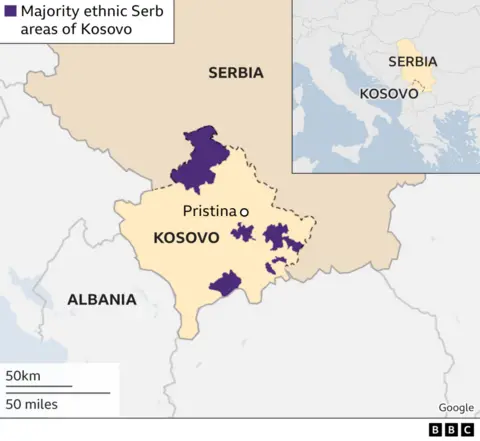
Kosovo, a predominantly Muslim nation that declared independence in 2008, maintains a complicated relationship with its neighbor Serbia, which does not formally recognize Kosovo's sovereignty. The Serb population within Kosovo, particularly in northern areas, has historically experienced tensions with the majority Albanian population. These ethnic divisions continue to influence security dynamics and inform the political context surrounding incidents like the 2023 monastery attack.
The court proceedings that led to these convictions involved detailed examination of evidence including video footage, witness testimony, and ballistic analysis. Prosecutors presented a comprehensive case demonstrating the defendants' involvement in planning and executing the violent assault. The judicial process, while rigorous, has also been scrutinized by international observers monitoring Kosovo's commitment to rule of law and fair trial standards.

International organizations monitoring human rights and regional stability have noted the significance of these convictions in Kosovo's efforts to establish accountability for violence. The European Union and other international actors have emphasized the importance of Kosovo's judiciary functioning independently and delivering justice fairly. These sentencing outcomes are viewed as a test of the country's commitment to upholding law and order across ethnic lines.
The defendants' legal teams have indicated their intention to pursue appeals, suggesting that the case will likely continue through Kosovo's appellate system. The appeals process could take months or years to resolve, potentially keeping the incident in public discourse for an extended period. Such prolonged legal engagement is typical in high-profile cases involving serious crimes and significant political implications.
The monastery siege incident occurred amid broader tensions in northern Kosovo, where Kosovo Serb communities have expressed concerns about their political and economic status. Some observers argue that grievances related to representation, community resources, and regional autonomy may have contributed to the volatile environment that precipitated the violent attack. These underlying tensions remain unresolved despite international mediation efforts.
Security analysts have pointed to this incident as evidence of the fragility of the security situation in the Balkans region, despite decades of international peacekeeping presence. The Kosovo security forces have faced criticism from some quarters for their response to the incident, while others have praised their restraint in managing a dangerous hostage-like situation. The debate over appropriate use of force versus community policing reflects broader discussions within Kosovo's security sector reform efforts.
The convictions of these three individuals represent a significant moment for Kosovo's legal system, which has worked to rebuild and strengthen institutions since the country's emergence as an independent state. The case demonstrates the judiciary's ability to handle complex criminal matters involving ethnic dimensions and serious violence. However, critics argue that more must be done to ensure consistency and fairness in the application of justice across Kosovo's diverse communities.
International commentators have noted that the sentencing carries symbolic weight beyond the individual defendants, representing the state's assertion of authority and rule of law in a region where such authority has historically been contested. The harsh sentences may be interpreted by some as necessary deterrents against future violence, while others might view them as potentially inflaming ethnic tensions. The complex reactions underscore the challenging context in which Kosovo's justice system operates.
The regional implications of these convictions extend beyond Kosovo's borders, as Serbia's government and Serbian civil society have expressed varying responses to the outcomes. Some Serbian officials have questioned the fairness of the trials, while human rights organizations have emphasized the importance of accountability regardless of ethnicity. These divergent reactions reflect the broader political sensitivities surrounding Kosovo-Serbia relations and ethnic dynamics in the Balkans.
Looking forward, Kosovo faces the ongoing challenge of balancing justice with reconciliation, particularly in maintaining social cohesion across ethnic lines. The successful prosecution of these cases may strengthen confidence in the judiciary among the Albanian majority, while potentially deepening concerns among the Serbian minority about fair treatment. This delicate balance will likely continue to define Kosovo's approach to serious crimes and community security in the years ahead.
Source: BBC News


