
Landmark Ruling: The Supreme Court's Controversial 'Conversion Therapy' Decision

The U.S. Supreme Court has issued a landmark ruling against a Colorado law banning 'conversion therapy' for youth. Explore the implications and what's next for transgender and LGBTQ+ rights.
In a highly anticipated and controversial decision, the U.S. Supreme Court has ruled 8-1 against a Colorado law that banned conversion therapy for minors. The ruling has opened a 'can of worms' and could have far-reaching consequences for transgender and LGBTQ+ youth across the country, as well as for the healthcare industry as a whole.
Colorado's 2019 law prohibited licensed clinicians from attempting to change the gender identity or sexual orientation of patients under the age of 18. It was one of 23 states with similar restrictions in place to protect vulnerable youth from the harmful practice of conversion therapy, which has been widely condemned by major medical and mental health organizations as ineffective and potentially devastating.
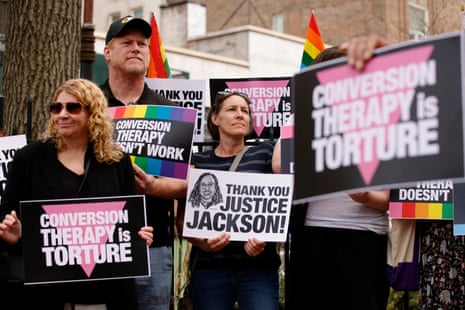
The Supreme Court's ruling, however, has struck down this law, raising concerns about the future of such protective measures in other states. The decision was not entirely unexpected, as the court has taken an increasingly conservative stance on LGBTQ+ rights in recent years, with two liberal justices, Sonia Sotomayor and Elena Kagan, siding with the conservative majority.
The ruling opens the door for licensed therapists to resume efforts to change the sexual orientation and gender identity of minors, despite overwhelming evidence that such practices can lead to depression, anxiety, and even suicidal ideation in young people. Advocates for LGBTQ+ rights fear that this decision could embolden more states to roll back similar protections, further endangering vulnerable youth.
The implications of this ruling extend beyond the LGBTQ+ community, as it could also have significant implications for the broader healthcare industry. By striking down Colorado's law, the Supreme Court has called into question the authority of states to regulate medical practices and professional conduct within their borders, potentially setting the stage for further legal challenges to a wide range of healthcare regulations.
As the dust settles on this landmark decision, legal experts and LGBTQ+ advocates are closely monitoring the fallout, preparing for potential battles in state legislatures and the courts. The future of conversion therapy bans and the rights of transgender and LGBTQ+ youth hangs in the balance, with the full impact of the Supreme Court's ruling yet to be fully realized.


