
Lebanon Faces Uphill Battle in Israel Peace Talks

Lebanon enters critical negotiations with Israel but lacks significant leverage, leaving it at a disadvantage as it tries to resolve long-standing border disputes.
As the Lebanese government heads into highly anticipated peace talks with Israel, it finds itself in a precarious position. With limited influence over the powerful Hezbollah militant group, Beirut enters the negotiations with few cards to play.
Lebanon's Weak Bargaining Power
The country's fragile political and economic situation has significantly eroded its ability to negotiate effectively. Crippled by a severe financial crisis, Lebanon's government is struggling to maintain control and address the needs of its citizens. This lack of domestic stability undermines its negotiating position with the more powerful and resourceful Israeli government.

Moreover, Hezbollah, the influential Shia Muslim group that holds significant sway in Lebanon, has its own agenda that does not necessarily align with the government's. The group's involvement in regional conflicts and its close ties to Iran further complicate Lebanon's position, as it must balance the demands of Hezbollah with its own desire for a successful outcome in the talks.
High Stakes and Uncertain Outcomes
The peace talks themselves are fraught with challenges, as the two sides have been locked in a decades-long conflict over disputed borders and other contentious issues. With the stakes so high, both Lebanon and Israel will be jockeying for position, each trying to maximize their gains while minimizing their losses.
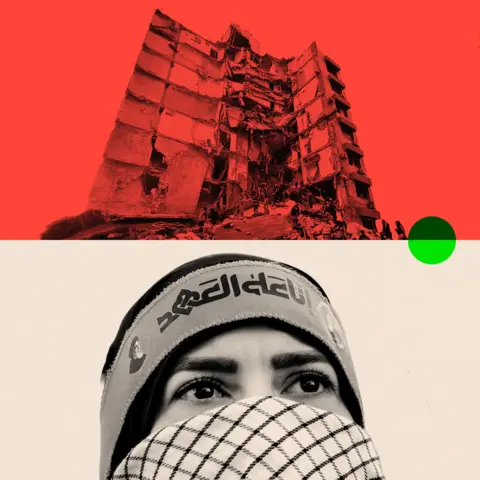
Despite the obstacles, Lebanon is determined to make the most of the opportunity, hoping to resolve the border disputes and potentially unlock access to valuable offshore energy resources. However, its limited bargaining power and the complex regional dynamics at play make the outcome of the talks highly uncertain.
A Delicate Balancing Act
As Lebanon navigates these sensitive negotiations, it must tread carefully, balancing the demands of Hezbollah, the needs of its own citizens, and the expectations of the international community. The country's future stability and economic prosperity may hinge on its ability to navigate this diplomatic minefield successfully.
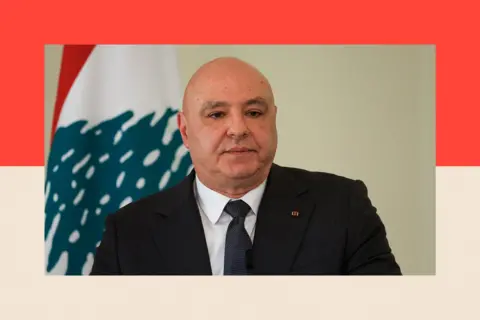
Ultimately, the outcome of these peace talks will have far-reaching implications not only for Lebanon but for the broader Middle East region. The country's leaders will need to demonstrate exceptional diplomacy and strategic foresight to emerge from the negotiations in a stronger position, despite the significant challenges they face.
Source: BBC News


