
London's Child Poverty Crisis: Alarming Levels Reveal Widening Inequality

Data shows London has the highest child poverty rates in England, with over 38% living in relative poverty compared to 29% nationwide. This crisis highlights the growing divide in the capital.
London has emerged as the epicenter of child poverty in England, with data revealing alarming levels of hardship and inequality in the capital. Approximately 38% of children in London live in relative poverty, compared to the national average of 29% across England.
The latest figures paint a stark picture, with some London boroughs reporting that more than half of their young residents are living below the breadline. This crisis is exacerbated by the city's ongoing housing crisis, which has pushed the cost of living to unsustainable levels for many families.
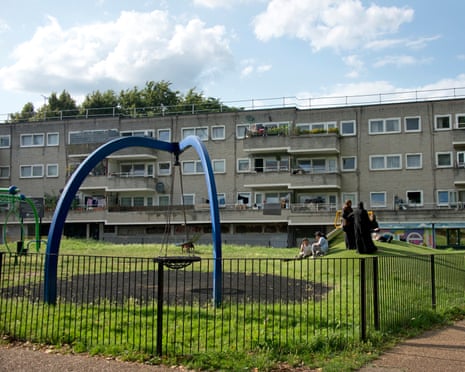
While child poverty rates have remained stagnant nationwide in recent years, the problem has become increasingly concentrated in the capital. Britain as a whole saw around 4 million youngsters (27%) living in households earning less than 60% of the national median income after housing costs are taken into account.
The widening divide in London underscores the need for policymakers to address the systemic issues driving this crisis, from affordable housing to access to education and social services. Tackling child poverty must be a top priority to ensure the city's youngest residents have the resources and opportunities they need to thrive.
Experts warn that the consequences of this crisis will be felt for generations, as children growing up in poverty face significant barriers to upward mobility and long-term well-being. Addressing this challenge will require a multifaceted approach targeting the root causes and providing comprehensive support to struggling families.
As the data lays bare the stark realities of London's child poverty crisis, policymakers and community leaders must come together to develop and implement bold, evidence-based solutions to create a more equitable and prosperous future for the city's children.
Source: The Guardian


