
London Underground Strikes Suspended at Last Minute

RMT union calls off planned 24-hour London tube strikes scheduled for Tuesday, averting major travel disruptions across the capital.
In a dramatic last-minute reversal, the RMT union has announced the suspension of planned London Underground strikes that were set to cause significant disruption across the capital this week. The decision came just hours before the anticipated industrial action was scheduled to commence, bringing relief to millions of commuters who depend on the tube network for their daily transportation needs.
The union confirmed that two consecutive 24-hour stoppages beginning at midday on Tuesday have been shelved, effectively canceling what would have been a four-day period of travel chaos throughout London's transport system. This announcement marks a significant development in the ongoing negotiations between the RMT and Transport for London (TfL) management, as both parties appear to have found common ground on key dispute issues.
The planned tube strikes represented one of the most disruptive transport actions threatened in recent months, with union officials having warned of severe consequences for London's economy and the daily routines of millions of workers, students, and travelers. The suspension demonstrates the power of continued dialogue and negotiation in labor disputes, even when tensions have escalated to the point of organizing industrial action.
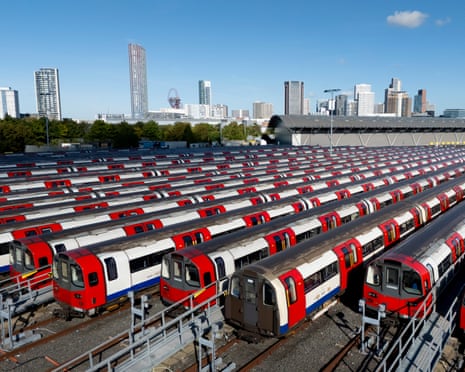
The RMT union, which represents transport workers across the United Kingdom, had previously outlined their grievances regarding pay, working conditions, and job security. These issues had formed the basis of their industrial action plans, which threatened to paralyze one of the world's oldest and most heavily used underground railway systems. The union's decision to suspend the strikes suggests that meaningful progress has been achieved in addressing at least some of these core concerns.
Transport for London officials have also responded positively to the development, indicating that recent discussions have been productive. The organization, which operates the vast network of underground lines serving London and its surrounding areas, has been engaged in intensive negotiations with union representatives to prevent the threatened industrial action.
The timing of this announcement provides considerable relief to London's business community, which had been preparing for the economic impact of widespread transportation disruptions. Major corporations, retail establishments, and service providers throughout the capital had been contingency planning for the possibility of reduced footfall and operational challenges during the planned strike period.
Commuters have expressed cautious optimism following the news, with many noting that the suspension provides them with much-needed certainty for their travel plans. The London Underground, which operates across multiple lines including the Central, Circle, District, Hammersmith and City, Jubilee, Metropolitan, Northern, Piccadilly, Victoria, and Waterloo and City lines, serves millions of passengers daily and forms the backbone of London's public transportation infrastructure.
The suspension of the RMT industrial action also reflects the broader importance of labor negotiations in the UK public sector. In recent years, various union organizations representing transport workers, healthcare professionals, and other essential service providers have engaged in disputes with employers over compensation packages and working conditions, sometimes resulting in strikes that have affected millions of people.
While the immediate crisis has been averted, observers suggest that this suspension may represent only a temporary reprieve rather than a permanent resolution to the underlying disputes. The RMT has historically reserved the right to reinstate industrial action if negotiations fail to produce satisfactory outcomes on the issues that prompted the strike action in the first place.
The transport sector negotiations between the RMT and TfL management will likely continue in coming weeks, with both parties seeking to reach a comprehensive agreement that addresses worker concerns while maintaining operational efficiency and service quality. The union's willingness to suspend the strikes demonstrates confidence that productive negotiations can yield results, though significant work remains to be done.
For London's traveling public, the news of the suspended strikes means that commuting routines can continue uninterrupted, allowing workers to maintain their schedules and businesses to operate normally. Schools, hospitals, and other institutions that rely on the tube network have also welcomed the development, as it eliminates the need for emergency contingency plans.
The suspension serves as a reminder of the critical importance of the London Underground to the city's economy and daily functioning. The network, which first opened in 1863, remains one of the most iconic and essential pieces of infrastructure in the United Kingdom, and any significant disruption to its operations has far-reaching consequences across all sectors of the economy.
As negotiations continue between union representatives and management, stakeholders across London will be monitoring developments closely. The outcome of these discussions will have significant implications not only for the thousands of workers employed by Transport for London but also for the millions of residents and visitors who depend on the underground railway service every day. The swift resolution of labor disputes through negotiation rather than industrial action benefits all parties involved and demonstrates the value of constructive dialogue in resolving workplace disagreements.
Source: The Guardian


