
Mélenchon Confirms 2027 Presidential Run for France

France's radical left leader Jean-Luc Mélenchon announces his fourth presidential campaign, citing Middle East conflict concerns despite previous pledges.
Jean-Luc Mélenchon, the prominent radical left leader and figurehead of France's La France Insoumise (LFI) movement, has officially announced his decision to pursue the presidency once again in the 2027 election cycle. This announcement marks a significant political development in France, as the 74-year-old veteran politician confirmed his candidacy during an exclusive interview with French broadcaster TF1, despite having previously made public statements suggesting he would step aside from future electoral contests.
The decision to launch his fourth presidential campaign represents a notable shift from Mélenchon's earlier rhetoric regarding his political future. In past interviews and public addresses, the La France Insoumise leader had indicated that he might consider retiring from electoral politics and potentially supporting younger candidates within his movement. However, the geopolitical landscape and what he perceives as urgent threats to French sovereignty and international peace have apparently motivated him to reconsider his position and throw his hat into the ring for the 2027 race.
During his appearance on the TF1 evening news program, Mélenchon articulated his primary motivation for running, emphasizing the critical need for France to take a stronger stance regarding Middle East conflicts and what he characterized as military interventions being led by the United States and Israel. The radical left politician has long positioned himself as a vocal critic of Western military interventions abroad and has consistently advocated for multilateral diplomacy and peace-centered foreign policies throughout his political career.
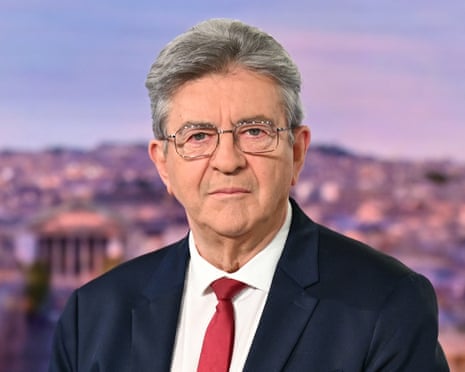
Mélenchon's political journey spans several decades of French politics, during which he has emerged as one of the most influential voices on the left side of the political spectrum. His previous presidential campaigns in 2012, 2017, and 2022 established him as a formidable competitor in French elections, consistently garnering substantial support from voters who prioritize social justice issues, environmental concerns, and anti-establishment politics. His rhetorical style, characterized by passionate speeches and direct engagement with supporters, has cultivated a dedicated base of followers who view him as an authentic representative of working-class and progressive interests.
The La France Insoumise movement, which Mélenchon founded and leads, has developed into a significant political force within France's broader left-wing coalition. The party combines socialist economics with environmental activism and anti-colonial perspectives, positioning itself distinctly to the left of the Socialist Party. This ideological positioning has allowed LFI to attract younger voters and those disillusioned with traditional center-left politics, contributing to its growing electoral relevance in recent French political contests.
The timing of Mélenchon's announcement carries particular significance given the current international tensions and the evolving dynamics of French domestic politics. With France facing economic challenges, questions about European Union integration, and ongoing debates about immigration and national identity, the entry of a left-wing candidate with Mélenchon's profile into the 2027 race will undoubtedly reshape the electoral landscape. His candidacy will likely intensify discussions about France's role in international conflicts and its relationship with NATO and American foreign policy.
Observers of French politics have noted that Mélenchon's 2027 candidacy represents both a continuation of his lifelong political mission and a significant gamble regarding his legacy. At 74 years old, this would likely represent his final opportunity to achieve the presidency, making the stakes particularly high for both the candidate and his supporters. The question of succession within La France Insoumise, should Mélenchon's campaign not result in electoral victory, remains an important consideration for party strategists and analysts monitoring the movement's future direction.
The French political landscape in 2027 will present unique challenges and opportunities for all candidates, including Mélenchon. The incumbent administration's policies, economic conditions, and international developments between now and the election will significantly influence voter preferences and the competitive dynamics of the race. Mélenchon's focus on international affairs, particularly his critique of military interventions in the Middle East, suggests that foreign policy will occupy a central position in his campaign messaging and platform development.
Within La France Insoumise, reactions to Mélenchon's announcement have reportedly been mixed, with some party members expressing enthusiasm for his continued leadership and others questioning whether a younger candidate might better represent the movement's future. This internal debate reflects broader questions about generational change within French left-wing politics and the balance between honoring established leadership and nurturing emerging voices within progressive movements.
The 2027 presidential election promises to be a pivotal moment in French history, with significant implications for European politics more broadly. Mélenchon's candidacy will contribute to a diverse field of candidates representing different visions for France's future. His campaign will likely emphasize themes of social justice, environmental sustainability, and a more independent foreign policy that diverges from traditional Western alliances, positioning him as a distinctive choice for voters seeking radical political change.
Political analysts suggest that Mélenchon's presidential campaign will face both significant advantages and substantial obstacles. His established brand recognition, passionate supporter base, and media presence provide considerable assets for mounting a serious campaign. However, his polarizing position on various issues and his radical policy proposals may limit his broader appeal among centrist and moderate voters who often prove decisive in French presidential runoffs.
The announcement of Mélenchon's candidacy has already begun to generate substantial discussion within French media and political circles, with commentary ranging from supportive to skeptical regarding his prospects and his decision to reverse his earlier statements about stepping aside. This controversy surrounding his reversal demonstrates the intense scrutiny that major political figures face in contemporary politics and the importance of consistency in political messaging for maintaining credibility with voters and party members alike.
As France moves toward the 2027 presidential election, all candidates will be developing comprehensive platforms addressing the nation's pressing challenges, from economic inequality and climate change to immigration and social cohesion. Mélenchon's participation in this process ensures that radical left perspectives will be prominently featured in campaign debates and discussions, providing voters with clear ideological alternatives to mainstream political options. The choice between competing visions for France's future will ultimately rest with the electorate, who will decide whether Mélenchon's fourth presidential bid will finally achieve its ultimate objective.


