
Mac Supply Crisis Deepens: Which Models Face Shortages?

Apple's Mac lineup struggles with supply constraints affecting multiple models. Discover which Macs are hardest to find and where shortages are worsening most.
The Apple Macintosh has maintained its position as one of the most iconic computer platforms for over four decades, and its current momentum represents a significant achievement in the competitive personal computer market. During Apple's recent earnings call, CEO Tim Cook highlighted the Mac division's impressive performance, underscoring the platform's continued relevance and appeal to both longtime enthusiasts and newcomers alike. The executive specifically praised the newly introduced MacBook Neo, which has proven instrumental in expanding Apple's market reach by attracting fresh customers rather than merely encouraging upgrades among existing Mac users.
However, Cook's optimistic assessment was tempered by sobering realities regarding supply chain challenges that are currently constraining Mac production volumes. The company explicitly acknowledged experiencing "supply constraints" across several Mac models, a situation compounded by reduced operational flexibility throughout Apple's complex global supply chain infrastructure. Additionally, Apple disclosed expectations for substantially elevated prices on critical components like RAM, signaling widespread inflationary pressures across the semiconductor and component industries that are directly impacting manufacturing costs and product availability.
The convergence of component shortages—spanning everything from memory modules to solid-state storage solutions to advanced semiconductor manufacturing capacity—has created a precarious situation where Mac demand substantially outpaces available supply. This imbalance represents a significant challenge for Apple's ability to fulfill customer orders in a timely manner, potentially frustrating buyers and allowing competing manufacturers to capture market share during this critical period.

Industry observers and Apple tracking websites have increasingly devoted attention to documenting the ongoing Mac shortage crisis, with regular reporting on supply disruptions occurring with surprising frequency. Multiple outlets now publish several articles monthly documenting the latest developments in Mac availability, each instance cataloging when Apple has been forced to discontinue listings for particular Mac configurations on its official online store or when specific models face extended delivery delays. These detailed accounts provide valuable insight into which models are experiencing the most severe supply pressures and help consumers navigate purchasing decisions during this constrained period.
Recent reports indicate that the MacBook Neo, despite its role as a successful new entrant attracting fresh customers to the Mac ecosystem, has not been immune to supply challenges. Customers interested in purchasing this model have reportedly encountered multi-week delays, with some facing wait times extending up to three weeks or longer depending on configuration and regional availability. The situation underscores how even Apple's most strategically important new products cannot escape the broader component shortage affecting the technology industry globally.
The Mac mini has similarly emerged as a model experiencing notable availability constraints, with Apple periodically removing certain configurations from its online retail platform as inventory becomes depleted. This pattern of intermittent availability reflects the company's struggle to maintain consistent stock levels across its diverse product portfolio, forcing management decisions about which configurations to prioritize for production versus which to temporarily discontinue.

Geography appears to be playing an increasingly important role in determining Mac availability and the severity of delays customers experience across different regions. Some markets have proven more resilient than others, suggesting that Apple's supply chain challenges manifest unevenly depending on regional distribution hub capacity, local manufacturing capabilities, and regional demand patterns. Understanding these geographic variations has become essential for consumers attempting to secure their preferred Mac models in a timely manner.
The Mac Studio, Apple's high-end professional desktop solution, has also featured prominently in shortage reports, with certain premium configurations experiencing extended wait periods or intermittent availability. This model's supply challenges carry particular significance given its positioning in the professional and creative user segments, where reliability and predictable availability are paramount considerations for business-critical workflows.
Broader semiconductor industry dynamics continue to exert pressure on Apple's ability to source critical components required for Mac manufacturing. Despite years of industry focus on addressing chip shortages, structural challenges in advanced semiconductor manufacturing capacity continue limiting production volumes for devices requiring cutting-edge processors and supporting chipsets. These manufacturing bottlenecks translate directly into consumer frustration when attempting to purchase new Mac computers.
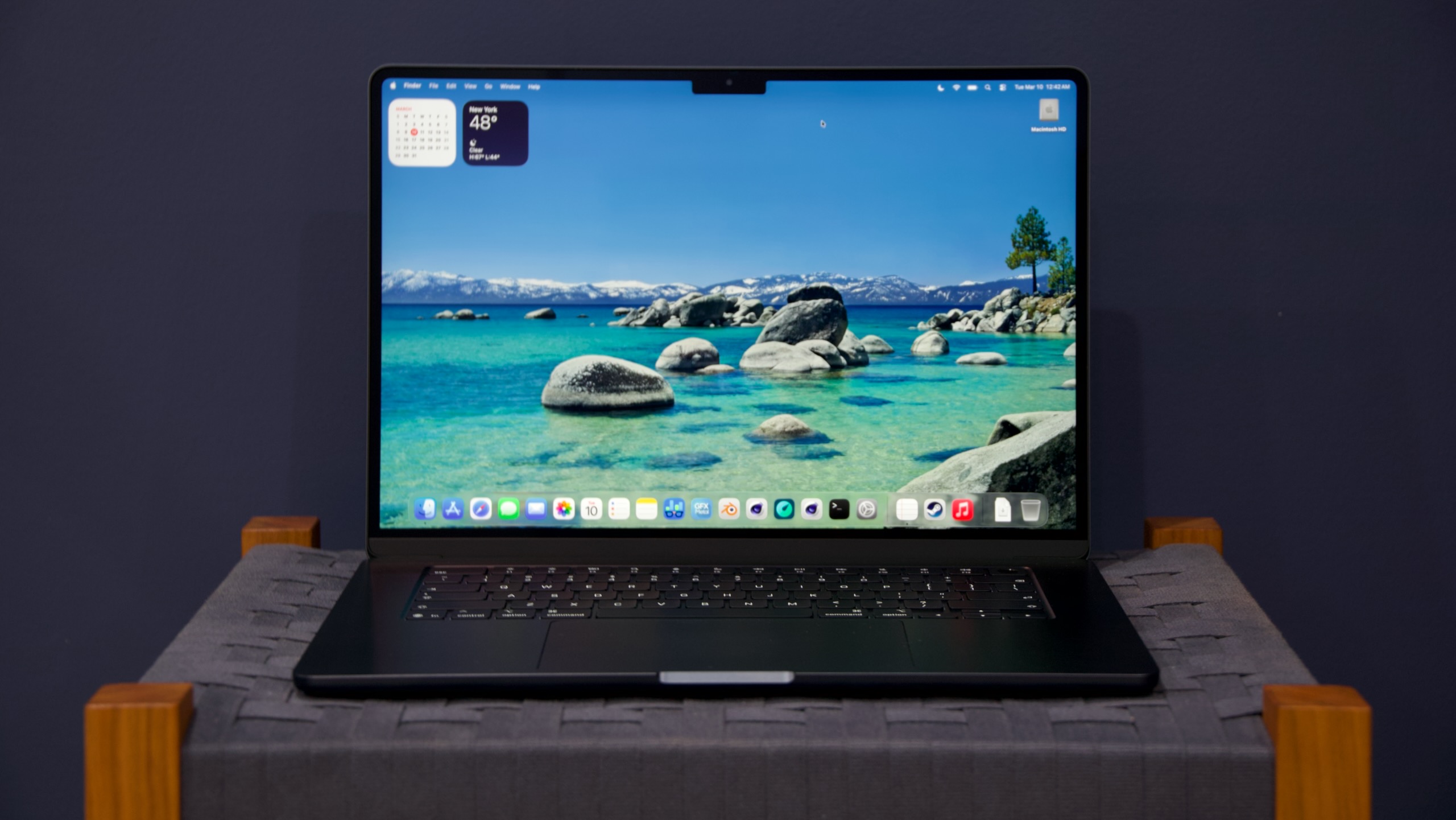
Memory pricing escalation represents another significant factor complicating Apple's supply situation and cost management strategies. As RAM prices climb substantially above historical averages, Apple must navigate difficult decisions about whether to absorb increased costs or pass them to consumers through higher pricing. This dynamic directly impacts the company's ability to maintain the MacBook Neo's competitive positioning as a low-cost entry point into the Mac ecosystem.
The timing of these supply challenges creates additional complications for Apple's broader business strategy. As the company attempts to expand Mac market share among new customer segments and promote its latest models, supply constraints threaten to undermine marketing momentum and customer acquisition efforts. Potential customers encountering multi-week delays may ultimately decide to purchase alternative computers from competing manufacturers rather than wait for Mac availability.
Looking forward, industry analysts expect that Mac supply constraints will likely persist for several quarters as supply chain inefficiencies and component scarcity continue affecting the technology industry broadly. Apple's ability to navigate these challenges while maintaining customer satisfaction and market share growth will significantly influence the company's overall financial performance and strategic position within the increasingly competitive personal computer market.

For consumers considering Mac purchases, the current environment necessitates proactive planning and flexibility regarding timing and configuration preferences. Monitoring Apple's online store regularly, considering alternative configurations that may have better availability, and understanding regional differences in supply availability all represent practical strategies for navigating the current marketplace challenges.
Source: Ars Technica


