
Maersk CEO: Hormuz Strait Reopening Has Minimal Shipping Impact

Maersk's chief executive reveals reopening the Strait of Hormuz would have limited effect on cargo flows, despite shipping costs doubling from conflict-related fuel expenses.
The world's largest shipping company has weighed in on geopolitical tensions affecting global maritime trade, suggesting that the reopening of the Strait of Hormuz would have far less impact on international cargo flows than many industry analysts have predicted. This assessment comes as Maersk, the Copenhagen-based Danish shipping conglomerate, continues to navigate unprecedented challenges in the transportation sector driven by escalating energy costs and regional instability.
Vincent Clerc, who serves as chief executive officer of the Danish shipping group, provided these insights during discussions about the company's operational challenges and financial performance. Clerc emphasized that while geopolitical factors certainly influence shipping routes and logistics strategies, the actual disruption to cargo movement would be relatively constrained. His comments underscore the complexity of modern maritime operations, where multiple factors beyond single geopolitical events shape supply chain resilience and operational efficiency.
The shipping industry has experienced dramatic cost pressures in recent months as conflicts in key maritime regions have forced vessels to take longer, more expensive routes to avoid dangerous waters. The economic ramifications of these detours have cascaded throughout global supply chains, affecting everything from consumer goods pricing to manufacturing timelines. Companies in the sector have had to implement significant operational adjustments to maintain profitability while absorbing these unprecedented cost increases.

According to Clerc's statements, Maersk's fuel costs have increased dramatically since the beginning of the ongoing regional conflict. The company's monthly fuel bill has nearly doubled compared to pre-conflict levels, representing a staggering financial burden on the organization's operations. More specifically, the CEO disclosed that these heightened expenses have added approximately $500 million USD—equivalent to roughly £367 million—in additional costs per month to Maersk's operational budget.
Rather than absorbing these substantial cost increases internally, Maersk has adopted a transparent pricing strategy with its customers. The company has implemented higher freight rates across its service offerings, passing the burden of increased fuel expenses directly to shippers and importers who rely on the company's transportation services. This approach, while necessary for maintaining operational viability, has implications for businesses worldwide that depend on affordable maritime shipping to maintain their competitive advantage in global markets.
The decision to raise freight rates reflects the broader challenges facing the global shipping industry during this period of uncertainty. Many shipping companies have faced difficult decisions regarding how to manage costs that are largely beyond their control. By raising rates rather than attempting to absorb losses, Maersk has chosen a path that ensures the company can continue investing in fleet maintenance, crew welfare, and service quality while remaining financially healthy.
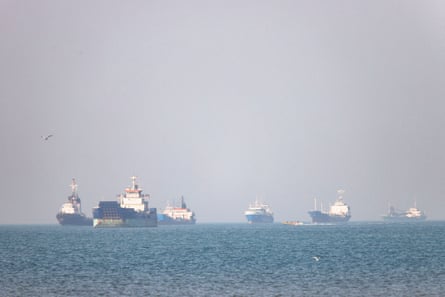
The Strait of Hormuz, one of the world's most critical maritime chokepoints, serves as the gateway through which a substantial portion of global oil and liquefied natural gas flows to international markets. Any disruption to traffic through this narrow waterway has historically created significant ripple effects throughout the global energy markets and shipping industry. The strategic importance of the strait means that any changes to its accessibility or safety profile receive intense scrutiny from governments, shipping companies, and energy producers worldwide.
Clerc's assessment that reopening the strait would have limited impact on cargo flows may seem counterintuitive to those unfamiliar with modern maritime economics and logistics. However, the CEO's perspective reflects the reality that shipping companies have already adapted their operations to account for the strait's current status. Alternative routes, while longer and more expensive in terms of fuel consumption, have become established practices within the industry. Many shipping companies have factored these alternative routes into their standard operational procedures and pricing models.
The energy costs remain the primary concern for shipping executives, even more so than the specific routes vessels must navigate. When fuel prices spike due to geopolitical factors or other supply-side pressures, the impact on company profitability becomes immediate and measurable. Maersk's disclosure of the $500 million monthly increase in fuel costs demonstrates how vulnerable even the largest and most efficient shipping companies are to energy market fluctuations.
The broader implications of Maersk's statements extend beyond the shipping industry itself. As one of the world's largest providers of container transportation and logistics services, Maersk's operational decisions and cost structures influence pricing across international trade. When a company of Maersk's scale raises freight rates, the effects ripple through supply chains affecting manufacturers, retailers, and ultimately consumers across multiple industries and regions.
Industry observers have noted that the current shipping cost environment reflects a delicate balance between supply and demand in the global maritime sector. Companies that can demonstrate pricing power—as Maersk has done—maintain better financial positions than competitors lacking similar market leverage. However, the ability to pass costs directly to customers has limitations, particularly for price-sensitive commodities and routes where competition from alternative providers remains fierce.
Looking ahead, shipping executives and industry analysts will continue monitoring the geopolitical situation and its implications for maritime trade. While Clerc's assessment suggests that opening the Strait of Hormuz would not dramatically alter shipping patterns, any improvements to regional stability would likely reduce costs and provide welcome relief to companies struggling with high fuel bills. The shipping industry's resilience will be tested as it navigates these ongoing challenges while maintaining service quality and profitability.
Source: The Guardian


