
Major Pushback Halts Trump's $400M White House Ballroom Plan

The proposed $400 million addition of a lavish ballroom to the White House has been postponed after a flood of public opposition, signaling growing scrutiny of Trump-era projects.
In a surprise move, the federal panel reviewing Donald Trump's planned $400 million ballroom addition to the White House has postponed an expected vote on the project. The National Capital Planning Commission (NCPC) cited the overwhelming public opposition received during the public comment period as the reason for the delay.
Originally, the NCPC had been expected to cast a final vote on the controversial proposal this week. However, at the start of the meeting, the chair of the commission announced that the vote would now be held on April 2nd, stating that a large amount of public input had been submitted, with a majority opposing the plan.
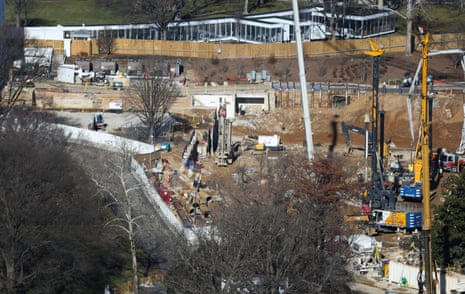
The White House ballroom project has been met with fierce criticism from the public, who have voiced concerns over the exorbitant cost and the optics of such a lavish addition during a time of economic uncertainty. Opponents argue that the funds could be better spent on more pressing national priorities, such as infrastructure, healthcare, or social services.
This postponement signals a growing scrutiny of Trump-era projects and a shift in public sentiment. The decision to delay the vote suggests that the NCPC is taking the public's feedback seriously and is willing to reconsider the proposal in light of the overwhelming opposition.
The proposed ballroom, which would have been located on the White House grounds, was part of a broader plan to modernize and expand the presidential residence. However, critics have accused the project of being a vanity project that would serve to inflate Trump's legacy rather than address the needs of the American people.
As the NCPC prepares to take up the vote next month, the public's voice has clearly been heard. This postponement represents a significant victory for those who have been fighting to curb the influence of wealthy and powerful interests in the political process. It remains to be seen whether the commission will ultimately reject the proposal or find a compromise that addresses the public's concerns.
Regardless of the outcome, this episode serves as a testament to the power of civic engagement and the ability of the public to hold their elected officials and government institutions accountable. As the country continues to grapple with the legacy of the Trump administration, this postponement suggests that the tide may be turning towards a more transparent and responsive government that prioritizes the needs of the people over the vanity of its leaders.
Source: The Guardian


