
Mali's Junta Faces Crisis After Rebel Offensive

Mali's military government confronts serious security challenges following a weekend rebel attack that questions their ability to maintain order and stability.
Mali's military leadership finds itself at a critical crossroads following a devastating weekend offensive by rebel forces that has fundamentally challenged the junta's core legitimacy. When the armed forces seized power in a coup d'état, they justified their actions on the grounds that they would provide superior security and restore order to a nation ravaged by insurgent violence and extremist threats. However, the coordinated attacks that unfolded over the past few days have exposed significant vulnerabilities in the military government's security apparatus and raised serious questions about their ability to fulfill their fundamental mandate.
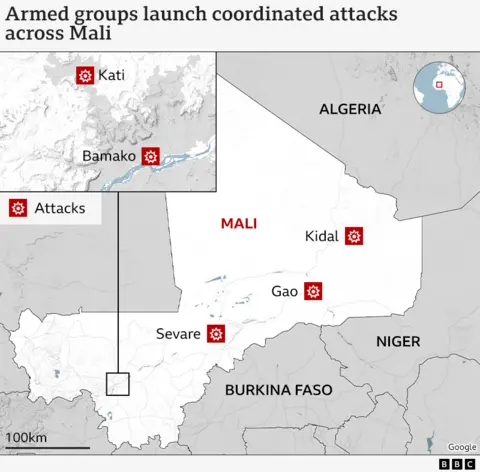
The Mali junta's security strategy has come under intense scrutiny as military analysts and international observers assess the implications of the rebel offensive. The attacks, which targeted multiple strategic locations across the country, demonstrated that insurgent groups maintain substantial operational capacity despite claims of military progress. This development represents a stark contradiction to the narrative the junta has promoted since assuming control, wherein they promised swift and decisive action against armed groups that have destabilized the West African nation for years.
The timing of this offensive could hardly be worse for the military government, which has been working to consolidate power and establish itself as a legitimate governing authority. International pressure has been mounting on the junta to demonstrate tangible improvements in security and governance, and the successful rebel attack undermines their credibility on both fronts. The weekend violence has reignited concerns about whether the military possesses the resources, strategy, and operational competence necessary to address Mali's multifaceted security crisis.
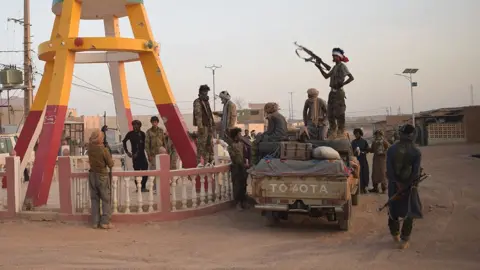
Mali has endured nearly a decade of conflict that has claimed tens of thousands of lives and displaced millions of civilians. The rebel offensive in Mali reflects the persistence of groups opposed to the military government, whether for ideological, political, or territorial reasons. These insurgent organizations have developed sophisticated tactics and command structures that allow them to conduct coordinated operations despite facing military opposition. The weekend's attacks suggest that the junta's counterinsurgency efforts have failed to substantially degrade these groups' capabilities or reduce their willingness to engage in armed confrontation.
One critical question facing Mali's leadership is how they will respond to this military setback. The junta must make difficult decisions about resource allocation, strategic doctrine, and international cooperation in the coming weeks. Will they intensify military operations against rebel strongholds? Will they seek additional international military assistance? Will they attempt to engage in diplomatic negotiations with certain groups while pursuing military action against others? Each approach carries significant implications for Mali's future stability and the junta's political survival.
The international community's perspective on Mali's security situation has become increasingly complicated. Regional organizations like the Economic Community of West African States (ECOWAS) and the African Union have expressed concerns about the junta's governance record, even as they recognize the severity of Mali's underlying security challenges. Foreign powers with strategic interests in West Africa, including France, the United States, and Russia, are monitoring developments closely and may adjust their support and engagement based on the junta's demonstrated capacity to maintain order.
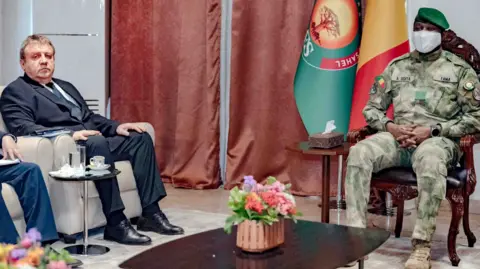
Mali's military government challenges extend beyond the immediate security crisis. The junta must simultaneously address economic hardship, provide basic services to a desperate population, manage international relations, and combat the perception that they are simply another chapter in Mali's long history of military rule. The failure to prevent or rapidly suppress the weekend offensive threatens to undermine public confidence in the military's governance model and resurrect questions about whether a coup was truly the appropriate remedy for Mali's institutional failures.
The rebel groups responsible for the attacks likely calculated that demonstrating military effectiveness could boost their own credibility and attract additional recruits and supporters. By successfully striking at the junta's security apparatus, these organizations send a signal that they remain formidable forces capable of imposing costs on the government. This type of strategic messaging is particularly important in conflicts where insurgent legitimacy depends partly on demonstrating resilience and capability to actual and potential supporters.
Looking ahead, the Mali conflict trajectory will largely depend on decisions made in the coming days and weeks by both the junta and their adversaries. The military government faces pressure to respond forcefully enough to demonstrate resolve and capability while avoiding excessive escalation that could destabilize the country further or undermine civilian support. Meanwhile, rebel groups will assess whether continued military operations are strategically advantageous or whether alternative approaches might prove more effective in achieving their objectives.

Regional stability in West Africa hangs in the balance as Mali's situation evolves. If the junta demonstrates sustained inability to provide security, neighboring countries may face spillover effects including refugee flows, cross-border insurgent activity, and regional destabilization. Conversely, if the military government successfully contains the insurgency and manages the political transition, it could set a positive precedent for other African nations struggling with similar challenges. The stakes extend far beyond Mali's borders and could influence regional dynamics for years to come.
The junta's response to this crisis will also test the commitment and patience of Mali's population. Citizens who tolerated military rule in exchange for promised security improvements may withdraw their acquiescence if attacks continue unabated. This dynamic creates urgency for the military government to demonstrate rapid improvements in security conditions, even though such improvements typically require sustained effort over extended periods rather than quick fixes.
As Mali enters this uncertain period, all parties involved—the junta, rebel groups, regional actors, and international powers—face critical decisions that will shape the nation's trajectory. The military government must prove that seizing power was justified by delivering on its core security mandate. If they fail to do so convincingly and quickly, the legitimacy they claimed when overthrowing the previous government will continue to erode, potentially paving the way for further institutional instability in this troubled West African nation.
Source: BBC News


