
Matt Goodwin's Reform Campaign: The Elusive Candidate Hunt

Reform's Matt Goodwin campaigns in Gorton and Denton byelection, bringing culture war politics to local issues like bin collections and community concerns.
In the heart of Manchester's political battleground, a fascinating transformation is unfolding as Matt Goodwin, the former academic turned political provocateur, attempts to translate his online influence into real-world electoral success. The Gorton and Denton byelection has become a testing ground for Reform UK's ability to convert digital engagement into actual votes, with Goodwin serving as the party's standard-bearer in this crucial political experiment.
The scene outside the modest parish church in Levenshulme on that frigid February evening perfectly encapsulates the surreal nature of modern British politics. As the black Volkswagen people-carrier pulls up to the curb, its darkened windows concealing the man who has built a substantial following through his controversial takes on immigration, multiculturalism, and what he perceives as the failures of the political establishment, observers can't help but notice the theatrical quality of the moment.
Goodwin's emergence from the vehicle, clad in his signature gilet that has become as much a part of his political brand as his provocative social media posts, signals more than just another campaign stop. This is a deliberate attempt to bridge the gap between his comfortable position as a political commentator and the messy, unpredictable world of actual constituency politics, where concerns about bin collections and local services often matter more than grand ideological statements.
The leaflet thrust into his hands by Communist League activists serves as an almost comical reminder of the diverse political ecosystem he's entering. His horrified reaction to discovering policies advocating for "amnesty for all immigrants" and defending "Cuba's socialist revolution" provides a stark contrast to his own political messaging, highlighting the ideological chasm that exists within the constituency he hopes to represent.

The challenge facing Goodwin extends far beyond simply winning over voters with his established talking points about culture war politics and immigration concerns. His campaign represents a fascinating case study in whether a public intellectual with a massive online following can successfully transition into the granular, often mundane world of constituency representation, where residents are more likely to contact their MP about potholes than about the latest developments in identity politics.
Throughout the campaign period, Goodwin has maintained what observers describe as a "curiously intangible presence" within the constituency. This strategic approach to campaigning reflects both the opportunities and challenges of modern political communication. While his substantial social media platform provides him with direct access to thousands of potential supporters, it also creates expectations about accessibility and engagement that traditional campaigning methods struggle to fulfill.
The phenomenon of being "perpetually detectable but not remotely approachable" speaks to a broader trend in contemporary politics, where public figures can maintain high visibility while remaining physically distant from the communities they seek to represent. This digital-first approach to political engagement has transformed how campaigns are conducted, but it raises questions about the authentic connection between representatives and their constituents.
Goodwin's association with Nigel Farage and the Reform UK movement adds another layer of complexity to his candidacy. As Farage's chosen representative in this crucial byelection, Goodwin carries the weight of expectations from a party that sees this contest as an opportunity to demonstrate its relevance in post-Brexit British politics. The success or failure of his campaign could have significant implications for Reform UK's future electoral strategy and its ability to present itself as a viable alternative to the established parties.

The byelection campaign has highlighted the tensions inherent in translating populist messaging into practical policy proposals. While Goodwin's academic background and media profile provide him with credibility on national issues, the day-to-day concerns of constituents in Gorton and Denton often require a different kind of expertise and engagement. Voters want to know about local healthcare services, education funding, and infrastructure improvements – issues that don't always align neatly with the broader cultural and political themes that have made Goodwin a prominent figure in right-wing circles.
This disconnect between national political discourse and local concerns represents one of the most significant challenges facing outsider candidates like Goodwin. His supporters argue that his fresh perspective and willingness to challenge conventional wisdom make him an ideal representative for voters who feel abandoned by traditional politicians. Critics, however, question whether someone whose primary experience lies in academic analysis and media commentary possesses the practical skills necessary for effective constituency representation.
The campaign has also exposed the limitations of relying heavily on digital platforms for political engagement. While Goodwin's online presence allows him to reach a broad audience and control his messaging, it also creates a degree of separation from the immediate concerns and daily experiences of local residents. The challenge lies in bridging this gap between digital influence and physical presence, between theoretical analysis and practical problem-solving.
Local political observers have noted the unusual dynamics of a campaign where the candidate's national profile often overshadows discussion of local issues. This presents both opportunities and risks for Goodwin's electoral prospects. On one hand, his recognition factor and established following provide significant advantages in terms of name recognition and media attention. On the other hand, his controversial positions on national issues may alienate voters who prioritize practical governance over ideological purity.
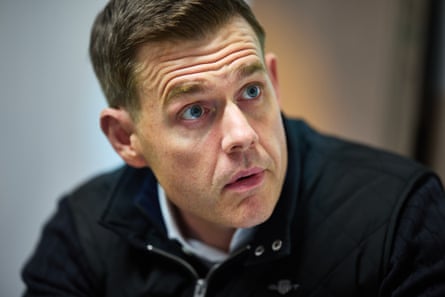
The response from established political parties to Goodwin's candidacy has been notably cautious, reflecting uncertainty about how to effectively counter a candidate whose primary platform exists outside traditional political frameworks. His ability to generate media coverage and online engagement creates challenges for opponents who must balance the need to respond to his messaging while avoiding amplifying his reach and influence.
As the campaign progresses, the question of whether Goodwin can successfully transition from digital influencer to elected representative becomes increasingly significant. His experience represents a test case for a new generation of political figures who have built their careers primarily through online platforms and media appearances rather than through traditional party structures or local political involvement.
The broader implications of Goodwin's campaign extend beyond the immediate electoral contest. His candidacy reflects changing patterns in political recruitment and representation, where traditional pathways to elected office are being challenged by individuals who have built their profiles through alternative means. This shift raises important questions about the skills and experiences that best prepare someone for elected office in the digital age.
The outcome of the Gorton and Denton byelection will provide valuable insights into the effectiveness of different approaches to political campaigning and representation. Whether Goodwin's combination of academic credentials, media savvy, and provocative messaging can translate into electoral success remains to be seen, but his campaign has already highlighted important tensions within contemporary British politics.

For Reform UK, Goodwin's performance in this byelection represents a crucial test of the party's electoral viability and its ability to expand beyond its core base of supporters. The party's investment in this campaign, both in terms of resources and reputation, suggests that the results will significantly influence its future strategic direction and candidate selection processes.
The campaign has also illuminated the challenges facing all political parties in adapting to changing media landscapes and voter expectations. Traditional campaigning methods must now compete with digital engagement strategies, while local issues must be balanced against national political narratives. Goodwin's approach to navigating these challenges may provide lessons for future candidates, regardless of their political affiliation or ideological orientation.
Source: The Guardian


