
Menstrual Leave Denied: India's Debate on Women's Rights Rages On

India's top court rejects petition for menstrual leave, igniting controversy over workplace equality and women's health. Explore the complex social and legal issues behind this divisive topic.
In a highly contentious decision, India's Supreme Court has rejected a petition seeking mandatory menstrual leave for female employees across the country. The subject of menstrual leave has long been a polarizing issue in India, with some states and private companies already offering such policies, while others vehemently oppose the idea.
The petitioners, a group of lawyers and activists, argued that menstrual leave is a fundamental right for women and would help address workplace discrimination and menstrual health issues. However, the court dismissed the petition, stating that it was not the judiciary's role to enforce such a policy and that the matter should be left to the government and employers to decide.
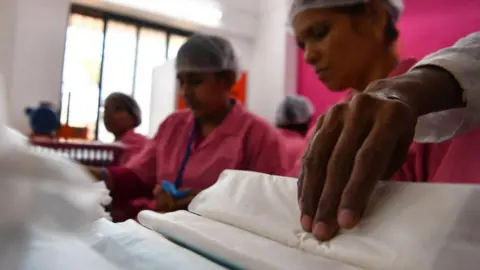
The ruling has reignited a national debate on the complex intersection of women's rights, workplace equality, and traditional societal attitudes. Supporters of menstrual leave argue that it would provide much-needed relief and recognition for the physical and emotional challenges women face during their menstrual cycles. They also contend that it could help reduce absenteeism and improve overall workplace productivity.
On the other hand, opponents of the policy claim that it would reinforce gender stereotypes, disadvantage women in the job market, and potentially lead to workplace discrimination. They argue that the focus should be on creating more inclusive and accommodating work environments, rather than singling out women for special treatment.
The debate over menstrual leave in India reflects a broader struggle for gender equality and the recognition of women's healthcare needs in the workplace. While some states, such as Bihar and Odisha, have introduced menstrual leave policies, the lack of a unified national approach has led to inconsistencies and varying degrees of implementation.
The Supreme Court's decision has been met with both praise and criticism from various stakeholders, including women's rights activists, labor unions, and industry leaders. The ruling underscores the need for a more comprehensive and nuanced approach to addressing the complex issues surrounding women's health, workplace rights, and social attitudes in India.
As the debate continues, experts and policymakers will likely need to balance the needs of women's health and equality with the practical considerations of businesses and the wider societal context. The ultimate goal should be to create an environment where women can thrive and succeed without facing undue barriers or discrimination, while also ensuring that their unique healthcare needs are recognized and accommodated.
Source: BBC News


