
Met Police Brace for 100K+ Protesters on FA Cup Final Day

London police prepare massive operation as far-right and pro-Palestine marches converge. Over 100,000 expected protesters set to march through capital simultaneously.
The Metropolitan Police are gearing up for one of the most significant large-scale protest operations in recent British history, with authorities bracing for the convergence of multiple demonstrations expected to draw over 100,000 participants through the streets of London. The unprecedented challenge arrives on a day already marked by major national attention: the FA Cup final at Wembley Stadium, creating a complex security and public order scenario that has prompted law enforcement to activate enhanced tactical measures across the capital.
According to sources familiar with police planning, officers stationed throughout extensive sections of central London will receive additional police powers to manage the anticipated crowds and maintain public safety. The primary catalyst for this heightened alert stems from the Unite the Kingdom march, a far-right demonstration being coordinated by Stephen Yaxley Lennon, the controversial figure better known by his adopted name, Tommy Robinson. The organization of these marches on a single day has forced the Met to coordinate resources at an unprecedented scale.
Law enforcement officials have been quietly preparing contingency plans for weeks, recognizing the potential for significant disruption across multiple areas of the city simultaneously. The dual protest scenario presents unique challenges for crowd management, with different groups holding vastly different political positions and ideological motivations. Police commanders have emphasized the importance of maintaining order while simultaneously respecting citizens' rights to peaceful assembly and democratic expression.
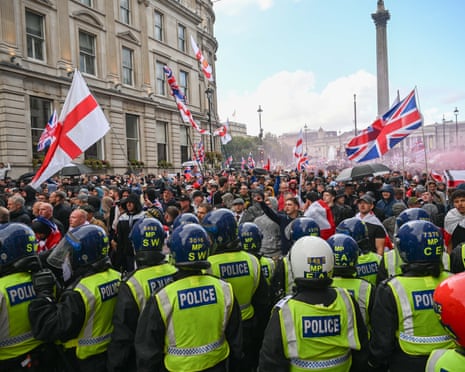
The pro-Palestine march represents a continuation of activism that has gained substantial momentum in recent months, drawing supporters concerned with Middle Eastern geopolitical issues and humanitarian matters. Meanwhile, the far-right demonstration reflects ongoing tensions within certain segments of the population regarding immigration, national identity, and cultural integration. The simultaneous scheduling of these events has raised concerns among public officials about potential confrontations between opposing groups and the strain on already-stretched police resources.
Tommy Robinson's leadership of the Unite the Kingdom organization has historically attracted thousands of supporters to demonstrations, and this event is expected to continue that trend. The political activism landscape in London has become increasingly polarized, with these demonstrations serving as focal points for broader societal divisions. Police preparation includes detailed route planning, deployment of additional personnel, and coordination with local authorities and transport services.
The FA Cup final, one of England's most prestigious sporting events, will draw its own significant crowds to Wembley Stadium on the same day. This convergence of major events creates a complex operational environment where police must balance multiple priorities: ensuring public safety, protecting the sporting event, facilitating legitimate protest activities, and preventing potential disorder or violence. The sheer number of people expected to be in central London simultaneously necessitates comprehensive planning and coordination.
Metropolitan Police leadership has emphasized that protest management strategies will focus on professional, impartial policing that respects the democratic rights of all participants while maintaining public order. Senior officers have indicated that detailed briefings have been provided to all units expected to be deployed, with particular attention paid to de-escalation techniques and community engagement approaches. The police operation represents not merely a show of force, but a carefully calibrated response designed to facilitate peaceful expression while preventing disorder.
Security analysts and public order experts have noted that London has successfully managed large simultaneous demonstrations in the past, though the expected scale of participation in this instance presents novel challenges. The coordination required between different police units, transport authorities, emergency services, and local government agencies is extensive. Communication protocols have been established to ensure rapid response to any emerging situations.
Community leaders and civil rights organizations have called for careful handling of the demonstrations, emphasizing that peaceful democratic protest is a fundamental right in democratic societies. However, there are also concerns from some quarters about the potential for extremist elements to exploit the large gatherings for confrontational purposes. Police commanders have indicated they are aware of these concerns and have prepared specifically to address such possibilities.
The timing of these events highlights ongoing tensions within British society regarding immigration, national identity, and international affairs. The protest participation demographics from previous similar events suggest that attendees span a wide range of backgrounds, ages, and motivations. Understanding these diverse motivations has informed police planning, with officers receiving training specific to the contexts driving these demonstrations.
Transport authorities have been coordinating with police to ensure that major transit routes can continue functioning while accommodating the large numbers of people expected to move through central London. TfL services, road networks, and parking arrangements have all been incorporated into the broader operational plan. Businesses in central London have been notified of potential disruptions and advised to make contingency arrangements.
The preparation for this metropolitan police operation represents a significant allocation of resources and represents the kind of large-scale event management that occasionally characterizes policing in major capital cities. Officers will be working extended shifts, and mutual aid arrangements with other police forces may be activated if necessary. The commitment of resources reflects the seriousness with which authorities are treating the potential for disorder.
Historical precedent from previous major demonstrations in London provides some guidance for police planners, though the specific circumstances of this event—the simultaneous nature of protests with opposing political orientations and the additional complication of the FA Cup final—creates a genuinely unique scenario. Police have emphasized that their role remains one of facilitating lawful protest while protecting public safety and preventing criminal activity. As the date approaches, final preparations continue across multiple police units and partner agencies.
Source: The Guardian


