
Meta Cuts 8,000 Jobs in Major AI-Focused Restructuring

Meta announces significant workforce reduction affecting 10% of staff as company refocuses strategy on artificial intelligence development and innovation.
Meta has announced a substantial workforce reduction, laying off approximately 8,000 employees, which represents roughly 10 percent of its total staff complement. This significant corporate restructuring marks a pivotal moment in the company's strategic direction as leadership opts to prioritize artificial intelligence development and innovation over maintaining current operational levels. The decision reflects Meta's ambitious pivot toward AI technology as the company seeks to establish itself as a leader in the rapidly evolving landscape of machine learning and neural networks.
The layoffs represent one of the most substantial workforce reductions in Meta's corporate history, underscoring the magnitude of the strategic shift the company is undertaking. Employees across various departments and levels of the organization have been affected by the restructuring initiative. The company's leadership has indicated that this difficult decision was made to streamline operations and allocate resources more efficiently toward high-priority projects centered on artificial intelligence capabilities. By reducing its headcount, Meta aims to create a leaner organization capable of moving faster and responding more effectively to market opportunities in the AI sector.
This restructuring decision comes amid increasing competition in the AI development space, where tech giants are racing to develop cutting-edge solutions and applications. Meta's commitment to AI innovation reflects the broader industry trend of companies investing heavily in artificial intelligence technologies to maintain competitive advantages. The company has indicated that affected employees will receive severance packages and outplacement assistance, though many individuals face an uncertain future as they navigate the job market.
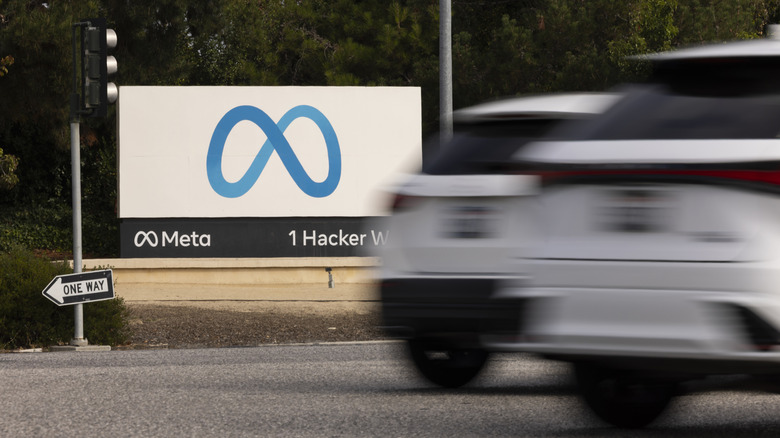
The announcement of the layoffs has sparked considerable discussion within the technology industry and among stakeholders regarding the direction of major tech companies. Some analysts view the move as a necessary recalibration that positions Meta to compete effectively in the emerging AI economy. Others have raised concerns about the human impact of such large-scale workforce reductions and the broader implications for the tech sector's employment landscape. The decision demonstrates how quickly technology companies are willing to make dramatic organizational changes in pursuit of strategic objectives.
Meta's pivot toward AI-focused operations suggests the company believes artificial intelligence will be central to its future success and relevance in the technology industry. The company has been investing in various AI initiatives, including natural language processing, computer vision, and generative AI models. By consolidating resources and reducing operational overhead, Meta hopes to accelerate development timelines and bring AI-powered products and services to market more rapidly. This strategic bet on artificial intelligence reflects Meta's assessment of where growth and opportunity lie in the coming years.
The affected employees represent diverse skill sets and experiences across Meta's global organization. Some workers have taken to social media to share their experiences and discuss the impact of the layoffs on their careers and personal lives. The human cost of such restructuring efforts cannot be overlooked, as thousands of individuals must now navigate career transitions and seek new employment opportunities. For many of these workers, the layoff comes as an unexpected disruption to their professional trajectories within the company.
Meta's decision to pursue an aggressive AI strategy also signals the company's belief that artificial intelligence will define competitive advantages in the tech industry for years to come. Investment in AI talent, research, and infrastructure has become a priority for Meta as it seeks to develop proprietary technologies and maintain its position as an industry leader. The company's restructuring enables it to channel resources toward teams and projects directly involved in advancing artificial intelligence capabilities. This focused approach may help Meta achieve breakthroughs in areas like recommendation systems, content moderation, and generative AI applications.
The tech industry has witnessed similar workforce reductions at other major companies during the same period, suggesting a broader trend toward efficiency and strategic realignment across the sector. These cutbacks reflect not only individual company strategies but also changing market conditions and investor expectations regarding profitability and growth. Companies are increasingly being pressured to demonstrate strong financial performance while simultaneously investing in future technologies. This balancing act often results in difficult decisions regarding workforce management and resource allocation.
Moving forward, Meta will need to successfully integrate its remaining workforce and ensure that organizational morale remains steady during this period of transition. The company's ability to retain top talent and maintain productivity will be crucial to achieving its ambitious AI objectives. Leadership must communicate clearly about the company's vision and how the restructuring supports long-term strategic goals. Success in the AI space will ultimately depend on Meta's capacity to attract, retain, and effectively manage skilled professionals dedicated to advancing artificial intelligence technologies.
The restructuring represents a critical juncture for Meta as it looks to solidify its presence in the artificial intelligence sector and compete with other technology giants pursuing similar strategies. The company's willingness to make such a significant organizational change demonstrates its commitment to becoming a leading force in AI development and deployment. Whether this bold strategic pivot proves successful will largely depend on the company's execution and its ability to translate AI investments into tangible products and services that drive value for users and shareholders alike.
Source: Engadget


