
Microsoft's Tiny Cloud Controller Spotted

An unreleased Microsoft cloud controller discovered in the wild features Wi-Fi connectivity for Xbox Cloud Gaming with reduced latency benefits.
A mysterious Microsoft cloud controller has emerged from the shadows, catching the attention of gaming enthusiasts and tech observers worldwide. This previously unknown device represents a significant development in the company's ongoing efforts to revolutionize how players interact with Xbox Cloud Gaming services. The discovery has sparked considerable speculation about Microsoft's future hardware plans and its commitment to advancing cloud-based gaming technology.
The unreleased controller, which has been spotted in circulation despite never receiving an official announcement, stands out primarily due to its remarkably compact design. Sources indicate that this diminutive device is substantially smaller than traditional gaming controllers, making it a portable solution for cloud gaming enthusiasts who demand both convenience and functionality. The miniaturized form factor represents a departure from conventional controller designs, suggesting that Microsoft is exploring new possibilities for how players might access their games on the go.
One of the most intriguing technical specifications of this unreleased Xbox controller involves its connectivity architecture. Rather than relying solely on traditional Bluetooth connections or proprietary wireless protocols, the device reportedly leverages Wi-Fi connectivity to establish direct communication with Xbox Cloud Gaming infrastructure. This architectural choice carries substantial implications for gaming performance and user experience, particularly for players seeking optimal responsiveness during gameplay sessions.
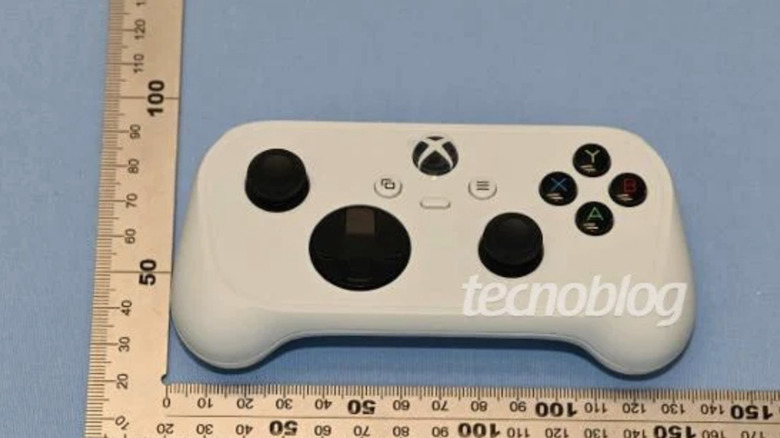
The implementation of Wi-Fi-based connectivity serves a critical purpose in the cloud gaming landscape. By utilizing Wi-Fi protocols instead of traditional wireless methods, the controller can achieve significantly lower latency rates during gameplay. Latency, often measured in milliseconds, plays a crucial role in determining whether cloud gaming feels responsive and natural or sluggish and frustrating to players. Microsoft's engineering approach demonstrates a sophisticated understanding of the technical challenges inherent in delivering seamless cloud gaming experiences across diverse network environments.
Latency reduction through direct Wi-Fi connectivity addresses one of the primary pain points that has historically plagued cloud gaming adoption. When playing action-intensive games, competitive titles, or games requiring precise timing, even marginal delays between controller input and on-screen response can dramatically impact gameplay quality. By designing the controller to communicate directly with Xbox Cloud Gaming servers through Wi-Fi, Microsoft appears to be tackling this challenge head-on, potentially delivering an experience that rivals traditional console gaming in terms of responsiveness.
The appearance of this device in the wild raises important questions about Microsoft's product development roadmap and release timeline. The fact that an unreleased controller has surfaced suggests either an advance leak through supply chain channels or an intentional beta distribution to select testers. Such leaks have become increasingly common in the tech industry, where prototype devices sometimes escape confidential development environments before official announcements. The discovery provides valuable insight into Microsoft's innovation pipeline and suggests the company is actively pursuing next-generation cloud gaming hardware solutions.
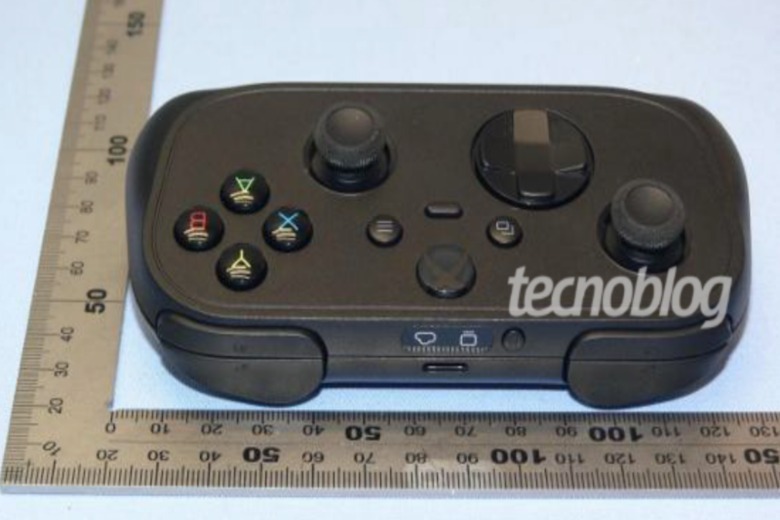
The Xbox Cloud Gaming platform has been a cornerstone of Microsoft's gaming strategy under the Xbox Game Pass subscription model. This service enables players to stream games directly to their devices without requiring powerful local hardware, democratizing access to premium gaming experiences. The introduction of specialized hardware like this compact controller could represent a significant enhancement to the overall ecosystem, providing users with purpose-built peripherals optimized for cloud gaming rather than relying on universal controllers.
Gaming industry analysts have begun speculating about the broader implications of this discovery. Some observers suggest that Microsoft may be preparing to expand its cloud gaming offerings into new markets or device categories. The compact form factor could indicate that the controller is designed for use with portable devices, tablet gaming, or even streaming to mobile phones. Such expansion would position Microsoft competitively against other cloud gaming providers and potentially attract new demographic segments to the Xbox ecosystem.
The technical advantages of Wi-Fi-based controller connectivity extend beyond simple latency improvements. Wi-Fi protocols typically offer higher bandwidth capacity compared to traditional Bluetooth connections, potentially enabling richer data transmission between the controller and cloud gaming servers. This increased bandwidth could support enhanced features, including improved haptic feedback, more granular motion sensing, or even direct cloud-based processing of controller input data. The architectural possibilities are substantial and could represent a meaningful step forward in cloud gaming technology.
From a competitive standpoint, this discovery reinforces Microsoft's commitment to innovation within the cloud gaming space. As companies like NVIDIA, Sony, and Amazon develop their own cloud gaming solutions and supporting hardware, Microsoft's unreleased controller demonstrates that the company is not resting on its laurels. The investment in specialized hardware suggests a long-term strategy to establish cloud gaming leadership and create competitive advantages through technological differentiation rather than relying solely on software and services.
The discovery also highlights the challenges associated with keeping hardware development projects confidential in an era of global supply chains and distributed manufacturing. Prototype devices inevitably enter retail channels or distribution networks before official launches, giving tech enthusiasts and industry observers opportunities to examine unreleased products. This reality has become accepted within the technology industry, with manufacturers typically managing leak expectations as part of their broader product launch strategies.
Moving forward, all eyes are directed toward Microsoft to see whether the company will provide official confirmation of this controller's existence and clarify its intended purpose within the Xbox ecosystem. An official announcement would likely include specifications, availability information, and detailed explanations of how the device enhances the cloud gaming experience. Until such confirmation arrives, the discovery remains a tantalizing glimpse into Microsoft's future hardware ambitions and its vision for the evolution of cloud-based gaming technology.
The broader significance of this unreleased controller extends beyond its immediate technical specifications. It represents evidence of substantial ongoing research and development within Microsoft's gaming division, indicating that the company views cloud gaming not as a supplementary service but as a core pillar of its entertainment platform strategy. As network infrastructure continues improving globally and consumer acceptance of cloud gaming grows, specialized hardware like this controller will likely play an increasingly important role in delivering experiences that satisfy demanding gamers while remaining accessible to casual players seeking convenience and flexibility.
Source: Engadget


