
Microsoft Slashes Game Pass Prices, Removes Call of Duty Day-One Access

Microsoft cuts Game Pass Ultimate by 23%, but new Call of Duty games won't launch on the service. Read about the major pricing changes and what it means for subscribers.
In a significant strategic shift, Microsoft unveiled sweeping changes to its Game Pass subscription service this week, announcing substantial price reductions that will take effect immediately while simultaneously removing day-one access to highly anticipated Call of Duty releases. This move represents a major recalibration of the company's gaming subscription strategy, balancing affordability concerns against revenue optimization from one of the industry's most lucrative franchises.
The pricing adjustments represent considerable savings for subscribers across different tiers. In the United States market, Game Pass Ultimate subscriptions will decrease to $22.99 monthly, a reduction of $7 from the previous $29.99 price point—translating to approximately 23 percent savings. The PC Game Pass tier will similarly see reductions, dropping to $13.99 monthly from $16.49, representing a roughly 22 percent decrease. These price cuts mark a notable reversal from the company's subscription rate increases in recent years, signaling Microsoft's responsiveness to subscriber feedback regarding affordability concerns.
The trade-off for these savings, however, involves meaningful restrictions on premium gaming content. Moving forward, new Call of Duty games will no longer launch simultaneously with their retail release on Game Pass. Instead, players will need to wait until the following holiday season before gaining access to the latest installments in Activision's flagship military shooter franchise. This delay represents a substantial change from the previous arrangement, where Game Pass Ultimate subscribers enjoyed day-one availability of Call of Duty titles—a major selling point for the service's premium tier.
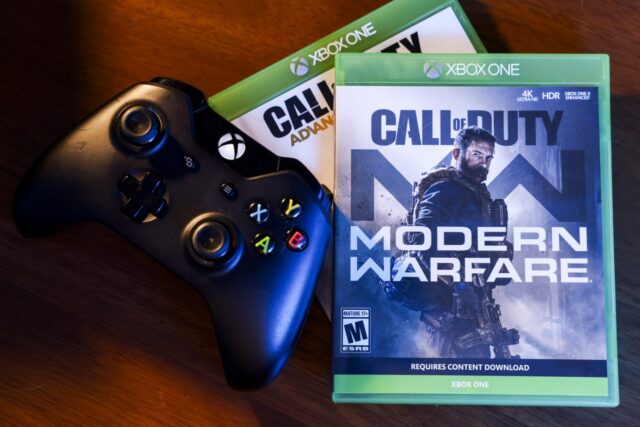
Notably, this restriction only applies to newly released Call of Duty games moving forward. Existing Call of Duty titles already available on Game Pass will remain accessible to current subscribers, ensuring that the extensive back catalog of the franchise continues to provide value to the service's user base. This distinction suggests Microsoft is attempting to balance subscriber retention with the need to protect premium game sales during the crucial launch windows when Call of Duty releases typically generate their highest revenue.
The announcement came with clarification from Microsoft leadership regarding the rationale behind these decisions. Xbox CEO Asha Sharma, who recently assumed her position leading Microsoft's gaming division, addressed the changes directly in official communications. "Game Pass Ultimate has become too expensive for too many players," Sharma stated, acknowledging long-standing criticism from gaming communities about subscription pricing escalation. The sentiment echoes concerns that had been privately circulating within the company, as evidenced by internal communications that surfaced in earlier reports.
Sharma further emphasized the company's commitment to continuous service evolution, noting that "We'll keep learning and evolving Game Pass to better match what matters to players." This statement suggests Microsoft views these changes not as final decisions but as part of an ongoing process of refinement and optimization. The company appears committed to finding the appropriate balance between generating revenue from premium content and maintaining a competitive pricing position in the increasingly crowded subscription gaming market.
The timing of these announcements reflects broader industry dynamics affecting gaming subscriptions and consumer behavior. PlayStation Plus and Xbox Game Pass have been engaged in an intense competition for subscriber loyalty, with pricing and exclusive content availability serving as primary competitive weapons. Microsoft's decision to reduce prices while restricting Call of Duty day-one access represents a calculated strategic move designed to improve service accessibility while potentially protecting the commercial viability of premium game launches.
Industry analysts have noted that the removal of Call of Duty day-one access particularly impacts Game Pass Ultimate subscribers, the service's most premium tier. While the $7 monthly savings represents meaningful value, the inability to play the latest Call of Duty game immediately upon release may represent a significant loss for competitive players and franchise enthusiasts who typically purchase games at launch. This creates a potential disconnect where the price reduction might appeal primarily to casual and budget-conscious players, while more invested players may need to reconsider whether the service remains worthwhile for their gaming preferences.
The broader implications of this strategy extend beyond immediate subscription numbers. Microsoft's willingness to reduce Game Pass pricing while restricting premium content suggests the company believes there exists a larger addressable market at lower price points than currently subscribes to the service. This approach prioritizes subscriber growth and engagement over maximizing revenue per existing subscriber—a shift that could reshape the competitive landscape if successful and is widely adopted by competitors.

For Call of Duty players specifically, this development introduces new considerations into their purchasing and subscription decisions. Players who wish to experience new Call of Duty games at launch will need to either purchase them separately at full retail price or consider maintaining parallel subscriptions to Game Pass and other services. This fragmentation of content availability across multiple subscription tiers reflects the increasingly complex landscape of digital gaming distribution, where exclusive content remains a powerful tool for service differentiation.
The changes also carry significant implications for Activision Blizzard, which Microsoft acquired in a landmark $69 billion transaction. While the acquisition was partly justified by the ability to include Activision games on Game Pass from day one, these revised terms suggest the company is reassessing that strategic calculus. The decision to delay Call of Duty availability protects the franchise's standalone commercial performance while still eventually delivering the game to Game Pass subscribers, representing a compromise that acknowledges both the acquisition's original benefits and the commercial realities of premium game monetization.
Microsoft's announcement demonstrates the evolving nature of gaming service economics as the industry continues adapting to subscription-based models. The company's willingness to implement price reductions while simultaneously restricting premium content availability reflects the complex balancing act required to maintain competitive positioning, manage subscriber expectations, and protect revenue streams. As the gaming industry continues maturing around subscription models, such strategic adjustments may become increasingly common as companies seek to identify optimal pricing and content strategies for long-term profitability and growth.
Source: Ars Technica


