
Millionaire-Backed Whale Rescue Faces Controversy

A daring operation to tow stranded humpback whale Timmy from Germany's Baltic coast to the North Sea sparks heated debate over animal welfare and rescue methods.
A controversial whale rescue operation funded by a wealthy benefactor is moving into its final preparatory stages, aiming to transport a distressed humpback whale from Germany's Baltic coast back to open waters. The ambitious initiative has ignited fierce debate among environmental advocates, government officials, and marine conservationists about the appropriateness and effectiveness of the rescue method. What began as a humanitarian effort to save a struggling marine mammal has evolved into a contentious public dispute involving social media threats and accusations of animal cruelty.
The stranded humpback whale, affectionately nicknamed Timmy by local residents and rescue teams, has remained trapped along the Baltic Sea coastline for nearly a month. Weighing approximately 12 tonnes and measuring the length of a commercial truck, this majestic cetacean has captured the hearts and minds of concerned citizens across Europe. The whale's prolonged stranding has raised urgent questions about the health of the animal and the feasibility of mounted rescue efforts in such challenging maritime conditions.
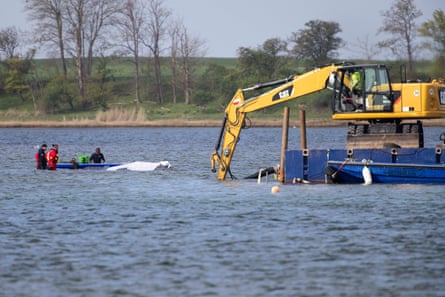
At the center of this dramatic saga is an innovative yet unproven rescue strategy that involves using a specialized barge designed to function as a giant floating aquarium. This custom-engineered vessel will attempt to carefully transport Timmy across an estimated 400 kilometers (approximately 248 miles) of treacherous waters, navigating from the Baltic Sea toward the North Sea and eventually toward the Atlantic Ocean, where marine scientists believe the whale originally originated. The operation represents one of the most ambitious marine mammal rescue missions attempted in recent European history.
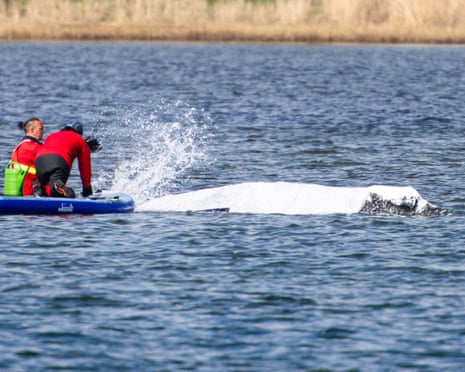
The rescue initiative has become unexpectedly polarizing, with a regional environment minister publicly condemning the operation as "pure animal cruelty" and expressing disapproval through heated social media posts and threatening messages. This governmental opposition underscores the complexity of wildlife rescue decisions, where well-intentioned efforts can face significant institutional and political resistance. The minister's vocal criticism has amplified public discourse around the ethical dimensions of the rescue, forcing stakeholders to justify their methods and underlying assumptions about animal welfare.
The humpback whale rescue involves multiple technical and logistical challenges that rescue coordinators must overcome to achieve success. The specialized barge must maintain precise conditions inside its artificial marine environment to prevent additional stress and injury to Timmy. Navigation through shallow Baltic waters, unpredictable weather patterns, and potential complications from the whale's weakened physical condition all contribute to the inherent risks associated with this audacious undertaking.
Marine biologists and veterinarians involved in the operation have emphasized that the whale's health has deteriorated significantly during its extended stranding period. Extended confinement in shallow, unfamiliar waters can cause serious physiological stress, immune system compromise, and behavioral disruption in migratory cetaceans. The degrading condition of the animal has created a sense of urgency among rescue personnel, who view the expensive transportation initiative as a necessary intervention to preserve Timmy's life and restore it to its natural habitat.
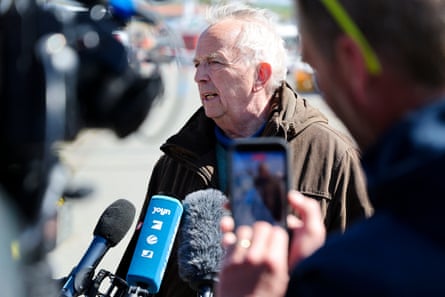
The financing of this ambitious rescue operation has been entirely dependent upon a wealthy private benefactor who has committed substantial financial resources to support the effort. The millionaire's investment in this venture demonstrates growing international recognition of marine conservation concerns and the willingness of affluent individuals to personally fund large-scale wildlife rescue missions. However, this reliance on private funding also raises broader questions about the adequacy of governmental resources dedicated to marine mammal protection and emergency response.
Critics of the towing operation have raised legitimate concerns about whether the stress and disruption caused by transport might ultimately harm the whale more than benefit it. Some marine specialists argue that alternative approaches, such as intensive veterinary care at a specialized facility or allowing natural recovery in protected waters, might produce superior outcomes with reduced risk. These competing perspectives reflect genuine scientific uncertainty about optimal interventions for stranded cetaceans and highlight the absence of established protocols for large-scale whale rescue in European waters.
Supporters of the rescue initiative counter that doing nothing would virtually guarantee Timmy's death from starvation, disease, or other complications of prolonged stranding. They argue that despite the inherent risks and unprecedented nature of the operation, attempting to return the whale to its natural oceanic environment represents the most compassionate option available. The rescue team has invested considerable effort in developing specialized equipment and training personnel to minimize trauma during transport and provide optimal conditions during the lengthy journey.
The location where Timmy will eventually be released into the North Sea has been carefully selected based on oceanographic data, water temperature conditions, and proximity to established humpback whale migration routes. Rescue coordinators have consulted with international marine experts to identify optimal release coordinates that would maximize the whale's likelihood of successfully reorienting itself and reconnecting with its population. The release site represents a critical strategic decision that could significantly influence the ultimate success or failure of the entire operation.
Throughout this challenging rescue endeavor, local communities along the Baltic coastline have demonstrated remarkable solidarity with the stranded animal and widespread support for the rescue initiative. Crowds of concerned citizens have regularly gathered at observation points to monitor Timmy's condition and maintain vigil over the struggling marine mammal. This outpouring of public emotion and concern has elevated the rescue from a specialized technical operation to a significant cultural and environmental event with profound symbolic meaning.
As final preparations intensify in the coming days, rescue teams are conducting extensive equipment testing, weather monitoring, and contingency planning to address potential complications. The operation's success will depend on precise coordination among marine biologists, vessel operators, veterinarians, and logistics specialists working together under challenging conditions. The eyes of the international conservation community remain focused on this audacious attempt to rescue the stranded whale and demonstrate the possibility of saving large marine mammals in distress through innovative human intervention.
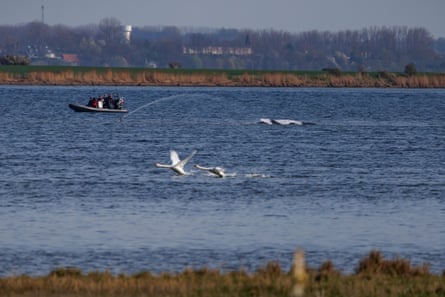
Regardless of the operation's ultimate outcome, the rescue effort has already generated valuable lessons for future marine mammal conservation initiatives in Europe. The challenges, controversies, and collaborative efforts surrounding Timmy's case will inform future protocols and decision-making frameworks for responding to whale strandings. The experience will likely lead to enhanced international cooperation, improved emergency response capabilities, and deeper reflection on humanity's responsibility toward vulnerable marine species.
Source: The Guardian


