
Minnesota Enacts Prediction Markets Ban Amid CFTC Legal Challenge

Minnesota passes controversial prediction markets legislation as federal regulators challenge the state law. CFTC lawsuit signals major clash over market regulation.
Minnesota has officially enacted a prediction markets ban, marking a significant regulatory development that has immediately drawn legal scrutiny from federal authorities. The legislation represents one of the most aggressive state-level efforts to restrict prediction market activities, which have grown increasingly popular among traders and political enthusiasts seeking to wager on future events ranging from election outcomes to corporate milestones.
The CFTC lawsuit filed against Minnesota's ban underscores the growing tension between state and federal regulatory frameworks governing financial markets. The Commodity Futures Trading Commission argues that the state legislation conflicts with existing federal regulatory authority over futures contracts and derivatives markets. This legal challenge signals that the agency views the Minnesota restrictions as an overreach that could disrupt the broader national framework for regulating prediction-based financial instruments.
Prediction markets have emerged as a controversial yet increasingly sophisticated tool for collective forecasting. These platforms allow participants to buy and sell contracts whose values depend on the outcome of future events, creating mechanisms that theoretically incentivize accurate information aggregation. Supporters argue they provide valuable price signals and improve decision-making across various sectors, while critics worry about gambling proliferation and market manipulation risks.
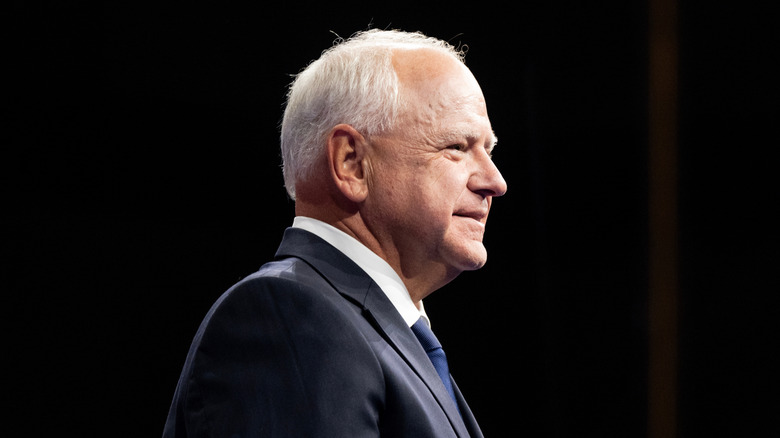
The Minnesota legislature's decision to pass the prediction markets legislation reflects growing concerns among state policymakers about unregulated betting activity and consumer protection issues. Legislators expressed worry that prediction markets, particularly those operating online, could facilitate illegal gambling and expose residents to financial risks without adequate safeguards or disclosures. The state's approach prioritizes protecting constituents from what lawmakers characterize as speculative instruments that blur the line between legitimate financial trading and prohibited gambling activities.
The federal government's response through the CFTC lawsuit demonstrates a fundamentally different regulatory philosophy. Rather than banning prediction markets entirely, federal authorities have sought to establish comprehensive oversight mechanisms that would allow these markets to operate under strict conditions and monitoring. The CFTC's position reflects a broader regulatory approach that acknowledges prediction markets' potential value while implementing guardrails to prevent fraud and protect market integrity.
This conflict between Minnesota's prohibition and the federal regulatory framework raises important questions about states' rights versus national regulatory uniformity. The Constitution's Supremacy Clause generally establishes that federal law preempts conflicting state regulations, which could provide a legal foundation for challenging Minnesota's ban. However, states have traditionally maintained considerable authority over gambling and betting activities within their borders, complicating the legal analysis.
The prediction markets industry has grown substantially in recent years, with platforms enabling participants to trade contracts on diverse outcomes. Major prediction markets have attracted millions of users and billions of dollars in trading volume, particularly around significant political events and sporting competitions. The platforms typically operate through encrypted blockchain technology or traditional market infrastructure, creating additional regulatory complexity as authorities attempt to oversee activities that may span multiple jurisdictions.
Minnesota's aggressive stance reflects a broader trend of state-level regulatory innovation and experimentation with emerging financial technologies. Several states have attempted to implement their own restrictions on cryptocurrency, artificial intelligence, and other digital markets, creating a patchwork of regulations that challenges companies operating nationally. The Minnesota prediction markets ban exemplifies how states increasingly exercise police powers to address perceived risks from new financial instruments, even when federal regulators may prefer alternative approaches.
The CFTC's legal challenge will likely focus on interstate commerce implications and the Commission's statutory authority over derivatives and futures contracts. Federal regulators may argue that prediction markets constitute commodities or derivatives under their jurisdiction, and that state prohibitions improperly interfere with federal regulatory authority. The outcome could establish important precedent regarding the balance between state and federal authority in regulating innovative financial markets.
Observers note that the Minnesota case arrives amid broader national debates about the appropriate regulatory approach to prediction market trading and blockchain-based financial instruments. Some economists and market experts contend that prediction markets serve valuable forecasting functions and should be permitted to operate under reasonable federal oversight rather than state prohibition. Others, however, believe that prediction markets' speculative nature and potential for manipulation justify stricter limitations.
The implications of Minnesota's ban and the CFTC's response will resonate throughout the financial technology sector. Companies operating prediction markets or considering market entry must now navigate uncertain regulatory terrain where state prohibitions may directly conflict with federal regulatory frameworks. This legal uncertainty could influence investment decisions, platform expansion strategies, and the development of new prediction market features and offerings.
As the litigation progresses, the Minnesota prediction markets ban represents a critical test case for state regulatory authority over emerging financial markets. The outcome will likely influence how other states approach similar technologies and how federal agencies balance market innovation against consumer protection concerns. Both the state and federal authorities claim to prioritize protecting consumers, but their divergent regulatory approaches reveal fundamental disagreements about how best to achieve that objective in the context of prediction-based trading platforms.
The broader context of this dispute includes ongoing discussions about the future of financial regulation in an increasingly digital economy. Policymakers at both state and federal levels grapple with how to accommodate innovation while protecting consumers and maintaining market integrity. The Minnesota prediction markets ban and the CFTC's response will contribute meaningfully to these evolving regulatory frameworks and shape how Americans can participate in predictive trading activities for years to come.
Source: Engadget


