
MPs Plan Assisted Dying Bill Return After Lords Block

Labour MP Kim Leadbeater vows to bring back assisted dying bill in next parliamentary session after Lords blocked it. Strategy would prevent peers from stopping identical legislation.
Assisted dying legislation faces a dramatic return to parliament as determined MPs and peers pledge to resurrect the controversial bill following its defeat in the House of Lords. The setback has sparked renewed commitment from supporters who view the Lords' action as obstructive rather than principled, setting the stage for a renewed legislative battle over one of Britain's most contentious policy issues.
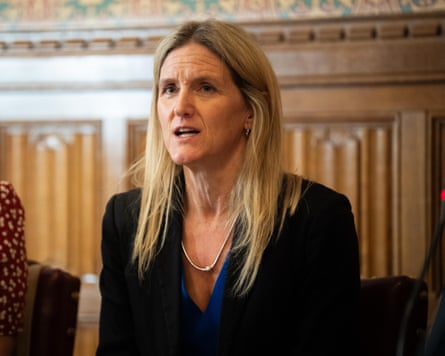
Kim Leadbeater, the Labour MP who originally tabled the private member's bill, has outlined an ambitious strategy to reintroduce identical legislation during the next parliamentary session. This procedural maneuver would exploit a fundamental rule of parliamentary law: the House of Lords cannot block the same bill twice, meaning peers would be unable to prevent its passage if resubmitted with identical wording and provisions.
The development marks a significant moment in the long-running debate over end-of-life care and patient autonomy in Britain. Leadbeater's determination reflects growing frustration among MPs supporting assisted dying who argue that the Lords overstepped democratic boundaries by preventing the legislation from receiving proper parliamentary time and consideration. The planned resubmission represents not merely a legislative tactic but a fundamental challenge to the second chamber's power.
Sources close to Leadbeater indicate that the strategy has been carefully considered and represents the most viable path forward for those advocating for legal reform in this sensitive area. The approach demonstrates sophisticated understanding of parliamentary procedure and the technical constraints that govern interactions between the two houses of parliament, particularly regarding how to circumvent obstruction tactics.

The assisted dying bill controversy has divided parliament and the nation, with compelling arguments presented on multiple sides of the debate. Supporters argue that competent adults facing terminal illness should have the right to choose how and when they die, with proper safeguards to prevent abuse or coercion. They contend that current law forces many people into prolonged suffering without offering humane alternatives, and that democratic principles require parliament to address this genuine societal concern.
Opponents raise serious concerns about potential risks to vulnerable populations, including disabled individuals, the elderly, and those experiencing depression or temporary despair. They worry that assisted dying reform could create pressure on vulnerable people to end their lives prematurely, even with safeguards in place. Medical professionals and disability rights advocates have expressed particular anxiety about how such legislation might function in practice.
The House of Lords' decision to run down the clock rather than hold a substantive vote has itself become controversial. Critics argue that this procedural tactic was fundamentally undemocratic, preventing proper parliamentary debate on a bill that had passed the Commons with significant support. The decision to deliberately obstruct rather than engage with the legislation has angered many MPs who see it as the Lords improperly asserting veto power over democratically supported initiatives.
Leadbeater has been careful to emphasize that the resubmitted bill would be identical to the previous version, maximizing the legal certainty that the Lords would be unable to block it. This procedural certainty provides leverage for those determined to see assisted dying reform reach the statute book, even if Lords members remain philosophically opposed to the policy itself.
The promised return of assisted dying legislation will likely reignite broader societal debate about end-of-life choices, medical ethics, and individual autonomy. Religious organizations, medical bodies, and advocacy groups across the spectrum have already begun preparing arguments for the inevitable renewed debate. The stakes are high both politically and personally, as the issue touches on fundamental questions about how we wish to die and who should make those decisions.
Political observers note that the timing of resubmission remains unclear, depending on parliamentary business priorities and the government's legislative agenda in coming sessions. However, the commitment from Leadbeater and supporting peers suggests this is not merely a symbolic promise but a serious intention to move the bill forward through the parliamentary process despite the Lords' previous obstruction. The determination may reflect recognition of growing public support for assisted dying reform in opinion polling.
The technical parliamentary procedure that allows for resubmission of identical bills after Lords obstruction represents an important safeguard within the broader constitutional framework. While the House of Lords retains significant powers to delay, amend, and theoretically block legislation, this specific rule prevents the second chamber from indefinitely obstructing legislation that has democratic support in the Commons. The mechanism essentially allows the elected chamber to override determined resistance from the appointed chamber.
Implementation of the promised resubmission strategy will require careful legislative drafting to ensure the bill meets the technical requirements for procedural protection. Any substantive changes or amendments would reset the procedural protections, potentially allowing Lords obstruction once again. This means Leadbeater and supporters face a delicate balancing act between improving the legislation based on feedback and maintaining the parliamentary advantage that identical resubmission provides.
The broader political context matters significantly for understanding the prospects of assisted dying bill reintroduction. The Labour government under Keir Starmer has indicated openness to end-of-life care reform, though maintaining party neutrality on this conscience issue. This positioning differs markedly from the previous Conservative government, which had actively discouraged private member's bills on this subject. The shift potentially provides more favorable conditions for eventual passage.
Public opinion research has consistently shown substantial majority support for allowing assisted dying under appropriate safeguards, with most recent polling suggesting around 70-80% of the public backs legalization. This public mandate strengthens the hand of those advocating for parliamentary reform, suggesting that voters broadly support what MPs and peers are attempting to achieve. The disconnect between public opinion and parliamentary obstruction has become increasingly difficult for opponents to defend.
The coming weeks and months will prove crucial for determining whether the promised resubmission actually materializes on the parliamentary schedule. Leadbeater will need to navigate complex political negotiations to secure government cooperation, secure parliamentary time, and maintain unity among diverse supporters who may have different perspectives on specific safeguards and implementation details. Success will require sustained commitment and careful political management.
The promised return of assisted dying legislation represents a significant moment in British democratic debate, testing the balance of power between the two houses of parliament while addressing a genuinely important societal question about death, autonomy, and individual choice at the end of life.
Source: The Guardian


