
MPs' Salaries Soar to £110,000 Amid Abuse and Workload Concerns

UK's parliamentary expenses watchdog announces over 5% pay rise for MPs, citing increased abuse and constituency responsibilities as key factors behind the above-inflation hike.
The UK's Independent Parliamentary Standards Authority (Ipsa) has announced that the basic annual salary for Members of Parliament (MPs) will rise to a staggering £110,000 by the end of the current parliamentary term. The watchdog cites a significant increase in abuse and intimidation faced by lawmakers, as well as growing constituency workloads, as the key reasons behind this above-inflation pay rise.
According to the announcement, MPs' basic pay will first jump by almost £5,000, a 5% increase over the next financial year, taking their salary to £98,599. This will then continue to climb, reaching the £110,000 mark by the time the current parliament concludes.
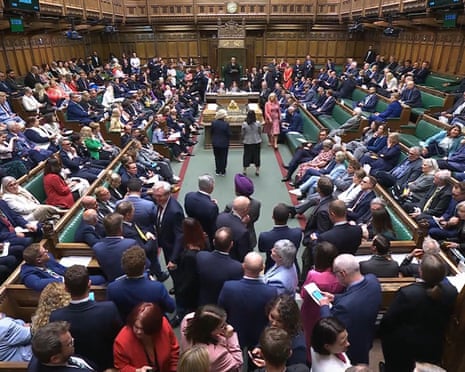
The decision to substantially boost MP salaries has sparked fierce debate, with some arguing that it is necessary to attract and retain high-caliber individuals in public service, while others contend that it is an excessive and inappropriate use of taxpayer money, especially amidst a cost-of-living crisis.
Ipsa, the independent body responsible for setting and administering MPs' pay and expenses, maintains that the increase is warranted due to the growing challenges and workloads faced by lawmakers. They point to the rise in abuse, intimidation, and even threats of violence directed at MPs, both in their constituencies and on social media, as a key factor justifying the pay rise.
In addition, Ipsa highlights the expanding role and responsibilities of MPs, who are now expected to handle a significantly larger volume of casework from their constituents, in areas ranging from social services to immigration. This increased constituency workload, coupled with the need to maintain a presence in both Westminster and local communities, has added considerable pressure and demands on lawmakers' time and resources.
Critics, however, argue that the pay rise sends the wrong message, especially at a time when many public sector workers are facing real-terms pay cuts due to soaring inflation. There are concerns that the substantial increase in MPs' salaries could further erode public trust in the political system and widen the perceived disconnect between lawmakers and the people they serve.
The announcement has also reignited the longstanding debate over the appropriate level of compensation for elected officials, with some calling for a more comprehensive review of the entire parliamentary remuneration system. Proponents of reform argue that a balanced and transparent approach is needed to ensure that MP salaries are commensurate with their responsibilities, while also maintaining public confidence in the political process.
As the UK grapples with the implications of this pay rise, the discussion is likely to continue, with both supporters and critics weighing in on the merits and drawbacks of the Ipsa's decision.
Source: The Guardian


