
Musk's European FSD Gamble: Will EU Regulators Follow Netherlands?

After Dutch approval of Tesla FSD, Elon Musk pursues European expansion. Reuters reports significant regulatory skepticism across the EU over automated driving technology.
Elon Musk's astronomical wealth has become fundamentally intertwined with Tesla's ability to expand its Full Self-Driving (FSD) subscription base following last year's transformative shareholder vote. The electric vehicle pioneer now faces a critical inflection point: gaining regulatory approval across European markets that could unlock access to 450 million potential customers. This European expansion strategy represents not merely a business opportunity but a necessity for Musk to achieve the ambitious subscriber targets outlined in his compensation agreement with Tesla shareholders.
The financial stakes are staggering. Musk's compensation package, valued at approximately $1.7 trillion based on current market valuations of his 423.7 million Tesla shares, depends on the company achieving specific milestones. Most notably, Tesla must accumulate at least 10 million active FSD subscriptions over the next decade to fulfill the contract's requirements. Achieving this scale proves mathematically impossible relying solely on North American adoption; the company must successfully penetrate both European and Chinese markets to reach these targets. This reality underscores why Musk and Tesla executives are pursuing aggressive international expansion of their autonomous driving technology.
The Dutch vehicle regulator RDW recently granted approval for FSD deployment on Dutch roads, marking a significant symbolic victory for Tesla's European ambitions. This decision carries substantial weight beyond the Netherlands' relatively modest market size, as the Dutch regulator has now committed to advocating for broader European Union acceptance of Tesla's automated driving technology. The RDW will present FSD approval to other EU member states and regulatory bodies, potentially opening a pathway for continent-wide deployment of the system across roads and highways serving hundreds of millions of citizens.
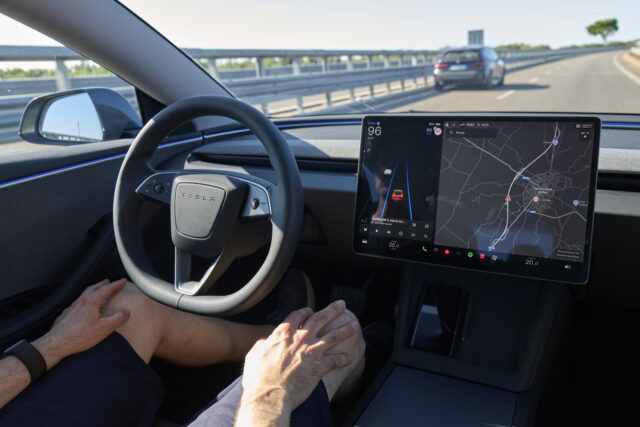
However, optimism about rapid European adoption faces substantial headwinds from regulatory skepticism documented in recent reporting. According to a comprehensive Reuters investigation published in May 2026, multiple European regulatory agencies have expressed significant concerns about Tesla's automated driving technology and its readiness for widespread deployment. These regulatory bodies have questioned whether Tesla's FSD system meets the rigorous safety standards that European authorities have traditionally maintained, reflecting a more cautious approach to autonomous vehicle approval compared to regulatory frameworks in the United States.
The contrast between American and European regulatory philosophies presents a fundamental challenge to Tesla's European strategy. The United States has adopted a relatively permissive approach toward autonomous vehicle testing and deployment, allowing companies considerable flexibility in real-world testing and gradual rollout of advanced driving assistance systems. European regulators, by contrast, have historically emphasized comprehensive pre-deployment validation, extensive safety documentation, and consumer protection measures before approving new vehicle technologies for public use. This philosophical difference reflects distinct cultural attitudes toward risk, innovation, and government oversight.
Tesla's regulatory battle in Europe represents a microcosm of broader tensions between innovation-focused companies and cautious regulatory authorities. While Musk has frequently criticized regulatory frameworks as obstacles to technological progress, European agencies view their oversight role as essential protection for public safety. The EU automated driving approval process involves multiple layers of review, including assessments of vehicle sensors, software validation, liability frameworks, and real-world performance data across diverse driving conditions and weather scenarios.
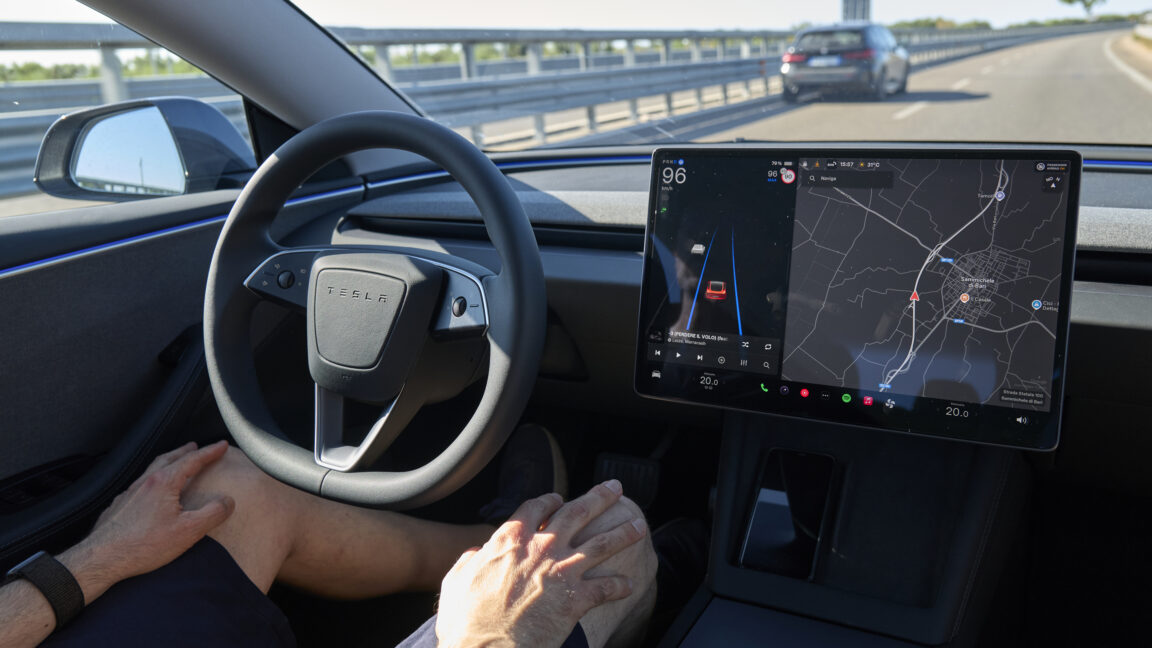
The Netherlands' approval of FSD marks a potential breakthrough, but the Dutch decision does not automatically trigger EU-wide acceptance. Instead, it initiates a consultation process where other member states and regulatory bodies can raise objections or request additional safety documentation. Countries like Germany, which hosts major automotive regulatory bodies and maintains particularly stringent safety standards, may prove especially resistant to rapid FSD approval. French regulators, similarly protective of traditional automotive industry interests, might also demand extensive additional testing and validation before permitting Tesla's system on their roads.
Tesla's Full Self-Driving subscription model fundamentally differs from traditional vehicle feature deployment, adding complexity to regulatory discussions. Rather than a one-time software installation, FSD operates as an ongoing subscription service, meaning Tesla continuously updates and modifies system behavior through over-the-air updates. This arrangement raises additional regulatory questions about ongoing oversight, consumer consent for system modifications, and accountability structures when autonomous driving systems cause accidents or property damage.
The liability question looms particularly large in European regulatory discussions. If Tesla's FSD system causes an accident, determining responsibility and ensuring adequate insurance coverage becomes extraordinarily complicated. European legal frameworks typically impose strict liability on vehicle manufacturers for defective products and inadequate safety features. Tesla and European insurers must establish clear protocols for handling accidents involving autonomous driving systems, particularly in edge cases where system limitations or software bugs contribute to collision causation.
Musk's previous regulatory interactions in Europe provide modest optimism despite current skepticism. Tesla has successfully navigated European safety certification for battery systems, manufacturing processes, and vehicle assembly. The company has also established manufacturing facilities in Germany, demonstrating commitment to European market integration. However, automated driving approval represents a fundamentally different challenge, requiring regulatory confidence in software systems rather than traditional mechanical vehicle components.
The competitive landscape further complicates Tesla's European FSD strategy. Traditional automotive manufacturers, which derive substantial revenue from selling advanced driver assistance features as premium options, may lobby European regulators to establish approval criteria that disadvantage Tesla's approach. German automakers, in particular, have long-established driver assistance systems and may influence their home government to demand equivalency validation comparing Tesla's FSD system against competing technologies already approved in Europe.
Chinese regulatory approval remains equally critical to Musk's financial targets. While China has demonstrated greater openness to autonomous vehicle testing through companies like Baidu, governmental oversight of foreign technology companies introduces distinct complications. Chinese regulators may condition FSD approval on data localization requirements, joint venture partnerships, or restrictions on system capabilities within Chinese territories. These potential constraints could substantially reduce the user base Tesla can achieve in China relative to North American markets.
The timeline for European FSD approval remains uncertain, with Reuters reporting indicating that regulatory decisions could extend across multiple years. Each EU member state reserves rights to approve or reject FSD within its territory, meaning Tesla potentially faces 27 separate regulatory battles rather than a single EU-wide determination. This fragmented approval process could result in a patchwork deployment pattern where FSD operates legally in some European countries while remaining prohibited in others, complicating Tesla's operational logistics and subscription marketing strategies.
Musk's European FSD gamble ultimately reflects the fundamental challenge of scaling autonomous driving technology across diverse regulatory environments. While the Dutch approval provides momentum and validates Tesla's technical approach in at least one jurisdiction, broader European acceptance remains highly uncertain. The coming months and years will reveal whether European regulators embrace automated driving innovation or maintain cautious skepticism about autonomous systems. This regulatory outcome will substantially impact both Tesla's financial projections and Musk's personally held wealth, making European approval decisions extraordinarily significant for the world's richest individual and his electric vehicle company.
Source: Ars Technica


