
Musk's Threatening Messages Surface in OpenAI Trial

Elon Musk's pre-trial settlement attempts and controversial messages to OpenAI leadership become central to lawsuit alleging the company abandoned its nonprofit mission.
The high-stakes legal battle between Elon Musk and OpenAI has taken a dramatic turn as previously undisclosed communications between the billionaire entrepreneur and company leadership surfaced just days before trial proceedings commenced. The litigation centers on allegations that under the stewardship of Sam Altman, the organization has fundamentally deviated from its founding mission of developing artificial intelligence for the benefit of humanity through a nonprofit structure.
In a strategic move that could reshape the trajectory of the case, Musk attempted to initiate settlement negotiations with OpenAI President Greg Brockman merely two days before the trial was set to begin. According to court filings submitted by OpenAI on Sunday, Musk reached out to gauge whether both parties had any interest in resolving their disputes through negotiated settlement rather than protracted courtroom battle. This move suggests that despite his public posturing, Musk may have harbored concerns about the strength of his position or the potential costs of extended litigation.
Brockman's initial response appeared constructive, with the OpenAI executive proposing that both sides mutually agree to drop all claims against one another. This suggestion represented a pathway toward resolution that could have spared both parties from the significant legal expenses and public relations fallout associated with a full trial. However, Musk's subsequent reaction fundamentally altered the tenor of the exchange and potentially undermined his litigation strategy.
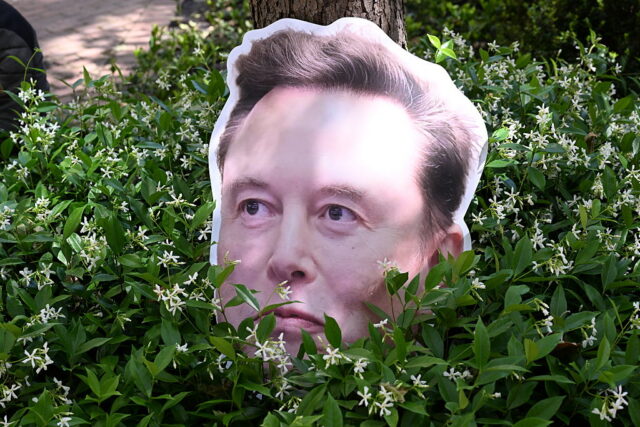
When Brockman reiterated his proposal to abandon all legal claims, Musk responded with what legal observers characterize as a threatening and inflammatory statement that has now become central to the trial proceedings. "By the end of this week, you and Sam will be the most hated men in America," Musk allegedly wrote to Brockman. "If you insist, so it will be." This communication has raised serious questions about Musk's motives for pursuing the OpenAI lawsuit and whether his litigation strategy may be driven by personal animus rather than legitimate corporate concerns.
The court has apparently taken these messages seriously, indicating that it may permit Brockman to testify regarding the pre-trial communications as evidence relevant to understanding Musk's true motivations for initiating and pursuing the lawsuit. Legal experts suggest that allowing such testimony could significantly damage Musk's credibility with the jury and cast doubt on the validity of his claims about OpenAI's alleged mission drift. The introduction of threatening language into the trial record transforms the case from a purely corporate dispute into a matter involving questions of character, intent, and accountability.
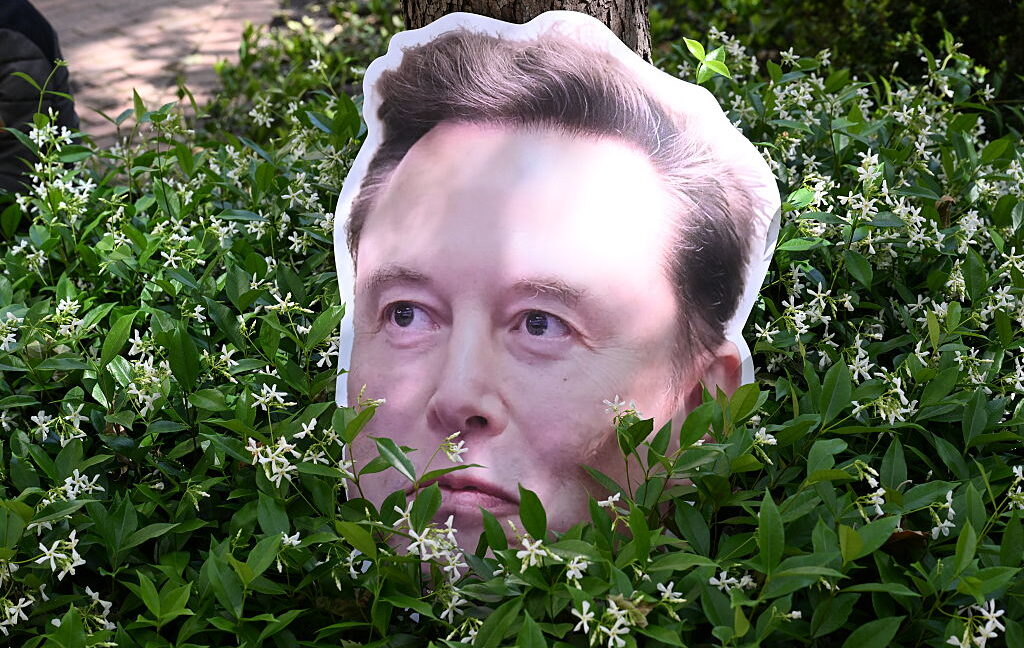
The nonprofit AI mission allegations that form the foundation of Musk's lawsuit assert that OpenAI has progressively abandoned its original commitment to developing artificial intelligence as a public benefit. Instead, according to the litigation, the organization has increasingly focused on profit-maximization and commercial exploitation of AI technology. This transformation, the suit contends, represents a fundamental betrayal of the founding principles that Musk helped establish when he co-founded OpenAI in 2015.
The timing of Musk's settlement overture, occurring just days before trial commencement, suggests that both sides were reassessing their positions and considering whether the dispute could be resolved through negotiation rather than adjudication. Settlement attempts are not uncommon in major commercial litigation, as they allow parties to avoid the uncertainty and expense of trial. However, the aggressive and threatening tone of Musk's response to Brockman's settlement proposal has transformed what might have been routine pre-trial negotiations into admissible evidence that could substantially influence the jury's perception of the case.

The broader context of this litigation involves fundamental questions about AI governance, corporate accountability, and the proper role of artificial intelligence development in society. Musk has long positioned himself as a advocate for responsible AI development, having also founded Neuralink and made numerous public statements about AI safety concerns. His legal challenge to OpenAI appears designed to hold the organization accountable to what he characterizes as broken promises about maintaining a nonprofit structure dedicated to advancing AI for humanity.
OpenAI's transformation over the past several years has indeed been substantial, with the organization establishing for-profit subsidiary structures and developing increasingly sophisticated commercial products. The ChatGPT platform, which achieved unprecedented user adoption rates, has become a flagship commercial product generating significant revenue. These developments form the factual basis for Musk's allegations that the organization has abandoned its original nonprofit mission in favor of profit-driven objectives.
The introduction of Musk's threatening messages into the trial record represents a critical juncture in the litigation. If the court permits Brockman to testify about the communications, jurors will have direct evidence of statements that could be characterized as either passionate advocacy for his position or inappropriate intimidation tactics. The specific language Musk employed—threatening to make Altman and Brockman "the most hated men in America"—suggests an intent to apply external pressure beyond the confines of the courtroom, which legal professionals suggest could be perceived as improper conduct.
The settlement negotiation attempt and subsequent threatening message also raise questions about Musk's negotiating approach and whether his litigation strategy is fundamentally sound. By rejecting Brockman's reasonable proposal to drop all claims and instead issuing threats, Musk may have eliminated an opportunity to achieve a negotiated resolution while simultaneously providing the opposing party with evidence that could undermine his case. This tactical misstep, if it constitutes one, will likely be analyzed extensively by legal commentators as the trial proceeds.
As the trial continues, the OpenAI case will likely serve as a bellwether for how courts address disputes involving technology companies, nonprofit status, and questions of corporate mission alignment. The outcome could establish important precedents regarding the enforceability of nonprofit missions and the extent to which founders can challenge organizational changes they believe constitute betrayals of founding principles. Beyond the immediate parties involved, technology industry observers, AI policy experts, and corporate governance specialists are monitoring the case closely for insights into how such disputes will be adjudicated in the future.
The contrast between Musk's public pronouncements about the importance of beneficial AI development and his aggressive litigation tactics, as evidenced by his threatening messages to OpenAI leadership, creates a compelling narrative that will likely be central to how the jury evaluates the case. Whether jurors view his conduct as appropriate passion for a legitimate cause or inappropriate intimidation may ultimately determine the outcome of this significant technology industry litigation.
Source: Ars Technica


