
NASA's Crew-13 Embraces Lucky Number for ISS Mission

NASA assigns first crew-13 mission since Apollo 13. Jessica Watkins, Luke Delaney, Joshua Kutryk, and Sergey Teteryatnikov launch to ISS in SpaceX Dragon.
In a bold move that defies superstition, NASA has officially assigned its inaugural Crew-13 mission to launch toward the International Space Station, marking a significant milestone more than five decades after the famous Apollo 13 incident that nearly ended in tragedy. The decision to embrace the number 13 represents a dramatic shift in how space agencies approach mission planning and demonstrates the confidence modern spaceflight programs have in their safety protocols and engineering excellence.
The historic crew composition includes Jessica Watkins and Luke Delaney from NASA, Joshua Kutryk representing the Canadian Space Agency, and Roscosmos cosmonaut Sergey Teteryatnikov. These four accomplished astronauts and cosmonauts will embark on their journey to the International Space Station aboard a SpaceX Dragon spacecraft, with launch scheduled for mid-September. This international partnership exemplifies the collaborative spirit that has defined modern space exploration and continues to advance humanity's presence in low Earth orbit.
The mission marks the 13th crew rotation conducted under the commercial crew program partnership between NASA and SpaceX, a collaborative initiative that has revolutionized how astronauts reach orbital destinations. During their approximately five-month tenure aboard the station, crew members will serve as integral components of both Expedition 75 and Expedition 76, contributing their expertise to ongoing operations and research initiatives. The duration of their mission allows for comprehensive handover procedures and ensures continuity in the station's complex operations.
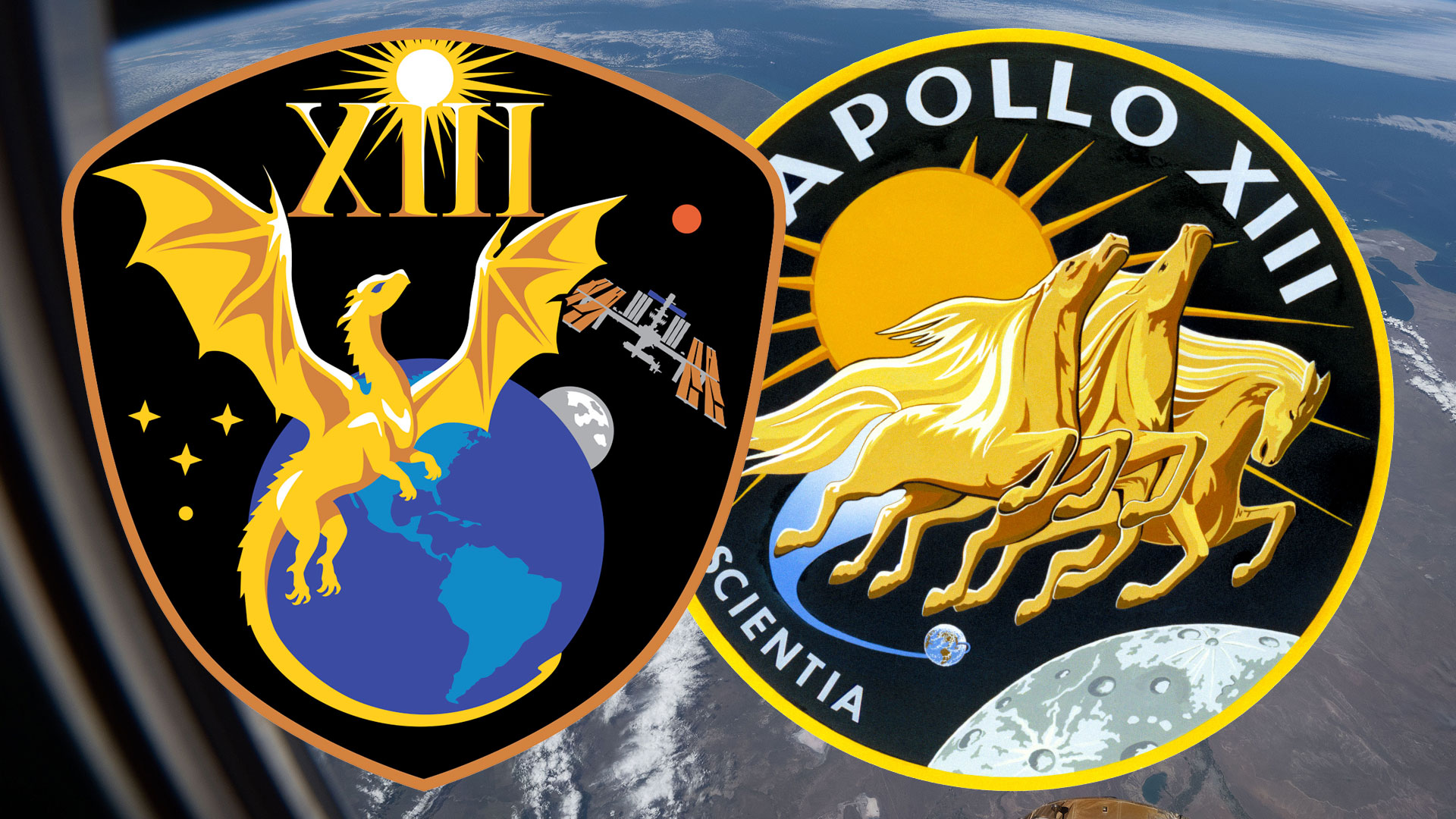
According to NASA's official mission announcement, this SpaceX Dragon spacecraft mission carries profound significance for the future of human space exploration. "This flight is the 13th crew rotation with SpaceX," the agency confirmed in its announcement. "The crew will conduct scientific investigations and technology demonstrations to help prepare humans for future exploration missions to the moon and Mars, and benefit people on Earth." These objectives underscore the practical importance of maintaining continuous human presence in orbit while advancing the technological capabilities necessary for ambitious deep-space missions.
The decision to name this mission Crew-13 carries symbolic weight that extends beyond mere numerical sequencing. When Apollo 13 encountered its critical malfunction 56 years ago—an oxygen tank explosion that threatened the lives of astronauts Jim Lovell, Jack Swigert, and Fred Haise—the number 13 became forever associated with space disaster in popular culture. However, the safe return of that mission, accomplished through remarkable problem-solving and teamwork, also demonstrated human resilience and adaptability in the face of extraordinary challenges. Naming the current mission Crew-13 represents a reclamation of the number, transforming it from a symbol of near-catastrophe into one of human triumph and scientific progress.
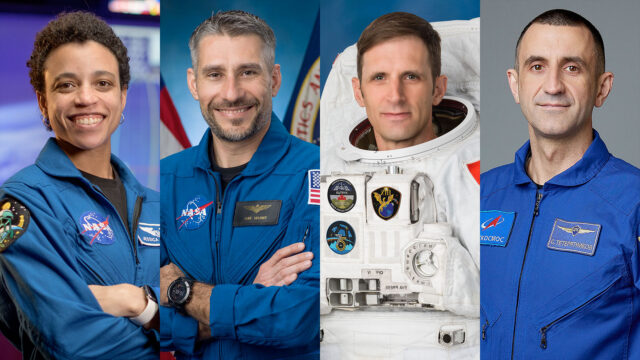
Modern commercial spaceflight has fundamentally transformed the landscape of human space exploration and access to orbit. SpaceX's Dragon spacecraft has become the primary vehicle for transporting NASA astronauts to and from the International Space Station, replacing the Space Shuttle after its retirement and eliminating American reliance on Russian Soyuz vehicles for crew transport. This achievement represents one of the most significant technological accomplishments of the twenty-first century and has opened new possibilities for sustained human operations in space.
The international composition of Crew-13 reflects the cooperative nature of modern space operations, where nations with sometimes competing interests unite around shared scientific objectives. The inclusion of Canadian Space Agency representation through Joshua Kutryk, along with Roscosmos cosmonaut Sergey Teteryatnikov, demonstrates that despite geopolitical tensions on Earth, the collaborative nature of the International Space Station program continues to foster meaningful scientific cooperation. This partnership has proven remarkably resilient and continues to advance knowledge that benefits all humanity.
During their time aboard the orbiting laboratory, the Crew-13 astronauts and cosmonaut will engage in diverse scientific endeavors spanning fields from biology and materials science to Earth observation and physics. The investigations conducted aboard the station contribute directly to understanding how microgravity affects various biological and chemical processes, knowledge that informs pharmaceutical development, manufacturing processes, and fundamental scientific theory. Additionally, technology demonstrations performed in the unique environment of orbit provide invaluable data for future spacecraft and life support systems that will support lunar landings and eventual Martian exploration missions.

The transition between expedition crews represents a carefully choreographed procedure that ensures continuous operational capability and scientific productivity aboard the station. When Crew-13 arrives, they will overlap with the outgoing crew for approximately one week, allowing for comprehensive knowledge transfer, system briefings, and emergency procedure reviews. This handover period proves critical for maintaining the safety protocols and operational continuity that have made the International Space Station one of humanity's greatest collaborative achievements spanning more than two decades of continuous habitation.
Looking forward, the Crew-13 mission represents another important stepping stone in the pathway toward lunar return missions and eventual human exploration of Mars. The research conducted aboard the station, combined with the operational experience gained by crews, directly informs the design and protocols for long-duration missions to more distant destinations. By successfully executing missions to the International Space Station, NASA and its partners build the institutional knowledge and technological confidence necessary for the more ambitious exploration objectives that lie ahead in the coming decades.
The embrace of the number 13 by NASA and SpaceX sends a powerful message about the maturity and confidence of modern spaceflight programs. Rather than allowing superstition to dictate operational decisions, space agencies grounded in scientific method and engineering rigor demonstrate that success depends on sound design, rigorous testing, comprehensive training, and meticulous attention to safety protocols. The crew of Crew-13 enters their mission fully aware of the symbolic dimensions of their designation, yet focused entirely on executing their scientific objectives and advancing human knowledge and capability in space.
As the Crew-13 mission approaches its mid-September launch date, the space community looks forward to another successful demonstration of the commercial crew program and continued advancement of human spaceflight capabilities. The courage and dedication of Jessica Watkins, Luke Delaney, Joshua Kutryk, and Sergey Teteryatnikov embody the spirit of exploration and international cooperation that has defined the modern space age. Their mission will contribute meaningfully to scientific progress while inspiring future generations to pursue careers in science, technology, engineering, and mathematics.
Source: Ars Technica


