
Nature vs Nurture: Genes or Environment?

New research reveals how much our personalities are shaped by genetics versus upbringing. Explore the science behind nature versus nurture.
For decades, scientists and psychologists have grappled with one of humanity's most fundamental questions: are we products of our genetic inheritance, or are we shaped primarily by our environmental upbringing? Recent research is shedding new light on this age-old debate, revealing that the answer is far more nuanced and complex than previously believed. The interplay between nature and nurture continues to fascinate researchers worldwide as they uncover the intricate mechanisms that determine who we become.
One of the most groundbreaking studies in this field came from American psychologist Thomas Bouchard in 1979, who embarked on an ambitious quest to locate and study twins who had been separated at birth or in early infancy. His meticulous research uncovered a fascinating pattern: identical twins raised in completely different environments often displayed striking similarities in personality, behavior, and preferences. These findings challenged conventional wisdom and suggested that genetic factors played a more significant role in shaping personality than many experts had previously acknowledged.
Bouchard's most famous case involved twins named Jim Lewis and Jim Springer, who were separated just weeks after birth. When reunited decades later, the similarities between them were nothing short of remarkable. Both men had married women named Linda, named their sons James, worked in law enforcement, and even shared obscure hobbies and habits. Their story became emblematic of the power of genetic influence, suggesting that some aspects of our personality and life choices might be hardwired into our DNA from the moment of conception.
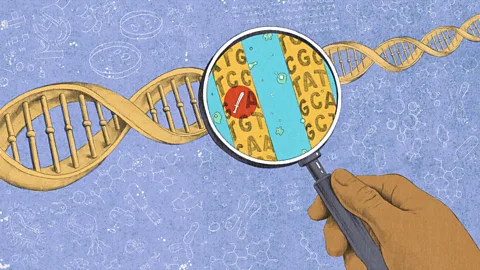
However, the picture becomes considerably more complicated when we examine the full spectrum of research on personality development. Modern geneticists and psychologists have moved away from the simplistic notion that we are either purely products of our genes or purely shaped by our environment. Instead, contemporary science emphasizes the dynamic relationship between these two forces, recognizing that they constantly interact and influence one another in ways that are still not fully understood.
Twin studies have become a cornerstone of behavioral genetics research, providing scientists with unique opportunities to disentangle genetic and environmental influences. By comparing the similarities and differences between identical twins, who share 100% of their DNA, and fraternal twins, who share approximately 50% of their DNA, researchers can estimate the heritability of various traits. These studies have consistently shown that heritability estimates vary dramatically depending on the specific trait being measured, ranging from highly heritable characteristics like height to more moderately heritable traits like intelligence and personality.
When it comes to personality traits themselves, research suggests that genetic factors account for somewhere between 40-50% of the variation observed among individuals. This means that while our genes provide a foundation or predisposition, our environments, experiences, relationships, and personal choices account for the remaining variation. This balanced perspective acknowledges both the significance of genetic influence and the profound impact of our lived experiences and social contexts on who we ultimately become.

One crucial insight from modern research is the concept of gene-environment interaction, or GxE, which demonstrates that genes and environment don't operate in isolation from one another. A person might inherit a genetic predisposition toward introversion, but if they grow up in a social, stimulating environment that encourages interaction, they may develop more extroverted behaviors than their genetic blueprint might suggest. Conversely, someone with genetic potential for athletic achievement might never develop those abilities if they lack access to training, opportunity, or encouragement.
Environmental factors that shape personality development are remarkably diverse and include parental influence, socioeconomic status, educational opportunities, cultural background, peer relationships, significant life experiences, and even seemingly random events. A person's birth order, family dynamics, traumatic experiences, and mentoring relationships can all profoundly influence personality development. Additionally, epigenetics has revealed that environmental factors can actually affect how genes are expressed, turning certain genes on or off without altering the underlying DNA sequence itself.
Longitudinal studies that track individuals over many years have provided compelling evidence for both genetic stability and environmental plasticity in personality. Some traits, like extraversion and neuroticism, show considerable stability over time, suggesting a genetic component. Yet these same studies reveal that significant life experiences, therapeutic interventions, and conscious effort can produce meaningful changes in personality, demonstrating that we are not imprisoned by our genetic inheritance.
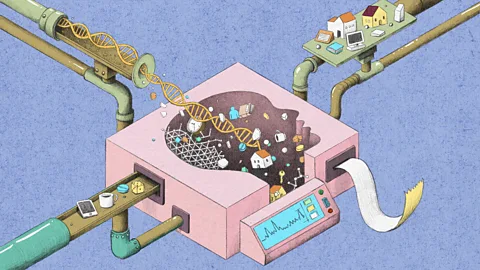
The emerging scientific consensus is that nature versus nurture presents a false dichotomy. Rather than asking whether genes or environment matters more, modern science recognizes that the question should be how genes and environment interact to shape personality, behavior, and human potential. This more sophisticated understanding acknowledges that genes provide the raw material and initial tendencies, while environments provide the context, opportunities, and pressures that allow those genetic potentials to be realized or modified.
Understanding the complex interplay between genetics and environment has practical implications for education, mental health treatment, and personal development. If certain traits have genetic foundations, interventions can be tailored to work with rather than against these predispositions. Simultaneously, recognizing the powerful role of environment means that improvements in social conditions, educational access, and support systems can have meaningful impacts on human flourishing and potential.
As research continues to advance, particularly through developments in genomics, neuroscience, and behavioral studies, our understanding of human personality will undoubtedly become even more refined. What remains clear is that the question of who we are cannot be answered by appealing to either nature or nurture alone. Instead, we are the products of an intricate, lifelong dance between our biological inheritance and our environmental experiences, constantly reshaping ourselves through our choices and circumstances.
Source: BBC News


